Peace negotiations between Ukraine and Russia, facilitated by United States mediation, are scheduled to resume in November after an extended hiatus. The renewed diplomatic push coincides with an unofficial U.S. peace proposal and preparations for a three-way summit in China later in November, where U.S. President Donald Trump, Russian President Vladimir Putin, and Chinese President Xi Jinping have agreed to convene to discuss international challenges.
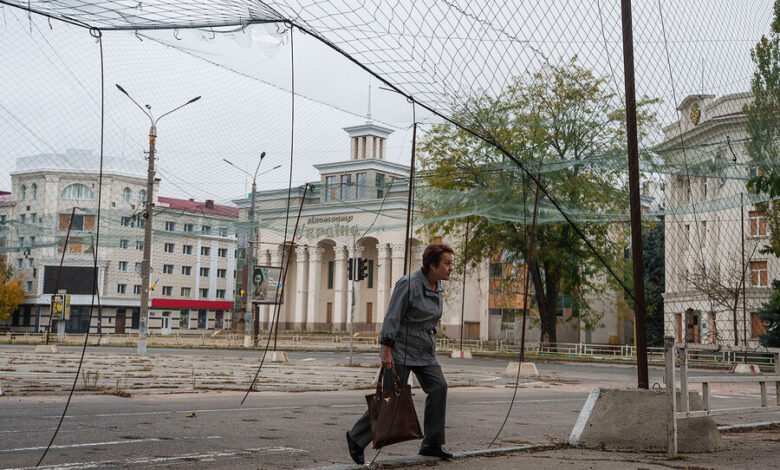
On the humanitarian front, U.S. First Lady Melania Trump has helped secure a local ceasefire in Oleshky, a Russian-occupied Dnieper River town severely impacted by months of drone and mine warfare. The agreement allows residents to evacuate to either Ukrainian- or Russian-held territory based on personal choice, potentially serving as a model for other besieged areas.
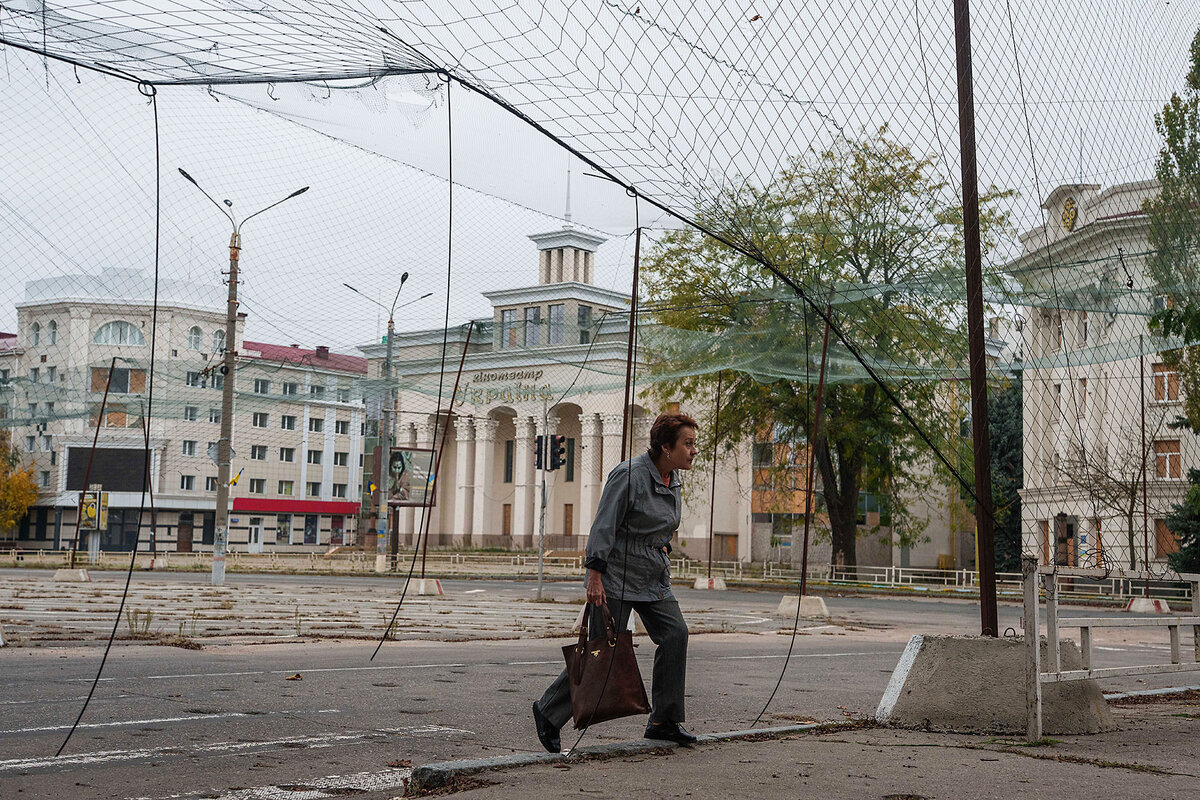
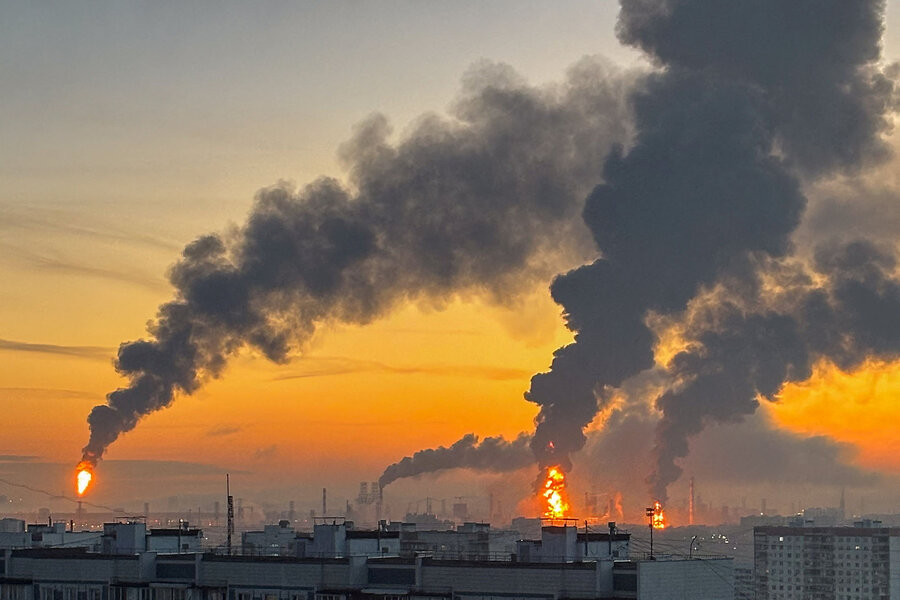
Despite these diplomatic developments, the nearly five-year-old conflict continues to intensify on the battlefield. Civil casualties occur daily within Russia from Ukrainian drone attacks directed at military facilities, airfields, and oil refineries. Meanwhile, Russia maintains continuous ballistic missile and drone bombardments against Ukrainian infrastructure, including recent strikes targeting vital bridges across the Dnieper River linking the nation’s eastern and western regions.
Parallel to the military escalation, President Trump has worked to shift U.S. policy toward drawing Russia out of a multi-year sanctions-enforced diplomatic freeze and normalizing bilateral ties. Discussions between Kremlin emissary Kirill Dmitriev and U.S. officials have explored economic incentives, including comprehensive sanctions relief and the restoration of Russian gas deliveries to Europe through a repaired Nord Stream pipeline involving a U.S. stakeholder.
The unconfirmed U.S. peace blueprint reportedly features robust American security guarantees for postwar Ukraine, eligibility for European Union membership while omitting NATO, and a demilitarized zone intended to encourage Kyiv to pull back from the approximately 15 percent of the Donbas region it still controls. Reconstruction would be supported by an investment package funded through Russian assets frozen in Western financial institutions.
However, analysts in both Russia and Ukraine indicate that the proposed terms remain unpalatable to both capitals. Dmitry Suslov, an expert at the Higher School of Economics in Moscow, stated that while Washington has offered various inducements, certain conditions are rejected by Russia while others are opposed by European nations that heavily influence Kyiv’s position. Suslov noted that Moscow views the economic incentives as an attempt to elicit territorial concessions, yet remains unlikely to drop its demand for control over the entire Donbas. In contrast, Ukrainian President Volodymyr Zelenskyy has reaffirmed in recent interviews that Kyiv rejects any withdrawal from the Donbas, rules out neutral status, and opposes restrictions on its armed forces.
Adjusting from prior stances, top Kremlin aide Yury Ushakov announced that Russia now backs European involvement in upcoming peace discussions, conceding that past attempts to bypass Europe in favor of direct talks with Washington failed because the U.S. could not unilaterally impose decisions on Kyiv and Brussels. Suslov supported this view, warning that European hesitation and internal divisions regarding negotiation terms or representation will complicate any potential settlement.
The upcoming summit in China has drawn comparisons to historic World War II gatherings such as Yalta, but Russian analysts urge modest expectations. Alexei Mukhin, director of the Moscow-based Center for Political Information, indicated that the leaders are more likely to address broader global concerns—such as nuclear security, climate change, and artificial intelligence—rather than achieve a definitive resolution to the war in Ukraine.