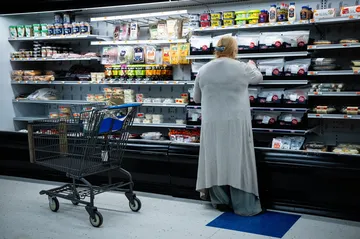
The U.S. economic expansion is currently in its seventh year with no recession in sight, supported by historically low unemployment, low layoff rates, and robust consumer spending on travel, live entertainment, and dining out. By traditional macroeconomic measures, the economy is growing at its fastest pace in a year. Yet, polling and voter sentiment reflect widespread economic anxiety, with many citizens feeling the system is stacked against them ahead of the Nov. 3 midterm elections.
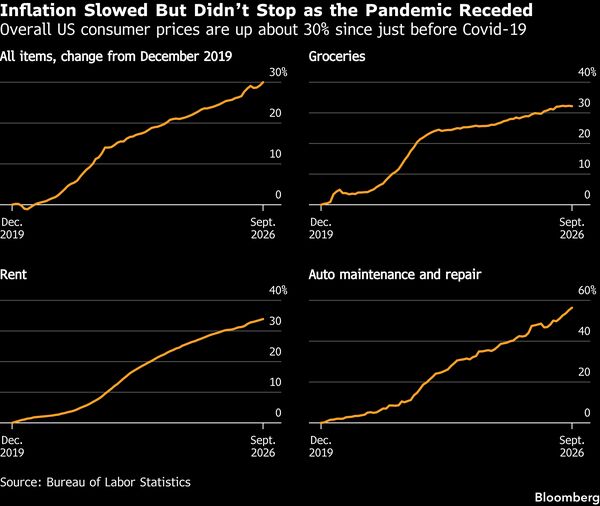
Inflation remains a central driver of this disconnect. Although the consumer price index rose 3.7% in September compared to a year earlier—down significantly from the pandemic-era peak of 9.1%—the cumulative effect of years of high inflation continues to strain household budgets. Overall consumer prices have climbed by about 30% since the end of 2019. Specific categories show even steeper increases: groceries are up 32%, dining out is nearly 40% higher, electricity costs have risen 43%, auto maintenance is up by more than half, and car insurance has jumped about 48%.
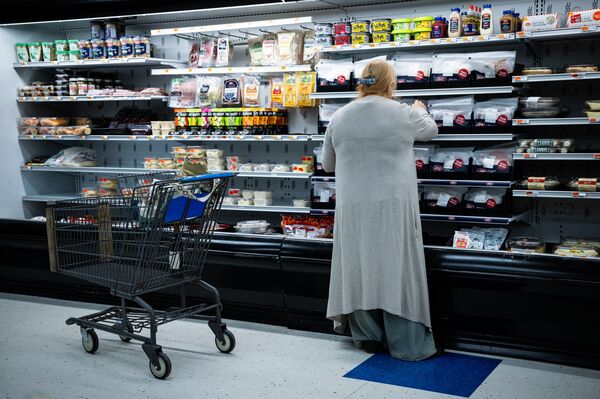
Economists attribute these persistent price pressures to a cascade of global supply shocks. In the decade before the pandemic, annual inflation averaged around 1.8%, but subsequent disruptions—including post-pandemic supply chain fractures, Russia’s invasion of Ukraine choking off fertilizer, wheat, and oil shipments, and shifting trade policies—have accelerated price gains. More recently, artificial intelligence infrastructure buildouts have driven software and component costs higher, while the Iran war has intensified energy prices and borrowing costs. “Supply shocks have come more frequently, hit harder and lasted longer,” Federal Reserve Bank of Chicago President Austan Goolsbee said in a speech in London in September. In response, the Federal Reserve raised interest rates in September for the first time since 2023, leaving them unchanged at its October meeting.
On the income front, average hourly earnings have increased by roughly a third since late 2019, but inflation-adjusted pay has barely kept pace. Real wages declined from a year earlier for six consecutive months as of September, forcing many families to reduce or eliminate savings. While non-wage income sources—such as gig work, record stock market performance, higher home values, and 2026 tax refunds—have aided some households, wages remain the primary financial foundation for most Americans before retirement.
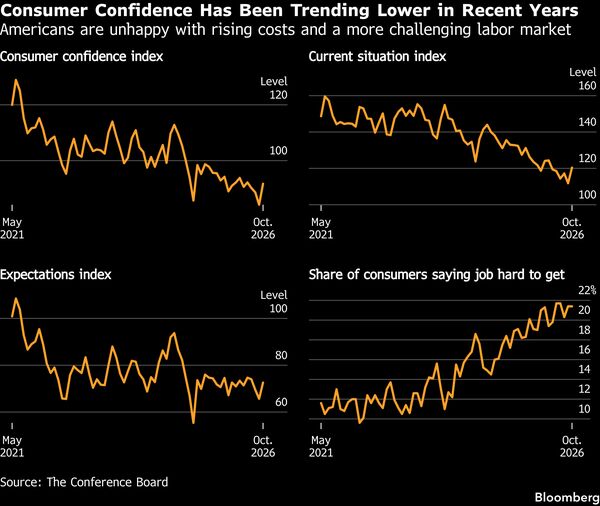
The labor market presents a similar paradox. The unemployment rate edged up to 4.2% in September, remaining historically low, while healthcare, construction, and manufacturing continue to add jobs. The labor force participation rate also rose in September, indicating more individuals are actively seeking work. However, employers are largely holding off on both major layoffs and significant new hiring, creating a sluggish employment landscape. Glassdoor’s employee confidence index dropped in September to its lowest level in the survey’s 10-year history, and entry-level college graduates face acute hiring difficulties alongside a growing population of long-term unemployed.
Disparities in asset ownership further divide the population. Homeowners who purchased property before the pandemic and investors with portfolios tied to the S&P 500—which has more than doubled since late 2019—have fared well. Conversely, prospective homebuyers face a median existing-home sales price up by about half since 2019, combined with 30-year fixed mortgage rates climbing past 7%. Excluding taxes and insurance, monthly housing payments are roughly double pre-pandemic levels.
Meanwhile, the rapid growth of artificial intelligence investment has introduced new anxieties. While capital spending on data centers is projected to reach $5.5 trillion cumulatively by 2030 according to JPMorgan Chase & Co., many residents worry about potential job displacement and local land use. A June /Ipsos survey found that 54% of Democrats and 37% of Republicans oppose the construction of new data centers in the U.S. “People are very concerned, either directly or indirectly, around what this is going to mean for their jobs,” said John Leer, chief economist at Morning Consult. “It’s another way in which the rules and the structure of the economy seem to be changing.”
Consumer sentiment has historically correlated with political alignment, often surging when a respondent’s party holds the White House. However, measures of economic sentiment have declined across political affiliations, geographic regions, and income brackets since the start of 2026, pointing to broad-based economic unease.