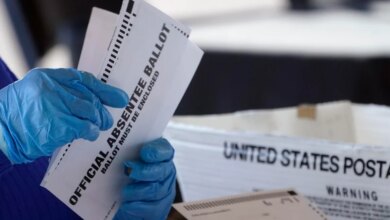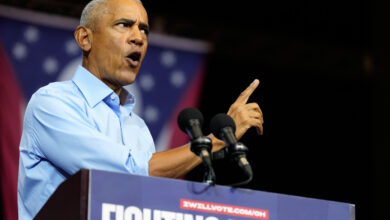
As voters prepare to decide control of Congress and key state offices in the upcoming midterm elections, a curious trend has emerged among the electorate: Democratic voters are turning out in-person for early voting in massive numbers, shifting away from their post-pandemic reliance on mail-in ballots. This abrupt change has narrowed traditional Republican early voting leads in battleground states like Florida and Texas. The shift reflects both widespread voter anxiety and the ongoing fallout from presidential efforts to undermine mail-in voting, setting the stage for a high-stakes electoral showdown.
The extraordinary political environment has placed unprecedented pressure on democratic norms, prompting extensive analysis of voting security and election integrity. To describe the resilience of the nation’s electoral infrastructure, Benjy Sarlin, editorial director of politics, offered a stark metaphor during a podcast appearance last month. Comparing the political threat to a dangerous intruder, Sarlin emphasized that the home itself is remarkably well-defended. While acknowledging that threats to election administration are real, the system benefits from reinforced legal structures, robust state-level authority, and active intervention by the courts.

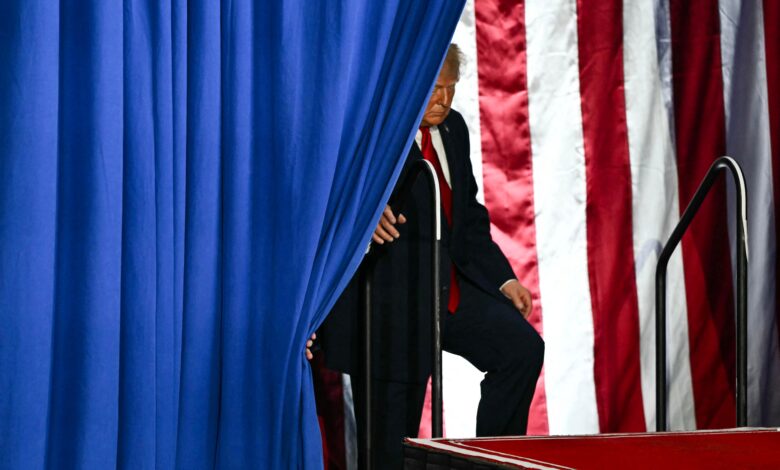
Legal defenses have repeatedly blocked attempts to disrupt voting procedures. When the administration attempted to implement last-minute rules that could have curtailed mail-in voting, courts intervened, and the Supreme Court declined to let the regulations take effect for this contest. The Constitution explicitly assigns the regulation and administration of elections to individual states and Congress, creating a jurisdictional barrier that federal overreach has struggled to clear. Similarly, federal lawsuits demanding unprecedented access to state voter rolls have faced swift rebuffs, with courts dismissing 27 out of 30 filed cases, though many of those dismissals remain under appeal.
Friction has also centered on ballot segregation and voter eligibility disputes. Earlier this month, the Department of Justice demanded that California officials set aside approximately 20,000 ballots belonging to registered voters alleged to be likely noncitizens. In a subsequent legal battle, a federal judge strongly ruled against the administration, characterizing the ballot segregation order as an action that would wreak havoc and disrupt the election. While the administration has appealed that ruling, state officials and voting rights groups remain braced for further procedural challenges.

Additional concerns involve potential attempts to contest outcomes or deploy federal intervention. The administration recently moved to preemptively contest results in Alaska’s Senate race over voter confusion risks involving two candidates named Dan Sullivan—the incumbent Republican and an independent newcomer. Reports indicate the independent candidate’s entry was encouraged to split the vote, raising questions about whether partisan actors might attempt to block certification if Democrat Mary Peltola wins. Similar flashpoints include the Wisconsin gubernatorial race, where Republican Tom Tiffany has promoted false claims about the 2020 election, and Nevada’s secretary of state contest, which features an outspoken election denier.
Despite these vulnerabilities, experts note that election disruption faces formidable legal and political hurdles. The procedures for challenging and certifying results are highly regimented, and any bad-faith attempts to interfere with vote counting would trigger immediate litigation and severe public backlash. Observers point out that even within conservative circles, past election denialism proved politically costly, helping mobilize opposing turnout in key contests like Georgia’s Senate races. As early turnout numbers demonstrate heightened voter vigilance, the established framework of legal oversight and public engagement continues to serve as a vital check against administrative interference.