Senior members of the Trump Administration have increasingly taken to the campaign trail to rally support for Republican candidates ahead of the upcoming congressional midterms, sparking a wave of formal legal complaints. Ethics watchdogs and advocacy organizations argue that high-ranking officials have repeatedly breached the 87-year-old Hatch Act, which restricts federal executive branch employees from using their official authority or public resources to influence elections.
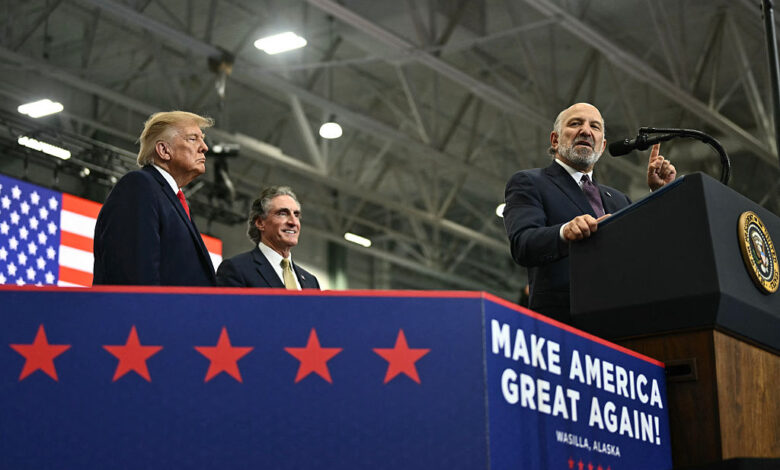
In recent months, Cabinet secretaries and top White House aides have appeared at campaign events across the country. Commerce Secretary Howard Lutnick, Federal Communications Commission Chair Brendan Carr, and Interior Secretary Doug Burgum joined President Donald Trump at an October rally in Wasilla, Alaska, to support Republican Sen. Dan Sullivan in his tight reelection contest against Democrat Mary Peltola. In Wisconsin, Defense Secretary Pete Hegseth spoke alongside GOP Rep. Derrick Van Orden during a Pentagon-sponsored tour highlighting domestic manufacturing. Vice President JD Vance and Burgum campaigned together in Topeka, Kansas, while Secretary of State Marco Rubio briefly took the stage during a Texas rally at the President’s urging. Transportation Secretary Sean Duffy also endorsed Michigan Senate candidate Mike Rogers in August.
The administration’s aggressive involvement in the midterms has drawn a record volume of scrutiny. Kedric Payne, head of ethics at the Campaign Legal Center, noted that the scale of the complaints is unprecedented for an election cycle. Legal and press advocacy groups, including the Democracy Defenders Fund and Reporters Without Borders, have filed multiple formal petitions with the Office of Special Counsel, arguing that officials have crossed legal and ethical boundaries by mixing official duties with political messaging, including being introduced at rallies by their cabinet titles.
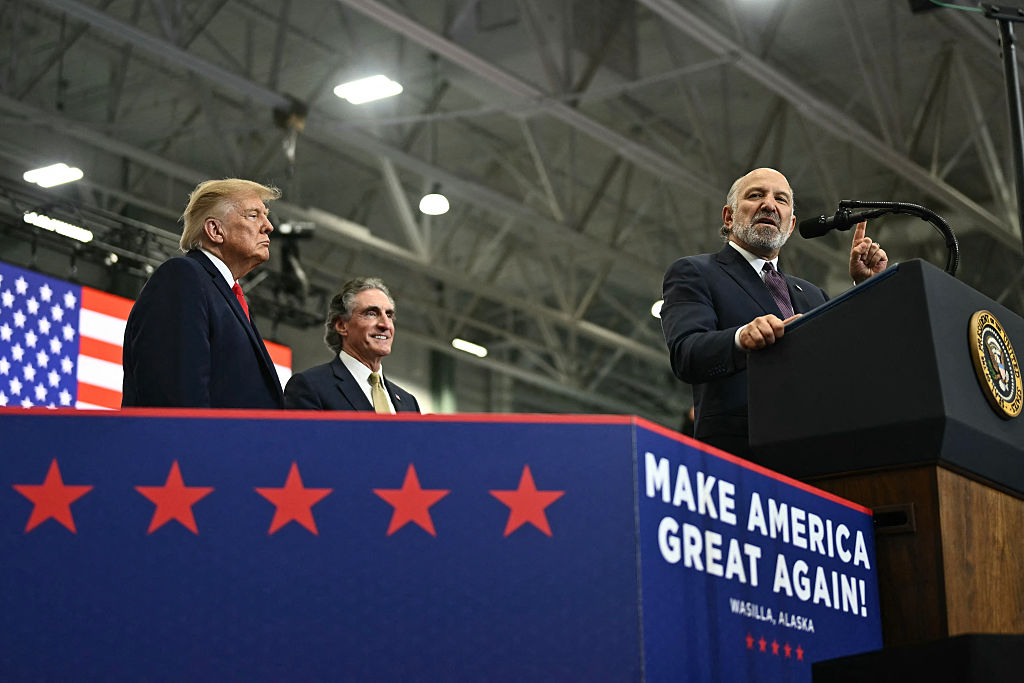
Additional complaints target media appearances and digital communications. Government watchdog CREW filed claims alleging that White House Deputy Chief of Staff Stephen Miller, Health Secretary Robert F. Kennedy Jr., and FBI Director Kash Patel violated the statute through television interviews on where they criticized opposing Democratic candidates and promoted a partisan agenda. Meanwhile, watchdogs have accused administration officials of misusing federal funds for taxpayer-financed advertising promoting political rhetoric that could sway voters.
The White House has defended the officials’ actions, maintaining that they participated in political events strictly in their personal capacities and that their schedules were cleared by ethics lawyers. White House spokeswoman Lauren Bis stated that it is well established that senior officials are permitted to discuss current policies and related candidates to advance the administration’s agenda. Regarding promotional advertisements, President Trump defended the messaging in September as an effort to promote the national spirit rather than specific political figures.
The Hatch Act, enacted by Congress in 1939, is enforced by the Office of Special Counsel to ensure nonpartisan administration of federal programs and protect employees from workplace political coercion. When violations are substantiated for Cabinet-level or senior presidential appointees, findings are referred directly to the President for disciplinary action. Legal experts point out that accountability remains limited because enforcement ultimately depends on presidential action, and past violations under the Trump administration rarely resulted in formal penalties due to dismissals or departures from office before investigations concluded.