As the 2026 midterm elections approach their final hours on Tuesday, more than 52 million Americans have already cast early ballots, according to tracking data from the University of Florida. Candidates nationwide are making their closing arguments in high-stakes Senate and House contests, while federal and state officials grapple with last-minute legal battles over voting rules and ballot access.
In Washington, House Democratic Leader Hakeem Jeffries expressed strong confidence during a weekend campaign stop in Virginia Beach, telling reporters that Democrats are poised to recapture control of the chamber. Meanwhile, Senate races remain fiercely contested across the map, with political heavyweights weighing in during the closing sprint. Former President Barack Obama endorsed Democratic nominee Charles Booker in Kentucky on Sunday in his race against Republican Rep. Andy Barr to succeed retiring GOP Senator Mitch McConnell. In Texas, Senator Ted Cruz issued a stark warning to conservative voters on his podcast, cautioning that massive early Democratic turnout could lead to a massive defeat across multiple Senate battlegrounds, including his home state.
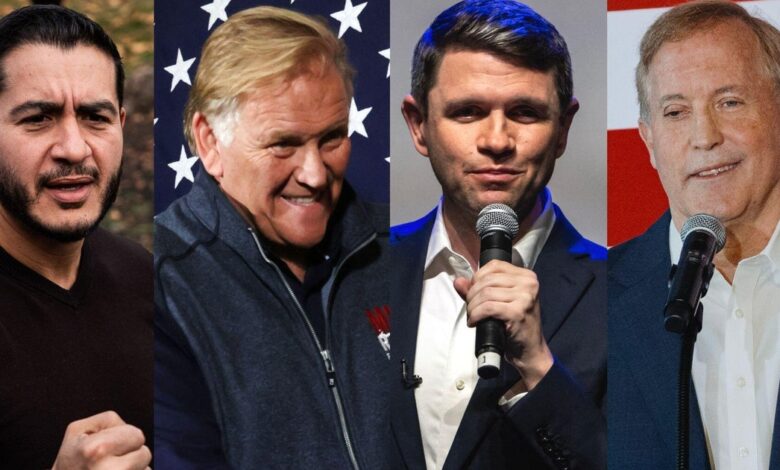
Controversies have also flared in several state contests. In Michigan, Democratic Senate candidate Abdul El-Sayed navigated an intra-party dispute involving his former primary opponent, Rep. Haley Stevens. Stevens recently urged El-Sayed to condemn an outside political ad linking military aid to Israel to rising grocery prices and to apologize for previous comments. El-Sayed denied involvement with the external ad while pushing to refocus attention on his race against Republican opponent Mike Rogers.
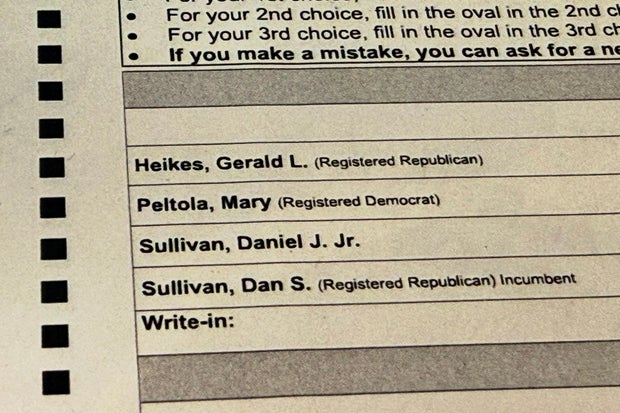
In Alaska, a bizarre ballot controversy involving independent Senate candidate Daniel J. Sullivan—who shares a name with the incumbent Republican senator—has sparked both a criminal investigation and federal lawsuits. The Justice Department sought court orders to segregate ballots listing the second Sullivan over voter-confusion concerns, though state officials and federal appeals courts have pushed back against federal intervention. Alaska’s attorney general filed a motion to dismiss the DOJ’s lawsuit, calling it meritless.
Meanwhile, federal courts and election offices are managing separate disputes over voter rolls and election procedures. A federal judge in California ordered the Justice Department to halt demands that state officials separate mail ballots or threaten workers with criminal prosecution. The 9th U.S. Circuit Court of Appeals also rejected a DOJ request to set aside disputed ballots.
With early voting numbers climbing toward record levels and political figures staging final rallies and telerallies across multiple time zones, both parties are urging base and undecided voters to the polls before Tuesday night’s decisive results.