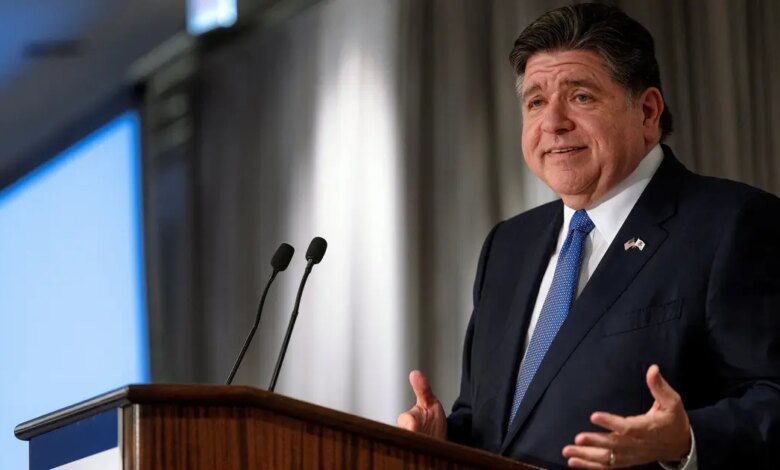
A growing number of national political figures are displaying notably slimmer physiques, yet few public leaders have addressed the broader policy implications surrounding the new class of medications designed to combat obesity, known as GLP-1 receptor agonists. Among prominent political figures, Illinois Governor JB Pritzker stands out for discussing his personal treatment openly while enacting policy shifts to broaden state health plan coverage for the medications to include weight loss.
Pritzker was diagnosed with Type 2 diabetes in 2024 and initially began taking insulin. A physician added a GLP-1 medication to his regimen several months afterward. The governor reports losing approximately 80 pounds since starting the treatment and no longer requires insulin. Speaking during a recent interview, Pritzker described experiencing improved energy levels, engaging in regular walks, and stepping off a lifelong cycle of struggling with his weight.
Reflecting on the broader societal impact, Pritzker pointed to the wide-ranging consequences of widespread obesity. When considering the personal and financial burdens associated with the condition, he suggested that public health systems may have encountered a major breakthrough. As market prices decline, he argued, treatments should be made accessible to the broader population.
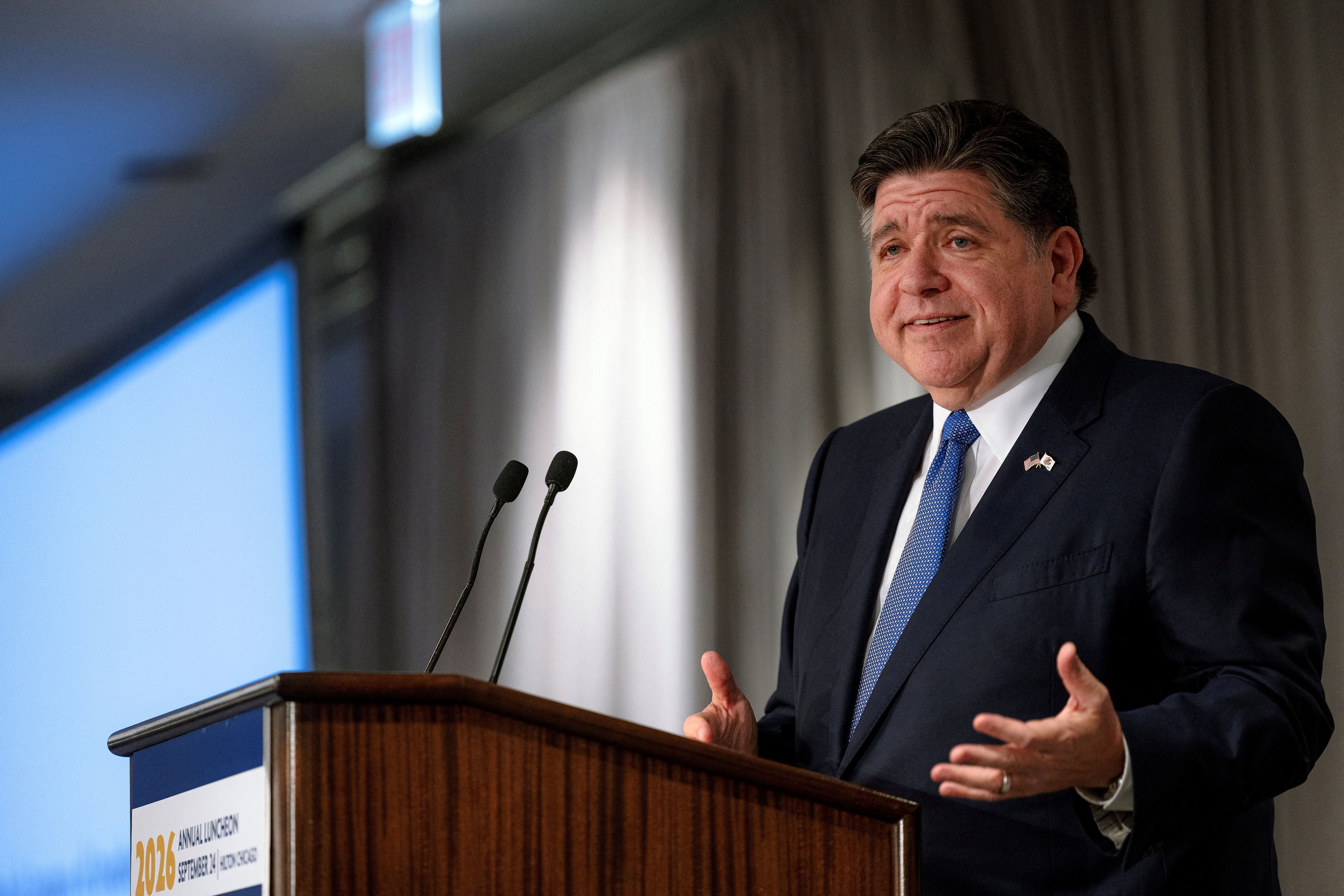
Under Pritzker’s administration, Illinois expanded state employee health plan coverage in 2024, extending access to GLP-1 medications beyond diabetes management to include weight-loss treatments. Approximately 32,000 Illinois state employees and their eligible family members currently utilize the drugs. The associated expenditure totals $149 million, an amount that the governor’s office reports accounts for 18% of the state’s total prescription drug budget. By comparison, 41% of the prescription budget is allocated to cover other brand-name specialty medications utilized by 6,500 employees.
GLP-1 medications intersect with central debates in United States healthcare policy, touching on public frustration regarding major pharmaceutical manufacturers and insurance providers, concerns over rising government expenditures, and an increasing focus on the societal toll of chronic diseases. While political figures such as President Donald Trump have pressured drug makers Eli Lilly and Novo Nordisk to reduce prices, the upcoming 2028 presidential campaign cycle will mark the first national race where these medications are established treatments rather than novel medical introductions.
Although Pritzker has not committed to a 2028 presidential run, he has avoided making sweeping political predictions or attempting to compel private sector employers to mandate coverage for the drugs. Observing that future political platforms will depend on financial outcomes, Pritzker noted that candidates could eventually campaign on the issue if long-term cost savings are definitively proven.