
The promise offered to passengers aboard the MV Odyssey was deceptively simple: a continuous, multi-year voyage around the globe designed to let travelers disconnect from world events. Marketed as an affordable option for retirees and digital nomads seeking a long-term escape from political tensions, the residential cruise ship set sail from Belfast, Northern Ireland, in October 2024. For a substantial upfront fee—such as $319,998 for a couple covering a presidential term—residents secured a floating home complete with dining, wellness programs, entertainment, and a rotating roster of international ports.
Operated by Florida-based Villa Vie Residences, the vessel itself had a varied history. Unlike ultra-luxury residential ships such as MS The World, where apartments command millions and residents dictate the itinerary, the Odyssey was a converted three-decade-old traditional cruise liner formerly known as the MS Braemar. Following pandemic-era port rejections and subsequent sale by Fred Olsen Cruises, the 642-foot ship was repurposed into an intimate residential community accommodating more than 200 passengers alongside 156 crew members, including a medical team.
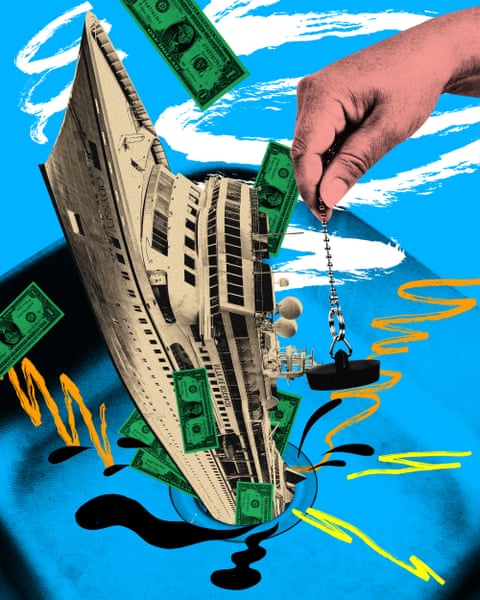
That lifestyle came to an abrupt halt when escalating geopolitical conflict in the Middle East severely disrupted global energy markets. Villa Vie Residences announced it had run out of operating capital as oil prices surged. According to the company, monthly fuel costs per cabin in parts of Asia escalated from $1,800 to as much as $8,000, placing the enterprise under unsustainable financial pressure. Despite implementing mitigation strategies such as reducing itinerary speeds and extending port stays, management stated that ongoing operating losses could no longer be absorbed.
The final hours aboard the ship unfolded swiftly. Passengers were given seven hours to pack their belongings before being transported by bus into the port city of Sihanoukville on the Gulf of Thailand. Travelers described scenes of shock, disbelief, and distress as their floating sanctuary dissolved. Prior to the final announcement, financial strain had already begun impacting daily life on board, with passengers reporting declining food quality, reduced shore excursions, and a noticeable shift in shipboard atmosphere. While some residents had previously chipped in personal funds while docked in Singapore to keep the vessel moving, and staff had appealed for passenger contributions to reach Bangkok, the measures proved insufficient.
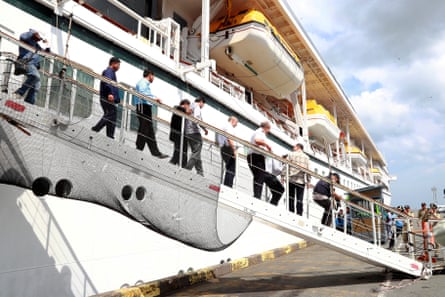
Reactions among the stranded travelers varied from frustration to philosophical acceptance. Some participants documented the deterioration of conditions and final announcements through video logs, noting that while warning signs were evident, the reality of the sudden termination remained jarring. Passengers criticized the operator for a lack of immediate logistical support upon disembarking in Cambodia, though the company later offered charter flight tickets to the United States alongside coordination efforts for temporary living arrangements and future restructuring alternatives over a 60-day window.
Industry analysts note that the collapse highlights the extreme financial volatility inherent in residential cruising. While traditional cruise tourism has experienced a historic post-pandemic boom, reaching an anticipated 37.2 million global passengers, residential ship models face immense economic hurdles due to high fuel consumption and fixed operating costs. Previous ventures, such as a planned three-year cruise by Miray Cruises starting at $30,000 per person annually, similarly collapsed prior to departure due to insurmountable budgetary math.
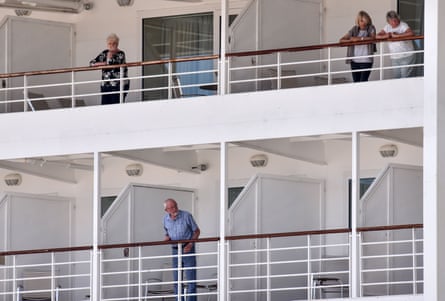
Mikael Petterson, who launched Villa Vie Residences in 2023, acknowledged the severe criticism facing management while maintaining that the venture would have succeeded absent the regional conflict. Meanwhile, stranded passengers in Cambodia have begun plotting their next steps, balancing disappointment with perspective. Reflecting on the abrupt conclusion of their multi-year adventure, travelers emphasized that despite the turbulent ending, the experience underscored the unpredictable nature of long-term travel and the value of pursuing personal ambitions.