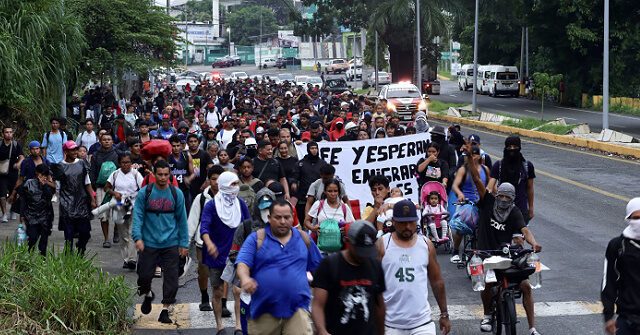
Vice President JD Vance on Friday pressed Americans to cast ballots for Republican candidates in Tuesday’s midterm elections, pointing to footage of migrants traveling through Mexico who expressed a preference for Democratic victories.
Sharing a post originally published by independent journalist Julio Rosas detailing a migrant caravan that departed southern Mexico in October, Vance argued that the election carried high stakes for national border security. In the video, interviewed migrants indicated they hoped Democratic gains in Congress might prompt a shift away from the immigration policies enacted under President Donald Trump.
“When Democrats get elected, the border gets flooded,” Vance wrote in a statement on X. “No one understands that better than the murderers, rapists, and drug runners south of our border. Vote Republican next Tuesday.”
Using the footage to frame the upcoming vote as a referendum on border enforcement, Vance warned that electing Democrats would encourage higher volumes of unauthorized border crossings. The departure of the recent caravan coincides with ongoing warnings from the Department of Homeland Security directed at travelers moving north through Mexico, cautioning that unauthorized entry into the United States remains barred.
Following earlier caravan movements in October, the Department of Homeland Security issued a statement declaring there was “absolutely ZERO chance” the group would gain entry, emphasizing that the administration would maintain strict border defenses.
Local coverage of the caravans leaving southern Mexico this month documented groups consisting of families with children, as well as individuals who had previously been deported from the United States. While some travelers intended to reunite with family members already living north of the border, others expressed plans to remain in Mexico to find work.
Interviews conducted by Diario del Soconusco revealed that many migrants recognized that Trump’s immigration policies had created significant obstacles to reaching the United States. Consequently, some participants noted they were weighing the possibility of settling in Mexican cities where personal networks could assist them in securing employment.