Recent archaeological excavations along the coast of Madagascar are separating the romanticized myths of Hollywood adventure from the complex, gritty historical reality of Indian Ocean piracy at the turn of the 18th century. Rather than relying solely on adventure novels or cinematic tropes, researchers have unearthed physical evidence that highlights a sophisticated network of smuggling, commercial trade, and cultural intermingling.
Between 2024 and 2025, a Franco-Malagasy research team conducted underwater dives off the coast of Nosy Boraha, also known as Île Sainte-Marie, located off northeastern Madagascar. They investigated one of only eight known and authenticated pirate shipwreck sites in the world. The site had previously been explored between 2010 and 2015 by an American treasure-hunting team, whose methods and findings drew criticism from UNESCO.
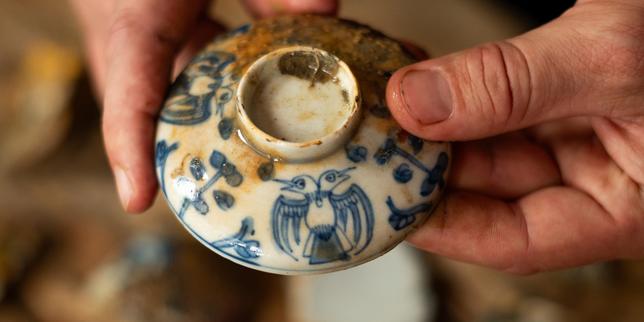
The recent expeditions recovered approximately 1,500 new objects from just 7 meters of water and roughly 40 meters from the shore. The extraordinary collection includes gold coins, precious porcelain, and artifacts from distant trade networks. Among the recovered items are a 17th-century Indo-Portuguese ivory statuette of Saint John manufactured in Goa, blue-and-white Chinese porcelain cups, an Ottoman terracotta pipe, and ceramic bottles originating from the Ottoman Empire. Researchers also recovered 14 gold coins minted between 1659 and 1718, originating from the United Provinces of the Netherlands, Venice, the Holy Roman Empire, and the Mughal Empire in India.
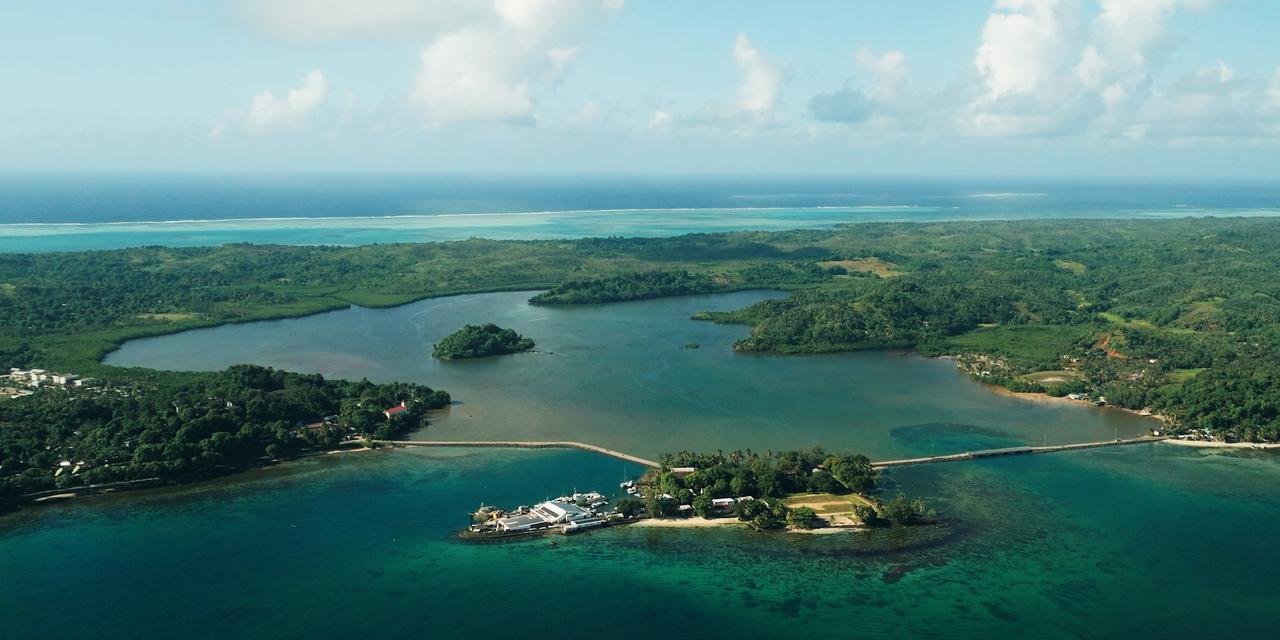
In addition to the underwater work, the team conducted terrestrial archaeological digs on a small island situated at the entrance to the Ambodifotatra bay. These land excavations uncovered concrete traces of a smuggling and slave-trading post established in the 1690s that persisted into the 1730s. The findings also shed light on the tangible realities of commercial and social exchanges with the local Betsimisaraka population of that era.
Jean Soulat, the chief archaeologist for both expeditions and a research engineer at the private archaeology laboratory LandArc, emphasized the significance of the physical discoveries. “We are moving from myth to concrete traces,” he said. Soulat, who is also an associate researcher at the CNRS, launched the “Archaeology of Piracy” research program in 2019 with backing from the universities of Caen and Paris-I to develop this underexplored scientific field.
Speaking during a series of conferences in Réunion organized by the association Les Am·ies de l’université and a subsequent colloquium on Indian Ocean piracy hosted by the Ecole supérieure d’art, Soulat explained how multidisciplinary scholarship challenges folkloric stereotypes of pirates. He noted that the work demonstrates how piracy was not founded exclusively on conflict and pillage, but also involved commercial trade, shared practices, and métissage. “Archives tell one story, oral traditions tell another, and archaeology allows us to confront them with material traces,” he stated.