
The rapid expansion of artificial intelligence infrastructure across the United States threatens to reverse a decade and a half of progress in reducing power sector emissions, according to a new analysis by the Sierra Club.
By 2030, U.S. power sector carbon dioxide emissions could climb to approximately 2.1 billion tons, marking a 42% increase over projected 2025 levels. This surge would effectively erase the emissions reductions achieved by the U.S. electricity sector since the 2010s. The primary driver behind the shift is the explosive growth of large-scale language model training, inference services, and cloud-based AI applications, which have dramatically accelerated electricity demand.
However, the expansion of clean energy generation and electrical grid capacity has failed to keep pace. Because many technology companies face protracted delays in securing traditional grid interconnection, developers are increasingly bypassing public utilities altogether to build private power sources for their facilities.
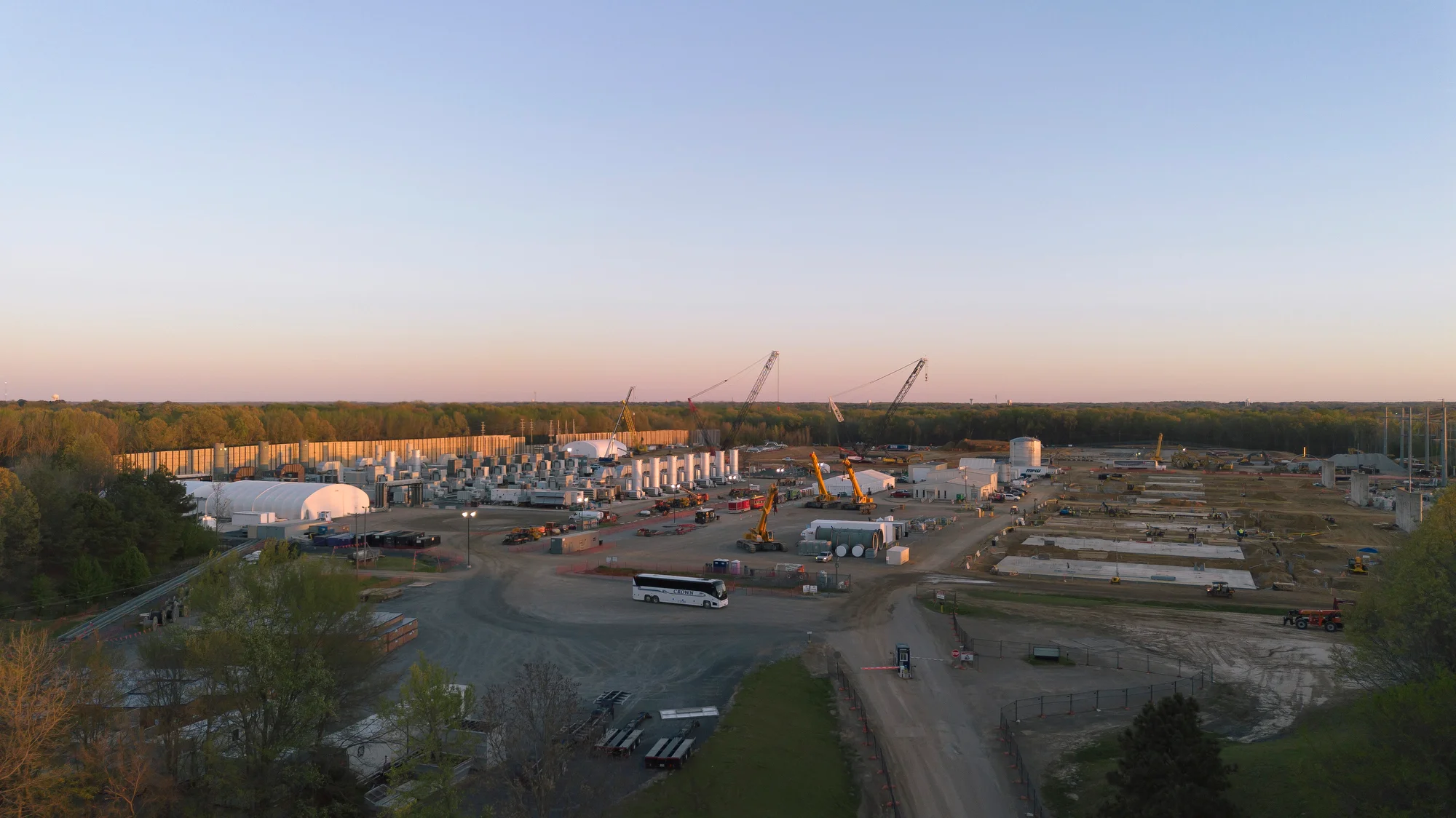
These so-called “behind-the-meter” projects predominantly rely on fossil fuels such as natural gas. Emissions from these private setups are frequently omitted from conventional public grid emission inventories. The report projects that by 2030, off-grid power installations built or contracted by data center developers could generate more than 460 million tons of carbon dioxide annually—a volume of new emissions roughly equivalent to the entire annual carbon output of Mexico. This comparison isolates the emissions generated by the dedicated off-grid generation facilities rather than encompassing all operations associated with the data centers.
Sluggish grid connection procedures remain a core catalyst for the corporate pivot toward independent generation. Many large projects face years of waiting lists for approval, clashing with the compressed development timelines demanded by the tech industry. To meet operational deadlines, developers are increasingly deploying rapidly deployable systems like natural gas turbines directly alongside data facilities.
Even when data centers connect to the traditional public grid, their power consumption exerts substantial upward pressure on emissions. The analysis indicates that grid-connected data center projects could independently drive an additional 154 million tons of carbon dioxide emissions by 2030, pushing baseline levels up by roughly 10%. Consequently, whether facilities choose off-grid autonomy or public grid integration, their energy consumption complicates national climate targets.
Industry observers note that the AI boom is exposing foundational bottlenecks within American energy infrastructure. Balancing soaring computing power demands with ongoing clean energy transitions will pose a central challenge for U.S. energy policy in the coming years. Experts suggest that accelerating renewable energy deployment, streamlining grid connection queues, and establishing more stringent complementary energy standards represent the primary pathways to mitigate climate risks without halting technological expansion.