
The Africa Cup of Nations will return to a biennial schedule after the continent’s governing body reversed its previous decision to shift toward a four-year tournament cycle.
Officials at the African Football Confederation (CAF) announced that the executive committee had unanimously voted to restore the two-year format. CAF president Patrice Motsepe explained that the reversal was driven largely by concerns over the financial timeline required for a proposed alternative competition, the Africa Nations League Pan-African Competition, which was originally intended to mirror Afcon’s structure on a four-year interval.
“We were also concerned by the several years required before the proposed new Africa Nations League Pan-African competition, (which was supposed to be identical to the current Afcon and take place every two years), could make the substantial financial and football development contributions for African Football and Caf competitions to be globally competitive and self-supporting,” Motsepe said in an official statement.
Motsepe acknowledged that the reinstated schedule could draw friction from international clubs, noting that the decision was made in the interest of African players employed outside the continent, though European and global sides face the prospect of losing key personnel every two years rather than once every four cycles.
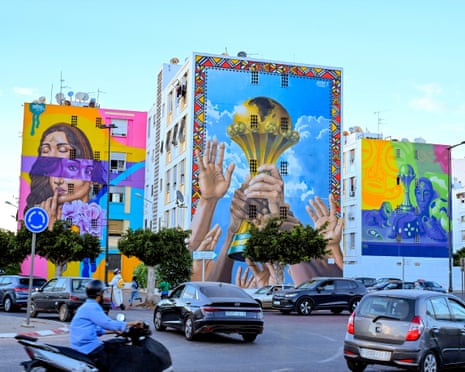
Following next year’s tournament—which is scheduled to be co-hosted by Kenya, Tanzania, and Uganda—subsequent editions are slated for 2028, 2031, and 2033. Motsepe noted that the three-year gap between the 2028 and 2031 tournaments accounts for the 2030 FIFA World Cup, adhering to traditional scheduling rules that prevent major continental finals from clashing with World Cup years.
The tournament announcement arrived amid a busy week of domestic and European club fixtures. In the English Premier League, Brighton & Hove Albion manager Fabian Hurzeler confirmed he expects Chema Andres and Ferdi Kadioglu to return for his side’s weekend fixture against Manchester City. Both players sustained hip injuries during a match at Liverpool, forcing them to miss a midweek Carabao Cup penalty defeat to City at the Etihad Stadium. Charalampos Kostoulas is also expected to feature after being rested in midweek, though summer arrival Pascal Struijk remains sidelined with an undisclosed knock.
In the Women’s Champions League, Manchester City suffered a setback after conceding a late equalizer to secure their third consecutive draw of the league phase, leaving manager Andrée Jeglertz’s squad needing strong results in their final three matches to bypass the February knockout play-offs.
Meanwhile, Everton advanced to the League Cup quarter-finals following a victory over Newcastle United achieved without England international Jack Grealish. Grealish was omitted due to what the club termed a breach of internal discipline, a decision backed publicly by manager David Moyes. The disciplinary action arrives ahead of an immediate rematch between the two clubs on Monday night.