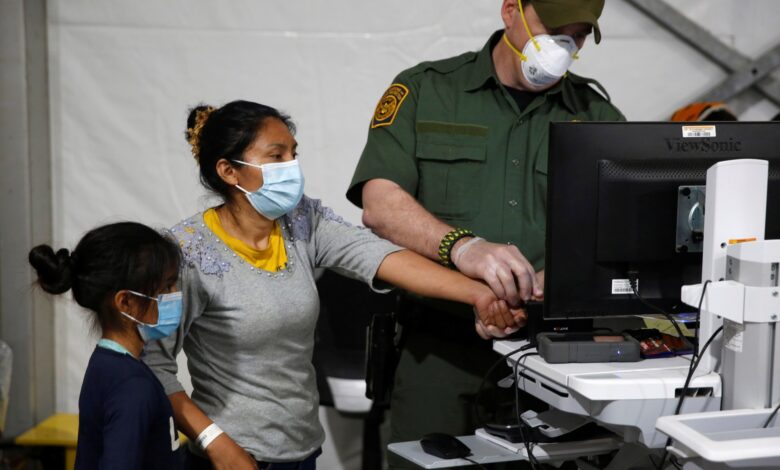
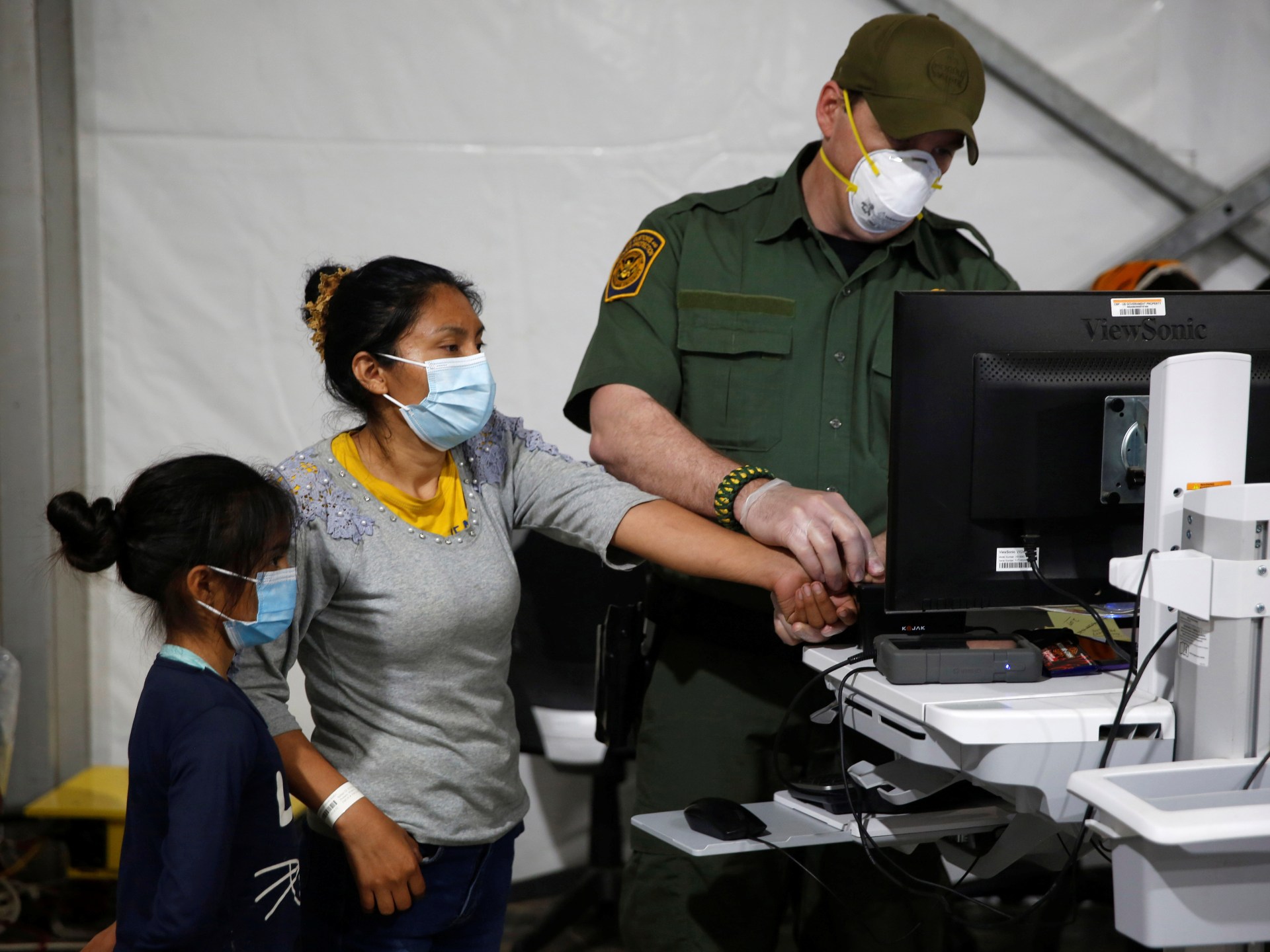
Rio Grande Valley residents gathered in Brownsville to observe the annual Day of the Dead by honoring victims of state violence, highlighting a region deeply affected by aggressive federal immigration enforcement just days before the U.S. midterm elections. The observance reflected mounting anxiety across the subtropical Texas borderland, where about 1.5 million residents live amidst shifting political dynamics and heightened deportation operations under President Donald Trump’s administration.
Community organizer Mark Anthony Vasquez pointed to widespread apprehension regarding Immigration and Customs Enforcement raids. “The atmosphere here in the Rio Grande Valley when it comes to ICE detentions and the ICE raids, there’s just the overall feeling amongst folks that there’s no real due process to this,” Vasquez said. Near a local bookstore, 24-year-old Juliana Garcia shared how her aunt, a prominent figure in neighboring Progreso, was detained after missing a DHS court notice and deported within 36 hours after signing a voluntary form under pressure. “People are waking up, and they’re remembering that politics, regardless of what branch you’re in, it’s going to impact you every day,” Garcia said.
Immigration views in the Rio Grande Valley remain deeply complex. Frustration with border crossings during the Biden administration contributed to Trump’s historic 2024 gains in the region, where he carried Hidalgo County with 51 percent of the vote and secured Cameron County by about five percentage points. Some residents, such as Brownsville voter Jose Arizpe, welcomed the shift as positive change that reduced the number of asylum seekers waiting locally. Arizpe supported the administration’s emergency measures and border restrictions, questioning critics who advocate for looser enforcement without offering personal accommodation.
However, domestic enforcement measures and their economic fallout have complicated local sentiment. Martin Torres, a Brownsville voter who participated in early voting for Democrats, initially supported Trump’s platform but grew disillusioned as workforce disruptions mounted. A report from the Caminos Institute estimates that the region has lost $180.6 million in economic activity across sectors like construction and dining due to recent immigration policies. Other residents pointed to civil rights concerns, citing a Supreme Court decision allowing law enforcement to weigh apparent race, ethnicity, or language during patrols, alongside a state law empowering local police to question individuals suspected of unauthorized entry.

Polling indicates that local dismay over aggressive tactics runs deep. An ACLU of Texas survey found that 53 percent of area respondents believe enforcement has made their lives harder without improving community safety, while 64 percent feel ICE tactics have gone too far. Osvaldo Grimaldo, a policy strategist with the ACLU of Texas, noted that border residents are reevaluating their priorities following the 2024 election cycle. Even religious leaders sympathetic to the administration’s rule-of-law arguments acknowledged the human toll. Eli Lara, lead pastor at New Life Family Church in McAllen, described community distress over widespread targeting, noting that even congregants with historical infractions have been swept up despite years of local integration.
The resulting political mobilization is visible in congressional contests across the Rio Grande Valley, where Democratic challengers and incumbents have polled competitively against Republican opponents. Beyond federal races, voters are weighing the downstream effects of state policies, including Governor Greg Abbott’s utilization of state agencies for border enforcement and potential legislative shifts. For activists like Garcia, who volunteers with the Hidalgo County Young Democrats, the recent trauma of aggressive enforcement—including local incidents involving physical force by agents—has shattered political apathy across the border region.