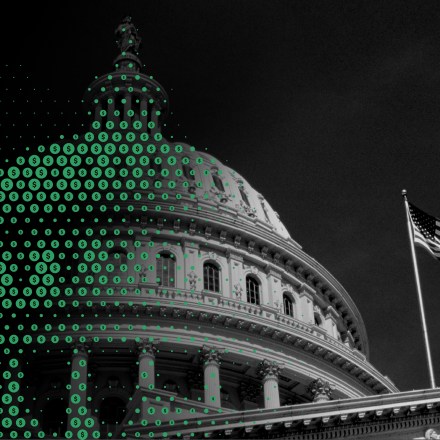
As the midterm elections approach, campaign spending has shattered historical records to become the most expensive cycle to date, with total funds raised climbing past $16 billion and House and Senate ad expenditures alone exceeding $4 billion, according to data from AdImpact. Beneath the staggering financial totals lies a shifting landscape of special-interest influence, where major political donors—heavily concentrated in artificial intelligence, cryptocurrency, and online gambling—have overwhelmingly funneled resources to support Republican candidates and allied organizations.
According to analysis from CNBC earlier in October, 14 of the 20 largest donor groups this election cycle backed Republican candidates exclusively or almost exclusively. Mega-donors such as Elon Musk have poured hundreds of millions into races nationwide, including a high-profile focus on the Texas Senate race between Republican Ken Paxton and Democrat James Talarico. Rather than going directly to candidate campaign chests, the vast majority of this capital flows into powerful super PAC networks designed to advance specific industry agendas.
Among special-interest spenders, the American Israel Public Affairs Committee and its affiliated super PAC, the United Democracy Project, have maintained dominant financial footprints despite growing public sentiment and voter scrutiny turning against the pro-Israel lobby. Managing Editor Maia Hibbett noted that while AIPAC faced high-profile primary upsets earlier in the cycle, aggregate data shows the organization continues to outspend opponents and secure victories for its favored candidates. In response to mounting public criticism regarding U.S. support for military actions in Gaza, AIPAC shifted strategy, announcing it would no longer make direct campaign contributions or official candidate endorsements, effectively returning to its historical operating model of behind-the-scenes influence.
Meanwhile, artificial intelligence super PACs experienced an accelerated timeline of public backlash and tactical adjustment. During the primaries, leading networks aligned with OpenAI and Anthropic poured a combined $50.7 million into key contests, particularly in New York. However, as public opinion shifted rapidly over the past year regarding data centers and AI regulation, general election spending by these groups plummeted to $8.5 million.
Politics reporter Matt Sledge explained that the life cycle of these AI super PACs closely tracked public skepticism. Leading the Future, the OpenAI-aligned network, scaled back operations as the general election approached, prompting a similar pullback from the Anthropic-backed network, Public First. Despite reduced overall spending, AI industry money continues to play a strategic role in targeted races. In South Carolina, Leading Financial support has bolstered Senator Darline Graham, demonstrating how tech interests can still influence legislative control of the Senate.
Beyond federal races, tech industry executives have also injected millions into local contests to counter candidates advocating for stricter corporate oversight. In Los Angeles, tech leaders including John Hering, alongside founders of Ring and Tinder, heavily financed opposition committees such as Neighbors for John McKinney to block Marissa Roy, a Democratic Socialists of America-backed candidate. Roy previously served as a deputy California attorney general and helped prosecute a historic $17 billion settlement against Meta over harms to children using its technology.

As voters head to the polls, candidates across the country have increasingly sought to position themselves as champions of AI safety and local regulatory oversight in response to voter frustration. Analysts emphasize that regardless of which party secures control of Congress, the next legislative session will feature lawmakers whose victories were propelled by Big Tech and special-interest funding, establishing a formidable network of allies dedicated to shaping or stalling future federal regulations.