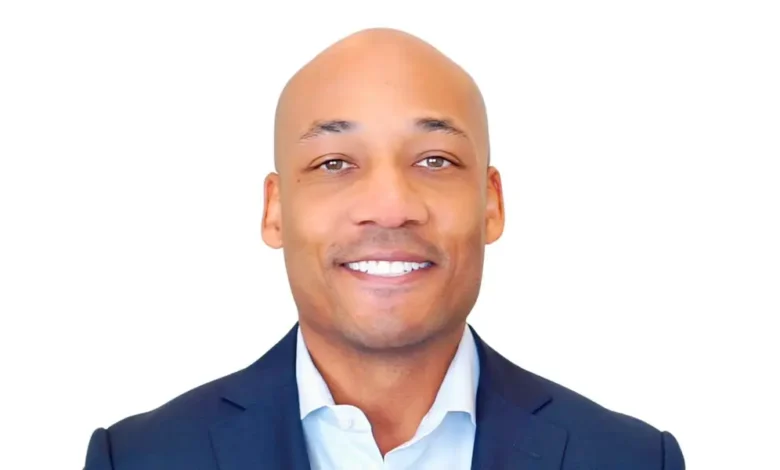
In the highly manual world of private wealth management, the emergence of advanced artificial intelligence tools is shifting the role of the advisor from a data entry specialist to a financial architect. Rick Nott, a senior managing director and private wealth advisor at Santa Monica-based Angeles Investments, has begun utilizing large language models to solve the industry’s most persistent bottleneck: the fragmentation of client data.
For decades, wealth advisors have relied on manual entry, often using Excel to bridge the gap between various brokerage accounts, trusts, and business ownership structures. Nott, who began his career in the late 2000s performing data reporting work, noted that the complexity of a client’s financial system grows exponentially with their net worth. While traditional bank accounts are relatively easy to track, private investments and complex legal structures generate a massive volume of disparate documentation that requires human interpretation.
The scale of this manual labor is significant. Nott estimates that for a firm serving 30 families with roughly 10 private investments each, the office must process approximately 3,000 documents annually. These include quarterly reports, capital calls, distribution notices, and tax filings. Under traditional methods, a skilled analyst would spend between 15 and 30 minutes distilling each document. This equates to 750 to 1,500 hours of labor per year, with the bulk of the work concentrated in the weeks following the close of a fiscal quarter.
By integrating AI into these workflows, Nott has effectively automated the extraction and mapping of this data as it arrives. This allows a single analyst to review the machine’s output rather than a full team racing against a deadline. This shift has also democratized high-end reporting services. Previously, the manual work required to produce comprehensive balance sheet reporting meant the service was only viable for clients with more than $100 million in assets. Automation now allows advisors to provide the same level of granular detail to clients with significantly less capital.
Beyond simple data entry, Nott is using AI as the technical “glue” between different software systems and workflows. Despite not being a software developer, he has used LLMs to assist in writing code for custom automations. This connectivity allows for the creation of near real-time reports accessible on a client’s mobile device and the drafting of complex client emails where the AI populates accurate financial figures before a human advisor personalizes the tone.
However, the transition to AI-native platforms is not without logistical and financial hurdles. Nott expressed concern regarding the shift from subscription-based licensing to token-based pricing models. In a token-based system, users are billed for the volume of data processed, which can lead to unpredictable costs. He noted that at smaller registered investment advisors (RIAs) lacking technical expertise, employees might upload 100-page PDF documents to ask basic questions, such as the ages of beneficiaries in a trust, which can rapidly exhaust token budgets.
Despite the gains in efficiency, Nott maintains that AI will not replace the fundamental human judgment required in investing. He characterizes his role as an architect of a financial operating system, where a centralized source of data allows clients to ignore market noise and focus on long-term missions. While AI can draft reports and summarize trusts, Nott argues that it cannot replicate the emotional connection and nuanced understanding required when sitting across from a client to discuss their financial future.