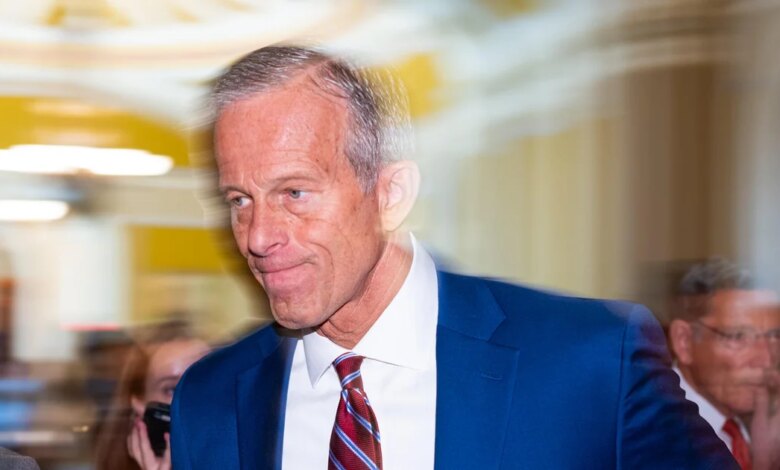
With one week remaining before the midterm elections, Senate Majority Leader John Thune finds himself navigating a perilous political landscape that threatens the Republican majority he has spent two years defending. Operating in terrain complicated by an unpopular war with Iran, stubborn gas prices, and constant pressure from the White House, the South Dakota Republican faces a defining verdict from voters on whether his cautious, consensus-building approach has succeeded.
Less than 24 hours after a raucous presidential rally in a western Iowa airplane hangar, Thune stood alongside Representative Ashley Hinson in a Sioux City strip-mall bar and grill. Hosting a roundtable with six local business owners, the low-key leader showcased the style that has defined his tenure since his conference chose him as leader following the 2024 elections. When questioned about threading the needle between presidential loyalty and controversial policies, Hinson offered a standard party response of supporting the president when in agreement while serving as a legislative check otherwise. Thune barely flinched, reflecting a balancing act he has walked for nearly two years.
Inside his leadership office near the chamber early in the fall, staffers celebrated the season’s first fireplace lighting as Thune assessed the upcoming electoral battle. “Nothing’s a guarantee. There are no layups,” he remarked. Since replacing Mitch McConnell as leader, Thune has guided his conference through Democratic opposition and presidential whims. With street corners displaying high gas prices like daily reminders, Thune defended his economic record, arguing that conditions for long-term growth and success for job creators have been established.
Behind closed doors in the Old Senate Chamber, colleagues frequently describe Thune with adjectives like “steady,” “kind,” and a “team player.” At age 65, the conservative lawmaker has advanced massive tax, border security, and defense agendas through marathon overnight voting sessions, alongside bipartisan wins including a housing measure, stablecoin legislation, and bills targeting revenge porn and fentanyl. Yet heading into the midterms, that track record risks being overshadowed by economic toll from abroad and questions regarding legislative action.
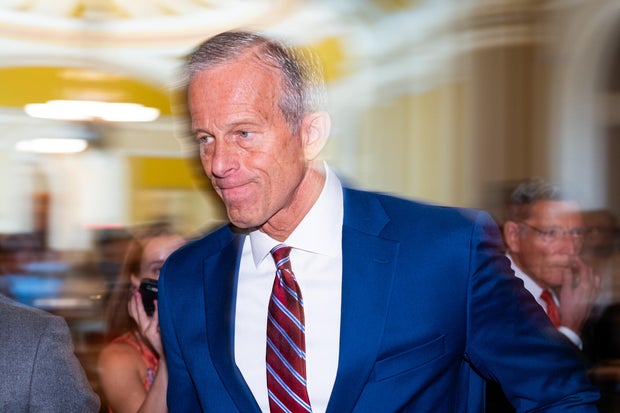
Despite rising concern over energy prices and the conflict in Ukraine and the Middle East, only a handful of Republicans have broken with the administration. Across more than a dozen votes forced by Democrats on war powers, the GOP conference has remained largely united behind the executive branch. Looking out over the Washington Monument from his office, Thune argued that voters face a clear choice between two paths, asserting that emphasizing long-term policy dividends and the ground game gives Republicans a strong chance to retain control.
Thune’s path to leadership is rooted in the northern plains. Born in 1961, he grew up in Murdo, South Dakota, a town without stoplights. His father, Harold Thune, a World War II veteran, teacher, and coach, served as a primary hero for Thune and his four siblings. A standout high school basketball player standing 6 feet 4 inches tall, Thune scored 36 points in one game before his father famously reminded him of an open teammate, instilling an aversion to ball hogs. A chance meeting with congressman Jim Abdnor after sinking free throws launched a decadeslong mentorship, leading Thune to work in Abdnor’s Senate office, serve in the Small Business Administration under Ronald Reagan, and direct state agencies before winning election to the House in 1996.
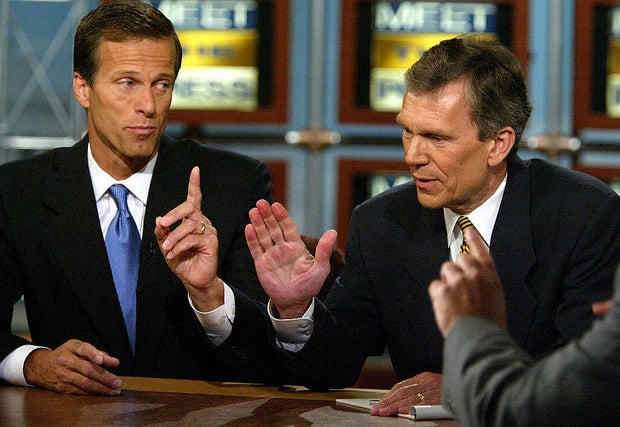
In 2004, Thune orchestrated a political earthquake by defeating Senate Democratic leader Tom Daschle, becoming the first challenger in half a century to oust a party leader. Recruited by President George W. Bush, he arrived in the Senate as a political celebrity. Two decades later, his tenure as leader has brought new tensions, particularly with a White House pushing aggressively to alter chamber traditions.
Friction spilled into public view over key legislative battles, most notably the SAVE America Act. When the president demanded the elections bill pass before signing a popular bipartisan housing measure, the 11th-hour cancellation disrupted Senate plans. Thune steadfastly defended the legislative filibuster, warning against turning the Senate into a copy of the House. Despite facing scorn from online commentators and a brief, failed censure resolution by the South Dakota Republican Party, Thune refused to yield on preserving the minority’s voice.
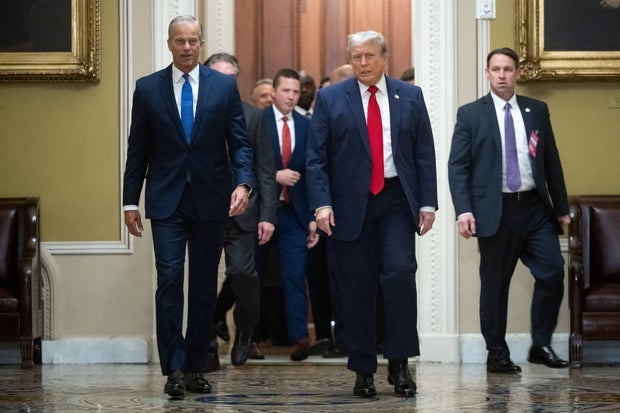
Republicans enter the final week facing an electoral map vastly different from post-2024 projections. While Thune engineered an early recruitment and fundraising strategy to protect incumbents and open seats, external headwinds have tightened races nationwide. Nonpartisan analysts note that while Republicans maintain a formidable financial advantage via outside super PAC spending, the toll of rising gas prices and foreign conflict has made retention of the majority a toss-up.
As campaigns reach their final hours, Thune continues traveling the country to support candidates while encouraging them to run independent races. Whether his strategy of policy alignment and institutional independence pays off will be decided by voters, determining both the fate of the Senate majority and the future of his leadership.