U.N. Condemns U.S. Embargo Against Cuba Amid Sharp Diplomatic Clashes and Shifting Global Support

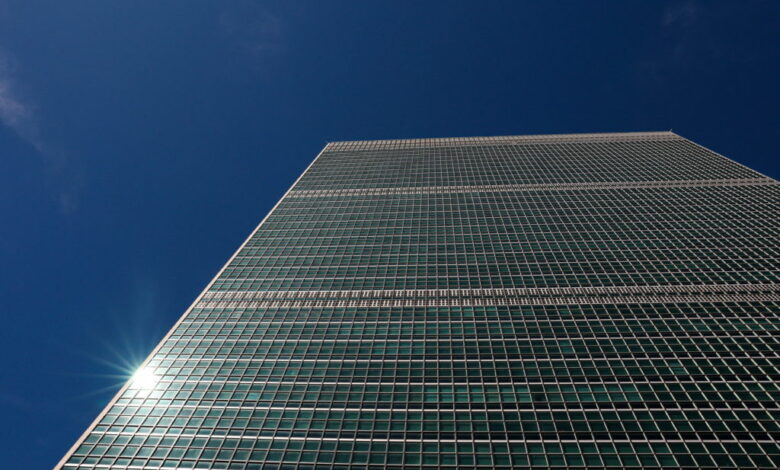
The United Nations General Assembly has condemned the U.S. economic embargo of Cuba for the 34th year, but an aggressive diplomatic campaign by Washington led a notable number of countries to vote against the resolution or abstain for the first time.
The final tally on Wednesday was 130-17 with 25 abstentions, representing a substantial decrease in support compared to the previous year, when more than 160 nations backed the measure and only 12 abstained. While General Assembly resolutions are non-binding, they serve as an indicator of international sentiment.
For the first time in 34 years, Western nations including Germany, Italy, and Latvia refrained from voting. Meanwhile, countries such as Bosnia, Colombia, Costa Rica, Ecuador, Lithuania, Morocco, North Macedonia, Paraguay, and Slovenia cast opposing votes, most of them for the first time.
The shift in voting patterns coincides with deepening financial distress, severe energy shortages, and rolling blackouts on the island. The Trump administration has intensified its economic campaign against Havana, seeking to force political changes. Last week, President Donald Trump raised the prospect of potential U.S. military intervention, suggesting American warships could stop in Cuba on their way back from the Iran conflict.
Cuban Foreign Minister Bruno Rodríguez criticized the campaign ahead of the vote, stating that a major power was waging an economic war against a member state. U.S. Ambassador to the U.N. Mike Waltz defended the American position, telling member nations that their votes stood between a corrupt regime and another propaganda victory.
Tensions between Washington and Havana spilled over into direct confrontations on the assembly floor. On Tuesday, Waltz and Rodríguez engaged in a shouting match during debate over the embargo. After Waltz began criticizing the Cuban government, Rodríguez walked toward the podium, called the U.S. envoy a liar, and attempted to raise a point of order with the presiding official.
Security and U.N. personnel intervened as Waltz told the Cuban minister to back away from the podium and asserted that he would not be intimidated. Rodríguez later commented on social media that he was speaking at the United Nations rather than a White House national security meeting.
On the sidelines of the General Assembly hall, Waltz accused a member of the Cuban delegation of assaulting an American diplomat who was filming him. Waltz stated that Secretary of State Marco Rubio ordered the official expelled, a move confirmed by the State Department. A week prior, another verbal altercation occurred outside a U.S.-hosted panel featuring Cuban dissidents and former prisoners.
The U.S. embargo against Cuba originated in 1960 following the revolution led by Fidel Castro that nationalized U.S.-owned properties. Decades of economic strain have been compounded by a late January announcement from President Trump imposing tariffs on any nation supplying oil to Cuba, effectively cutting off fuel imports and triggering widespread outages affecting water, internet, and telecommunications services.