Federal Trade Commission Launches Inquiry Into Surveillance Pricing Practices Across Major Industries

Federal regulators have initiated a sweeping inquiry into nine major corporations to determine whether companies are utilizing personal data to implement individualized pricing models or influence worker compensation. The Federal Trade Commission announced Wednesday that it is examining practices across the airline, ride-hailing, food delivery, and retail sectors to uncover whether personal information is being leveraged to charge different consumers varying prices for identical products and services.
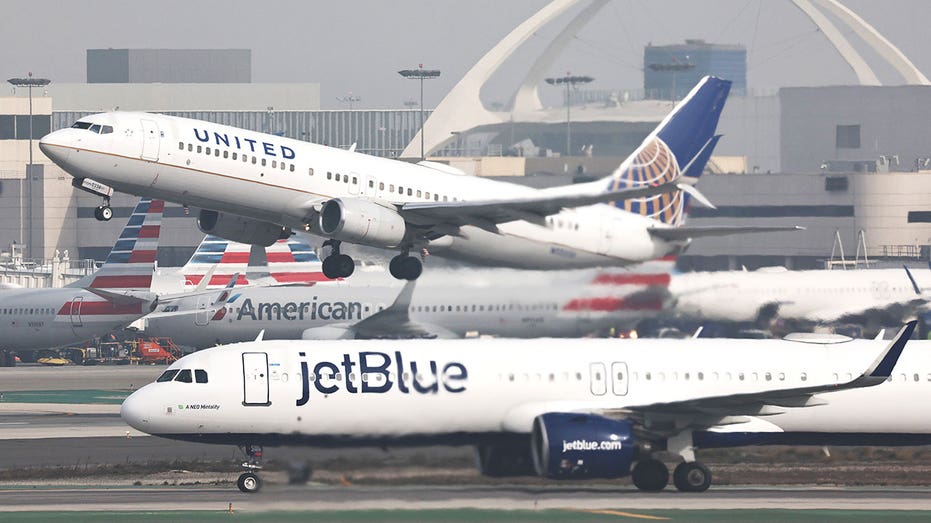
Orders requiring companies to supply detailed information about their pricing and compensation mechanisms were sent to Delta Air Lines, United Airlines, JetBlue, Lyft, Uber, DoorDash, Instacart, Target, and Walmart. According to the agency, the inquiry aims to evaluate whether costs for airline tickets, vehicle rides, food deliveries, and retail merchandise fluctuate from person to person based on consumer data.
FTC Chairman Andrew Ferguson emphasized that individuals should not be kept in the dark regarding corporate data practices. Consumers deserve to know whether companies use their web-surfing habits or other personal data to estimate the highest price they can charge each individual. Ferguson added that gig workers also deserve transparency regarding whether their compensation is affected by how companies utilize their personal data.
The regulatory examination will look closely at whether factors such as customer loyalty programs and algorithmic analysis of personal data influence consumer costs and worker pay. In its announcement, the agency noted that ride-hailing and food-delivery companies might engage in personalized compensation through opaque formulas that analyze drivers’ phone usage or past offer acceptance histories.
Several targeted companies have responded to the inquiry with denials regarding the use of individualized pricing. A spokesperson for Instacart stated that the online grocery marketplace does not and will not engage in surveillance pricing, affirming that the platform does not use personal information to set prices. JetBlue similarly stated that it does not use personal data or web-surfing histories to set individual fares, explaining that its ticket prices are determined by demand and seat availability, ensuring all customers have access to the same fares on its digital platforms. A JetBlue representative expressed appreciation for the focus on transparency and affordability, noting the company will continue engaging with regulators.
Delta Air Lines also denied utilizing personal data for individualized pricing, stating that the carrier has never used, tested, or planned to use fare products targeting customers with customized offers based on personal data. Meanwhile, the FTC reached out to United, Lyft, Uber, DoorDash, Target, and Walmart for comment.
Companies receiving the orders have 45 days from receipt to respond. The regulatory body warned that firms failing to provide the requested information could face legal action to compel compliance.