Los Angeles Officials Weigh Utility Rate Overhaul Amid Surging Costs and Executive Salaries

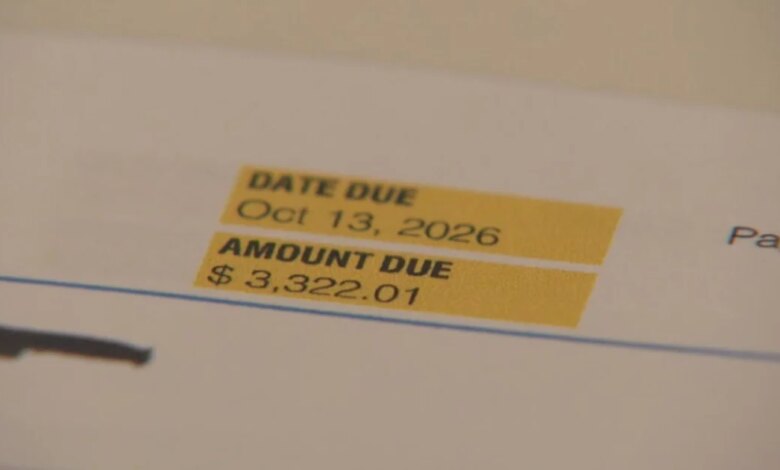
The Los Angeles Department of Water and Power Board of Commissioners has passed a resolution requesting a comprehensive review of the agency’s rates, billing structures, and how charges are applied to individual customers. The action follows mounting controversy over steep utility rate hikes for local residents, with some customer bills reaching into the thousands of dollars.
Tim O’Connor, executive director of the City of Los Angeles Office of Public Accountability, called the decision a positive step while emphasizing that the effectiveness of the review will depend on implementation details. O’Connor noted that the utility’s rate framework was designed more than a decade ago and requires modernization to reward off-peak usage, encourage new technology, and provide consumers with better data to manage consumption.
The review will also examine the compensation levels of utility supervisors and executives. Records show that nine executives at the municipal utility earn more than $700,000 annually, while more than two dozen supervisors make in excess of $600,000. However, O’Connor pointed out that individual salaries are not the primary driver of customer financial strain. Instead, he attributed the rising costs primarily to major capital projects, ongoing maintenance, and operations expenses necessary to maintain reliable water and power delivery.
In response to inquiries regarding labor expenses, the utility stated that overtime accounts for 5% of its $10.8 billion budget, while total labor costs comprise 18%. The agency explained that its workforce handles specialized electric infrastructure requiring high-demand technical skills. Furthermore, the utility reported that overtime compensation increased 17%, rising from approximately $426 million in 2024 to more than $499 million in 2025, to recruit and retain the necessary workforce.
Independent analyses indicate that the utility’s recent price increases have outpaced inflation. An analysis from the UCLA School of Law Emmett Institute on Climate Change and the Environment found that the agency’s rates surged by 45% over the past year. Denise Grab, project director for the Emmett Clean Energy Law and Leadership Project, explained that the steep increases significantly exceed inflation as the utility addresses years of deferred maintenance and funds new capital projects following a long period of comparatively cheap rates.
Despite these sharp hikes, regional comparisons show that the municipal utility’s rates remain lower than several neighboring providers. A 2025 study by the Emmett Institute and a 2026 study commissioned by the city of Pasadena and conducted by New Gen Strategies found that regional providers such as Southern California Edison, Glendale Water and Power, Burbank Water and Power, and Pasadena Water and Power maintain higher rates. Grab noted that Southern California Edison rates are generally higher by about 20%.
Both O’Connor and Grab cautioned that utility rates will likely continue to rise in the coming years, driven by aging infrastructure, wildfire prevention mandates, and increased air conditioning demand during heatwaves. Recent utility presentations indicate that future rates could more than double current levels.
To help customers manage growing expenses, experts emphasize the need for enhanced communication and modernized billing technology. The utility is rolling out smart-meter installations over the coming year to provide real-time feedback for consumers. O’Connor also advocated for reforming time-of-use pricing to better capture surplus solar energy during peak generation hours and expanding eligibility for low-income assistance programs by moving away from national federal poverty guidelines that fail to reflect the high cost of living in Los Angeles.