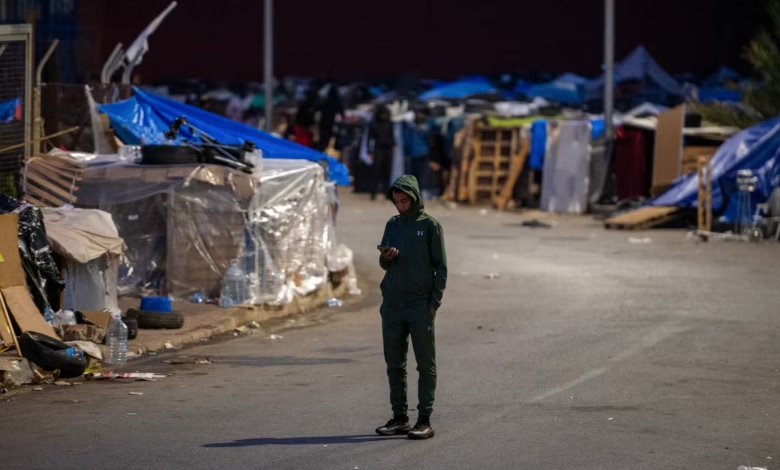
Spain has carried out its first deportations of rejected asylum seekers from the North African enclave of Ceuta since a mass border crossing in July drew global attention. More than a dozen individuals were transferred back to Moroccan territory after Moroccan authorities agreed to receive them.
While the Spanish Interior Ministry did not confirm the exact figures or nationalities involved, migrant advocacy groups and human rights charities operating in Ceuta reported that 16 people originating from Senegal, Nigeria, Yemen, Cameroon, and Bangladesh were sent across the border.
The deportations have sparked immediate concern among humanitarian organizations, who argue that returning third-country nationals to Morocco exposes them to significant human rights risks. Critics contend the action runs counter to the stated principles of Spain’s leftist government.
Virginia Alvarez, a researcher with Amnesty International, criticized the government’s approach, stating that Spain fails to ensure necessary human rights guarantees for individuals crossing borders into Ceuta and Melilla, pointing to human rights challenges within Morocco.

In response to the criticism, a spokesperson for Spain’s Interior Ministry defended the action, noting that the European Union considers Morocco a safe country and asserting that all deportations are executed with necessary legal safeguards. The ministry did not provide further details regarding the operation.
Morocco faces ongoing international scrutiny regarding its human rights record, including restrictions on freedom of expression, peaceful dissent, and discriminatory laws affecting women and LGBT+ individuals, such as the criminalization of consensual same-sex relations and limitations on reproductive health services.
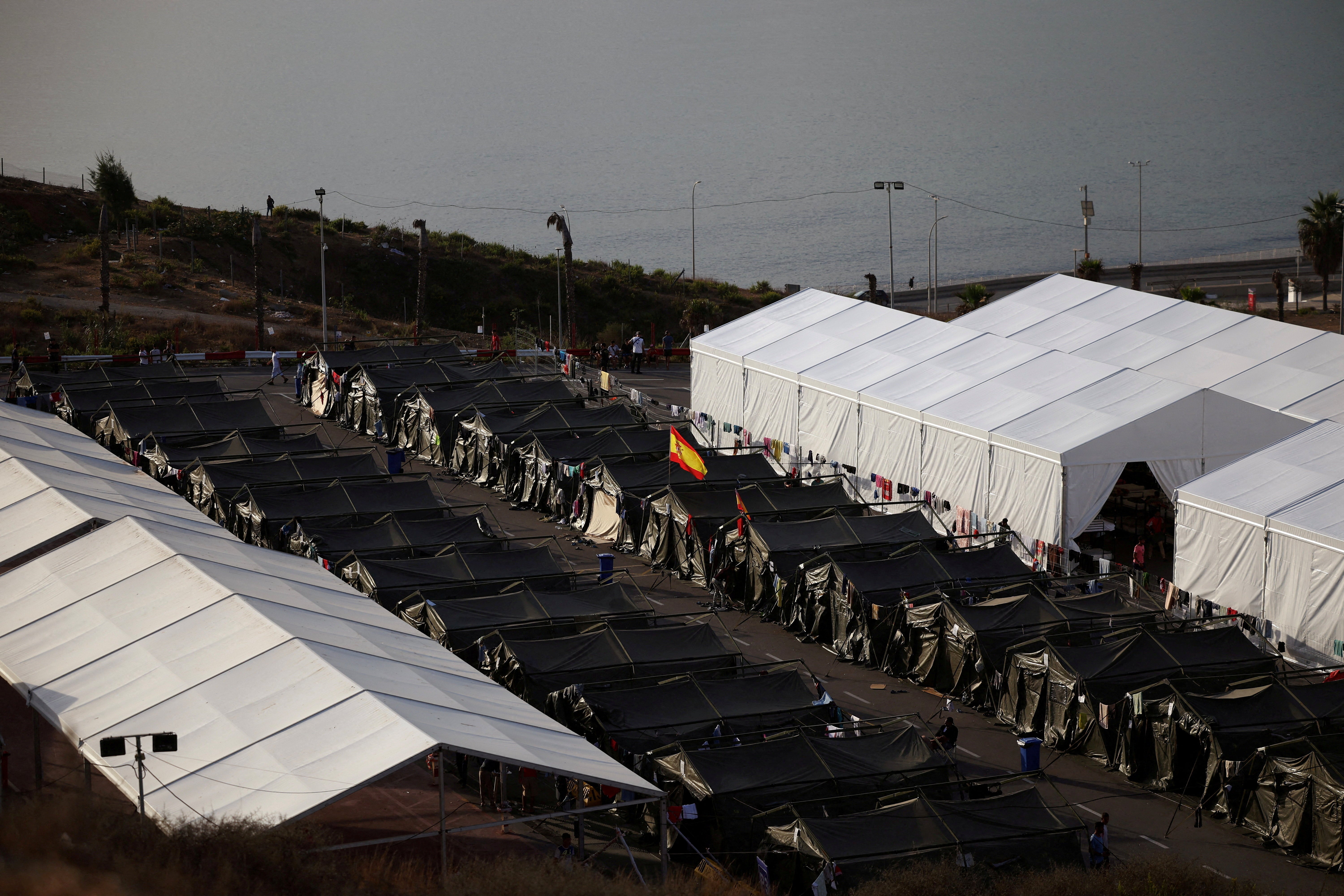
The latest returns follow an unprecedented migration event in July, when approximately 80,000 people crossed from Morocco into Ceuta over a 48-hour period. Ceuta and Melilla constitute Europe’s only land borders with Africa. Although the majority of those who crossed returned within days, thousands remained, placing Prime Minister Pedro Sanchez’s administration under intense pressure from the European Union and domestic voters ahead of elections scheduled for November 29.
Currently, Spanish authorities are housing 8,000 migrants in reception centers while processing asylum applications filed by the majority of those remaining in Ceuta. Meanwhile, organizations including Amnesty International have lodged formal complaints with the Spanish ombudsman, alleging that some non-Moroccan migrants among the 13,000 individuals the government reports have returned voluntarily since mid-August were actually coerced into leaving.