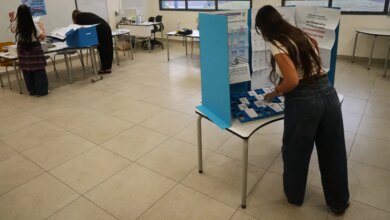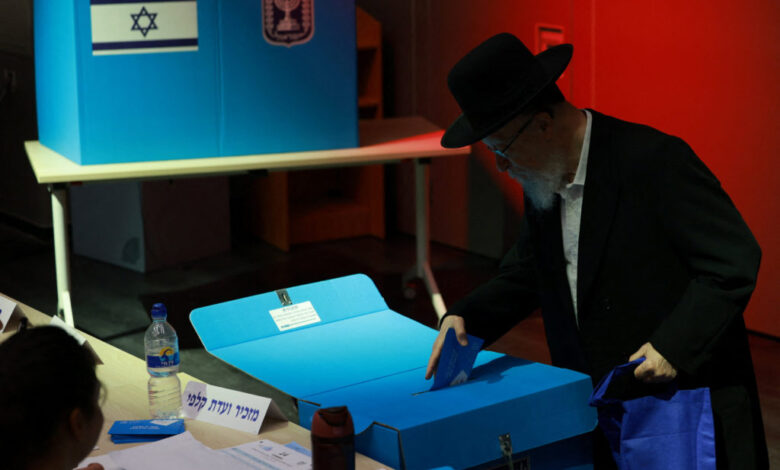
Israelis headed to the polls on Tuesday in a watershed election that is widely viewed as a referendum on Benjamin Netanyahu, the country’s longest-serving prime minister. The vote follows the most tumultuous period in the nation’s history, as citizens grapple with the lingering trauma of the October 7 attacks and the resulting multi-front conflicts that have reshaped the Middle Eastern political landscape.
The election is being conducted under Israel’s unique parliamentary system, where voters cast ballots for political parties rather than individual candidates. Because no single party has ever secured an outright majority in the Knesset, the post-election period is expected to trigger intense negotiations between various factions to form a majority coalition. While polls suggest a tight race between Netanyahu’s Likud party and a centrist opposition led by former military chief of staff Gadi Eisenkot, the final selection of a prime minister could take weeks or months as alliances are forged.
The shadow of October 7, 2023, looms large over the entire campaign. On that day, a Hamas-led attack resulted in the deaths of 1,200 people, mostly civilians, and the abduction of 251 others. According to data from the Israel Democracy Institute, roughly 68% of Jewish Israelis identified their attitudes toward the events of October 7 as a central factor in their voting decision. The campaign season has seen a sharp focus on the security failures that allowed the attack to occur, as well as the ongoing societal burden of the war, rather than the humanitarian crisis in Gaza.
Netanyahu, 77, has maintained a characteristically hawkish stance throughout the campaign, resisting calls for a formal commission of inquiry into the October 7 security breakdown. His chief rival, the 66-year-old Eisenkot, has framed his campaign around military accountability and social equity. Eisenkot, who lost his son and two nephews in combat during the Gaza war, has specifically targeted Netanyahu’s long-standing policy of exempting ultra-Orthodox Jews from mandatory military service. This issue has become a significant flashpoint, with a quarter of Jewish voters citing conscription as a primary concern during a time of protracted national mobilization.
The field of contenders includes several other prominent figures from across the political spectrum. Naftali Bennett, a 54-year-old former prime minister, has teamed up with centrist partner Yair Lapid on a joint ticket. Meanwhile, Itamar Ben-Gvir, the 50-year-old national security minister, represents the far-right ultranationalist wing of the current governing coalition. On the center-left, former general Yair Golan leads the Democrats, a party that remains one of the few voices advocating for the eventual establishment of a Palestinian state.
Despite the global attention on the plight of Palestinians, the issue of statehood has occupied little space in the domestic campaign. Netanyahu has sought to polarize the electorate with the slogan “Right or Palestine,” accusing his opponents of being willing to concede territory. Most major candidates have steered clear of the peace process, though some have criticized the rise of settler violence in the West Bank. Mansour Abbas, leading the Arab-led party Ra’am, has focused his platform on domestic issues like crime in Arab communities, even taking the step of naming a Jewish deputy to signal his readiness for coalition partnership.
The international stakes of the vote are equally high. Israel’s global standing has suffered during the war, and Netanyahu himself faces an international arrest warrant. The relationship with the United States is also at a crossroads; former President Donald Trump endorsed Netanyahu just last week, even as Israel’s conduct in Gaza remains a contentious issue in the upcoming U.S. midterm elections. Furthermore, regional tensions remain elevated following a joint U.S.-Israeli military action against Iran launched on February 28.
As reports indicated a high early voter turnout, Netanyahu cast his ballot and immediately urged his base to mobilize. Warning of a victory for his opponents, he exhorted supporters to “flock to the polls” to safeguard the future of the Jewish state. The outcome will determine not only the next government but also the trajectory of Israel’s security policy and its ability to repair fractured international relationships.