The global live music industry has shattered financial records, with worldwide show revenues topping $6 billion for the first time. According to the latest data from Pollstar, the 2026 touring season is on a historic trajectory, fueled by a combination of K-pop dominance, a resurgence in classic hard rock, and a growing consumer appetite for shared physical experiences in an increasingly digital age.
The figures reflect a tracking period between November 13, 2025, and August 12, 2026. This nine-month window has already seen the Top 100 touring artists globally generate more revenue than any comparable period in the industry’s history. Analysts attribute the surge to a post-pandemic stabilization and the return of several high-profile acts to the road.
Leading the charge is the South Korean phenomenon BTS. Returning from their mandatory military service, the group launched the “Arirang World Tour,” which has already raked in over $465 million. The group is consistently selling out NFL-sized stadiums in major international markets, solidifying K-pop’s position as a premier global export. The success is not limited to BTS; fellow K-pop group TWICE also secured a position in the global top 10, landing at No. 6. This success is widely viewed as a result of South Korea’s deliberate “soft power” strategy, which uses government-backed initiatives to export the nation’s cultural products, including hits like “Dynamite,” “Butter,” and “The Feels.”
In a notable shift for the industry, classic rock has staged a massive comeback. Australian legends AC/DC returned to the global stage, hauling in over $136 million to claim the No. 9 spot in the rankings. Their “Back in Black” return to touring has proven that legacy acts remain a significant draw for ticket buyers. Following closely behind the rock titans is British singer-songwriter Ed Sheeran, who rounded out the top tier of performers.

The current Top 10 list of global touring acts also includes Bad Bunny, The Weeknd, Lady Gaga, and Luke Combs. One notable absence from the 2026 rankings is Taylor Swift; however, industry observers noted her exclusion is purely a matter of timing, as she did not tour during the specific nine-month window when the Pollstar data was collected.
While revenue numbers are reaching new heights, the industry is also grappling with the rapid evolution of technology. While streaming and artificial intelligence continue to reshape how music is produced and consumed, the live sector is experimenting with digital integration. Artists like KISS have already introduced digital avatars for their final performances, and ABBA’s “Voyage” show in London continues to demonstrate the viability of hybrid human-digital concerts. Even legacy estates are exploring possibilities, with industry speculation suggesting future digital triple-bills featuring icons like Elvis Presley and Michael Jackson.

This intersection of technology and live performance has attracted massive corporate investment. Apple recently constructed a state-of-the-art 600-seat venue designed to maximize digital-physical integration. Meanwhile, the live entertainment giant AEG is expanding its footprint in grassroots markets. In Austin, Texas, AEG is investing in local club infrastructure, including the reopening of the famed venue Emo’s under a new name and the development of a larger 4,000-capacity facility.
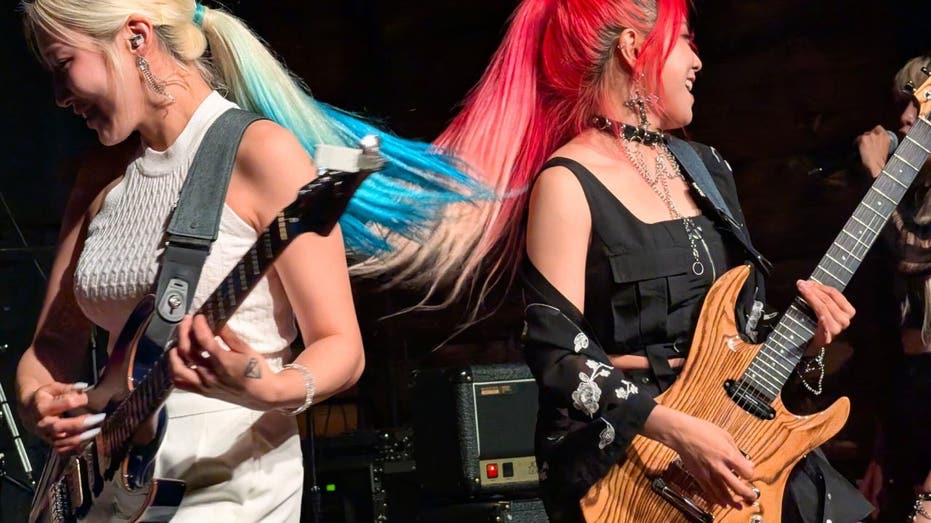
The global nature of the industry was recently on display in Texas, where the South Korean quintet Rolling Quartz performed at Austin’s Come and Take It Live. The band, featuring guitarists Iree and Choi Hyunjung, performed a set that included covers of Texas legend Stevie Ray Vaughan alongside their own English-language rock tracks. Such tours illustrate how the live music market has become a circular global exchange, where international acts find significant audiences in the heart of the American live music scene.
Despite the rise of AI and the potential for digital replacements, the $6 billion milestone suggests that audiences still prioritize the human effort found at the foundation of a live show. Whether it is a stadium performance by BTS or an intimate club set by an emerging band, the demand for authentic, communal experiences continues to drive the industry to record-breaking financial heights.