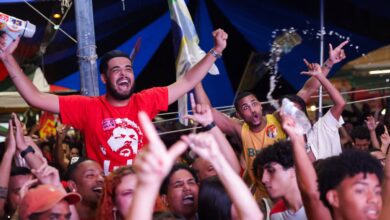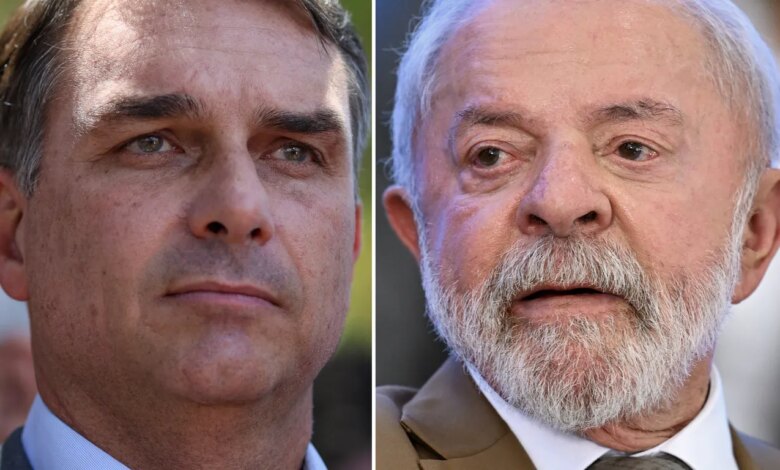
Brazilian President Luiz Inácio Lula da Silva has won election to a fourth, nonconsecutive term, securing victory over challenger Flávio Bolsonaro in Sunday evening’s presidential runoff. The outcome deals a significant setback to the nation’s right-wing populist movement and preserves a prominent political counterweight in Latin America, particularly amid ongoing tensions regarding U.S. trade and tariff policies.
Flávio Bolsonaro entered the race as the heir to the right-wing populist movement previously led by his father, former President Jair Bolsonaro, who is currently serving a 27-year prison sentence for plotting a coup to overturn the 2022 election, though he remains under house arrest due to health problems. Campaigning on public security and efforts to tackle corruption, the younger Bolsonaro positioned himself as a direct continuation of his father’s political legacy. In contrast, Lula emphasized the defense of Brazilian sovereignty in the face of external pressure.
The campaign unfolded against a backdrop of prominent national and international friction points, including the impact of U.S. tariffs, climate change, and the governance of the Amazon rainforest, approximately 60% of which lies within Brazil’s borders. Observers noted that substantive policy debate during the contest was frequently constrained, with both candidates directing considerable attention toward corruption allegations leveled against opposing camps.
Tensions between Brasilia and Washington intensified earlier this summer after the United States imposed an additional 25% tariff on a selection of Brazilian goods. In response, Lula publicly accused his opponent of acting as a candidate aligned with American interests and alleged that the U.S. administration sought to exert colonial influence over South America’s largest economy.
Environmental policy also emerged as a central dividing line. Lula’s administration has pursued climate policies designed to reverse environmental deregulation enacted under the prior administration. Official figures indicate that Amazon deforestation has fallen by 71% since 2022, reaching its lowest annual level on record in 2026. However, Lula’s environmental platform has faced internal complications and criticism over his administration’s simultaneous support for expanded domestic oil development. Meanwhile, the challenger’s camp denied climate change concerns and pledged to maintain the political trajectory established during the previous administration.