Oil shipments moving out of the Persian Gulf have officially surpassed pre-war volumes, yet international energy markets remain heavily strained as the conflict involving the United States, Israel, and Iran approaches its ninth month. Middle East oil flows, encompassing shipments through the Strait of Hormuz and alternative regional routes, averaged more than 24 million barrels per day during the week ending October 18. This figure edges past the pre-war benchmark of 23.3 million barrels daily, according to data from ship tracker Kpler.
While the roughly 700,000-barrel increase represents a 3% bump over pre-conflict levels, it has done little to lower global energy costs. On Friday, Brent crude, the international benchmark, climbed past $117 a barrel, marking its highest price since April and approaching peak levels seen since fighting broke out on February 28. At the same time, domestic fuel prices remain exceptionally high. Diesel averaged an all-time record of $6.52 per gallon on September 22 and sat at $6.31 per gallon on Friday, while regular unleaded gasoline hovered around $4.29 a gallon.
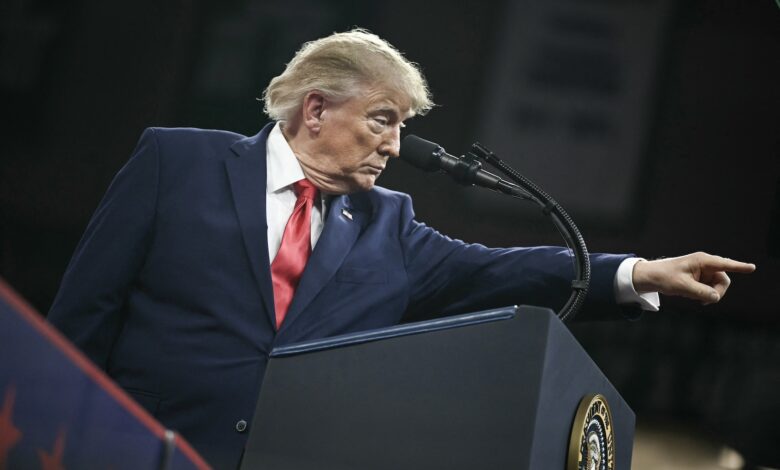
The persistent high prices have driven the White House to deploy a series of aggressive economic and regulatory interventions. President Donald Trump has relaxed operational rules for commercial truckers, approved an $8 billion relief package for farmers, and reached a deal with Russian President Vladimir Putin to ease fuel sanctions—a move that has drawn legal challenges from critics. On Friday, the first shipment of Russian oil departed on a tanker bound for the United States.
Despite these policy adjustments, energy analysts remain doubtful that short-term relief is achievable. Experts note that administrative measures aimed at immediate relief often discount long-term economic consequences without delivering near-term market stabilization.
Simultaneously, active hostilities in the Middle East show no signs of abating. In a single night recently, at least seven commercial oil tankers sustained damage from Iranian attacks or naval mines within the Strait of Hormuz, marking what is believed to be the highest single-day count of vessel damage in the vital waterway since the war began.
Addressing the duration of the conflict, Mike Waltz, the U.S. ambassador to the United Nations, stated in an interview published Friday that the United States could remain locked in a stalemate with Iran a year from now. Waltz asserted that the president and the U.S. Navy possess the capability to maintain naval blockades on Iranian ports for the foreseeable future while the administration continues to intensify economic pressure. While expressing hope that Tehran might eventually engage in meaningful diplomatic negotiations, administration officials have not outlined a timeline for resolving the military standoff.