While Halloween around the globe typically brings out an array of ghosts, goblins, and cinematic monsters, an alternative celebration in Japan has carved out a unique niche by honoring the utterly ordinary. Known locally as Jimi Halloween—translating to plain or mundane Halloween—the event challenges participants to ditch traditional spooky attire and instead dress up as hyper-specific, everyday characters and mundane situations that often go entirely unnoticed.
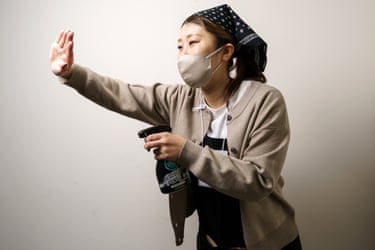
Rather than competing for the most terrifying look, attendees lean into observational humor and creativity, crafting elaborate costumes that capture fleeting moments of daily life. Among the participants documented at the gathering, Okano chose to portray a shop assistant giving customers a quick spray of deodorizer on their way out, while Non physicalized the modern corporate aspiration known as work-life balance. Aoi opted for a practical approach, dressing as a traffic marshal directing heavy machinery and buses.
Pop culture and current affairs also find unique expression through the lens of the ordinary. A participant dressed as the recognizable Nintendo Switch logo, while Mei tackled a more topical economic concept by wearing a costume representing a naphtha shortage. Performance art is equally prominent; Sakura Fujikawa performed a character described as someone who finds a faucet so beautifully designed that they cannot bring themselves to actually turn on the water.
Other attendees focused on micro-habits and social niceties of daily existence. Moe dressed as someone strictly determined to avoid getting any sun, and Nakagawa performed the universally relatable social dilemma encapsulated by the question, May I recline my seat? Meanwhile, Hubonsha offered a modern twist with a costume depicting AI-generated mapo tofu.
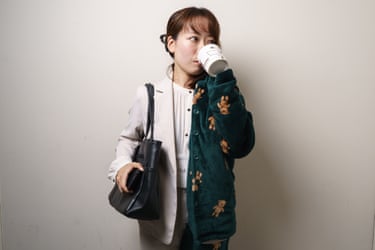
The festival also embraces cozy domesticity and romantic ideals. One participant dressed simply as someone who is about to go to bed, whereas Kasane and Yuki Moe teamed up to perform as a couple straight out of a fictional story. Historical and cultural touchstones also appeared, such as Yasuharu Awaji wearing a costume representing the era before Uber Eats.
As with any satirical or themed gathering, the event welcomes gentle self-awareness. Hachori leaned into the meta-humor of the celebration by wearing a costume explicitly labeled as someone who completely misses the point of Mundane Halloween.