Bolivian President Rodrigo Paz has signed a nationwide decree declaring a state of emergency to mobilize resources and rescue teams against the intensifying impacts of the El Nino weather phenomenon.
The emergency decree, enacted on Saturday, authorizes increased deployments of rescue personnel to regions suffering from severe flooding and agricultural drought. President Paz warned that the climate pattern brings exceptionally severe consequences and called for unified institutional support across the country.
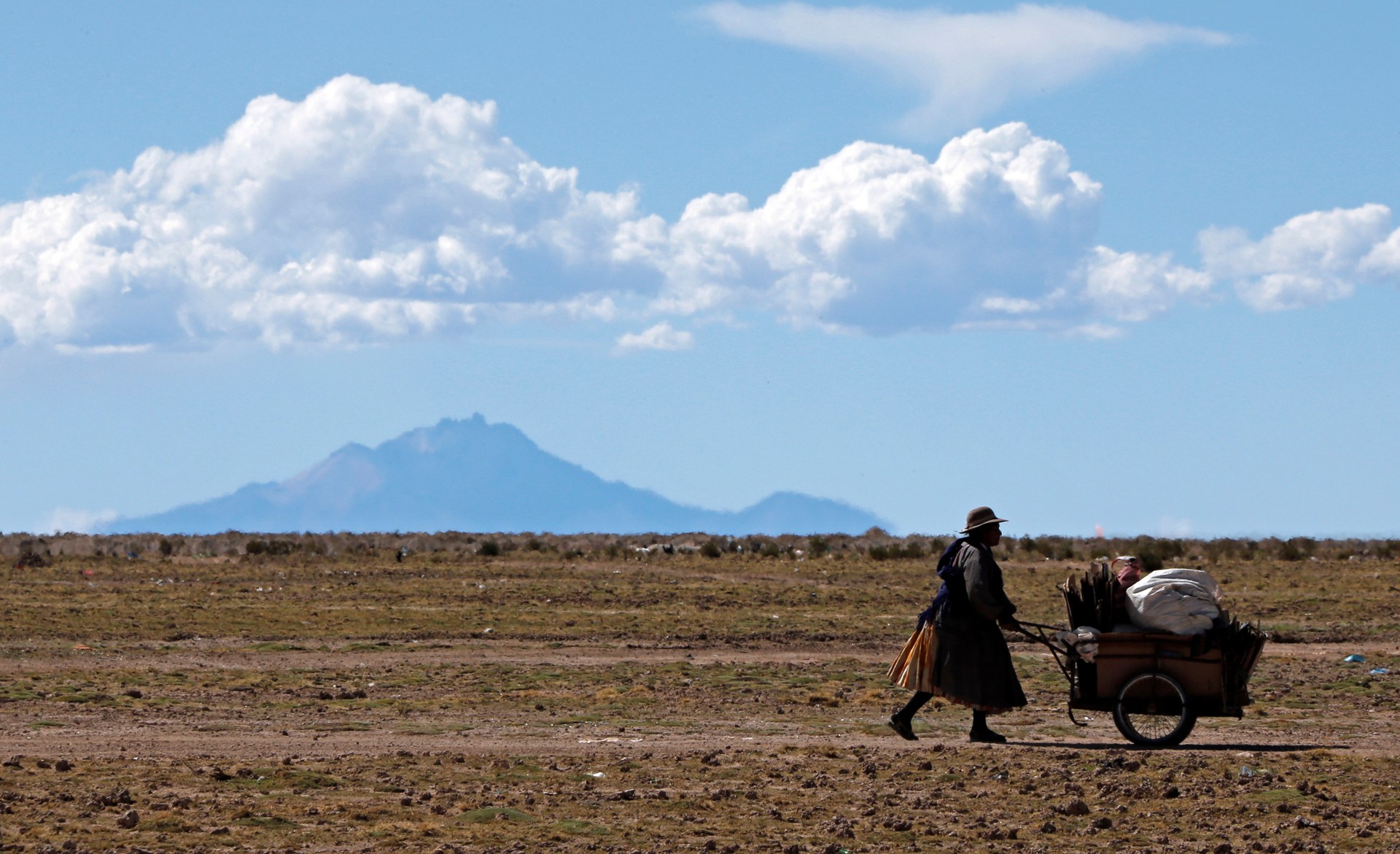
Government data released this week indicate that ongoing drought conditions are currently impacting 78,000 families across six of Bolivia’s nine departments. The dry spell has also resulted in the loss of more than 75,000 cattle.
Bolivia faces recurring vulnerability to extreme weather events. In December 2025, severe flooding in the Santa Cruz region resulted in dozens of deaths. Regional weather extremes have also affected neighboring South American nations, with Santiago, Chile, recording its wettest October on record, and wildfires in Peru claiming the lives of at least 12 people last month.

El Nino is a natural global climate cycle driven by warming in the Pacific Ocean that alters worldwide wind, pressure, and rainfall patterns every two to seven years. While intensity varies by geography, scientists warn that the current cycle could emerge as the strongest in recorded history. The phenomenon is projected to peak at the end of 2026 while its disruptions persist well into 2027.
Global scientific bodies have underscored the severity of the ongoing cycle. In early September, the World Meteorological Organization reported a near-certain likelihood that El Nino conditions will continue through February 2027. Researchers globally project that the climate pattern could cause more than 450,000 deaths worldwide, with developing nations expected to bear the heaviest toll.