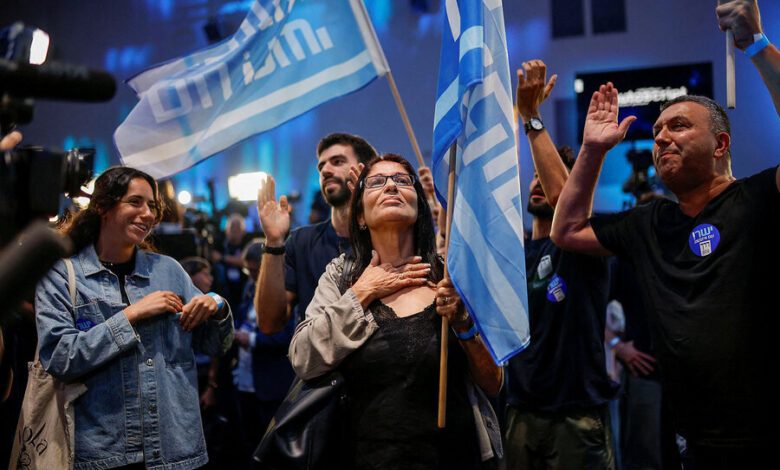
Israel woke to a murky political landscape following national elections that left the country facing deep parliamentary deadlock. With nearly 85% of the votes tallied, neither Prime Minister Benjamin Netanyahu and his allies nor an opposing bloc of Jewish parties secured an outright majority in the 120-member Knesset, the nation’s first parliamentary vote since the Oct. 7, 2023, attack by Hamas.
Late exit polls initially suggested Mr. Netanyahu’s opponents held a commanding position, but subsequent results indicated the prime minister’s Likud party and its allies were projected to capture significant support, though still short of a governing majority. Mr. Netanyahu’s outgoing coalition of religious and ultranationalist parties dropped from 68 seats to a projected 54 seats, marking a notable setback for a leader who has dominated Israeli politics for decades. Meanwhile, parties opposed to the prime minister were projected to capture up to 66 seats, while Yashar party leader Gadi Eisenkot and his allies were slated to win 48 seats.
Tuesday’s election served as a referendum on Mr. Netanyahu’s prolonged tenure, his administration’s handling of the Gaza conflict, the hostage crisis, wars in Lebanon and Iran, an attempted judicial overhaul, and rising West Bank settler violence. The campaign itself was marked by intense rhetoric, including AI-generated advertisements, warnings regarding Iran, and sharp political division.
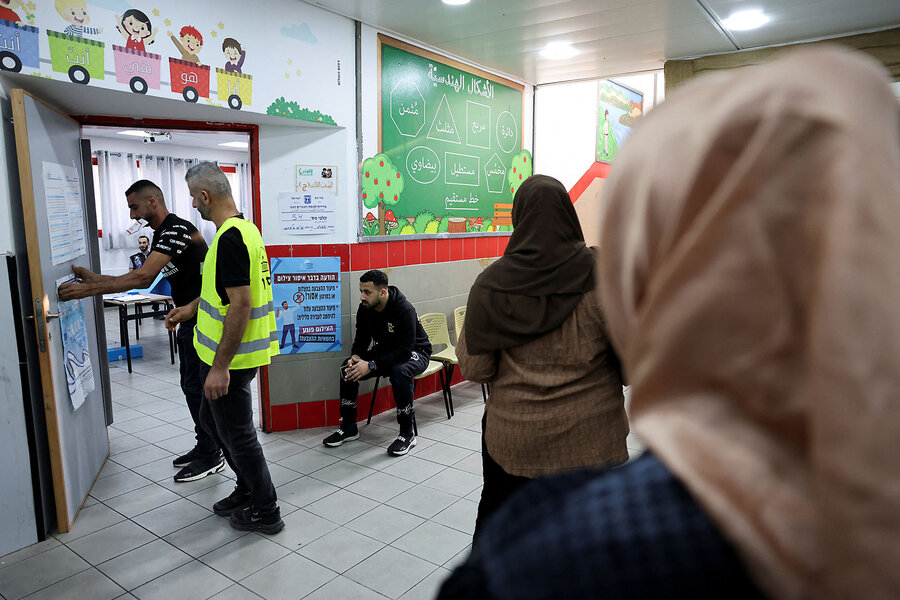
A historic element of the vote emerged from Israel’s Arab citizens, who turned out in unprecedented numbers amid growing frustration over the war in Gaza, settler violence, and domestic crime rates in Arab communities. Arab parties were projected to win as many as 19 seats, positioning them as potential kingmakers depending on whether they are integrated as full partners in government formation.
Three primary scenarios have emerged as party leaders prepare for weeks of negotiations over key issues, including ultra-Orthodox military enlistment, religion-state relations, and Mr. Netanyahu’s ongoing corruption trial and fitness to serve.
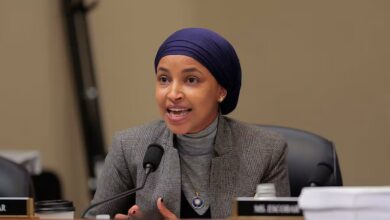
The first scenario involves a potential Jewish-Arab coalition. While key anti-Netanyahu figures such as Naftali Bennett of B’Yachad and Avigdor Liberman of Yisrael Beytenu previously pledged not to form a government supported by Arab parties lacking a Zionist ideology, more liberal figures have welcomed the prospect. Yair Golan, leader of the Democrats, argued that the country must reject divisions between Jewish and Arab votes to form a change government. Conversely, Likud issued a statement less than 24 hours after polls closed charging that the election was stolen by Arab parties through bribery, threats, violence, and fraud, and called for an official investigation. Arab party leaders, including Joint List head Yousef Jabareen, expressed readiness to help depose the current administration through equal partnership.
Sara Yael Hirschhorn, a historian and political analyst at the University of Haifa, noted that such an alliance would require significant ideological concessions from both Arab parties and the Zionist opposition, while raising broader domestic and international questions regarding civic equality for Arab Israelis.
A second possibility involves a broad Zionist unity government, in which Mr. Netanyahu and Mr. Eisenkot set aside differences to form an administration independent of ultra-Orthodox, extreme-right, or Arab factions. Gideon Rahat, a senior fellow at the Israel Democracy Institute, suggested this scenario would require staunch opponents like Mr. Liberman and Mr. Bennett to reverse prior commitments against joining forces with Mr. Netanyahu, whose primary political objective remains retaining power.
A third outcome points toward repeat elections. Because the anti-Netanyahu opposition is projected to hold a majority, Mr. Eisenkot’s bloc and Arab parties could take immediate legislative action while coalition talks drag on. Discussions reportedly include replacing the Knesset speaker to control the parliamentary agenda and advancing bills to impose term limits or bar individuals facing criminal charges from serving as prime minister—steps that could invalidate Mr. Netanyahu from running again or establish a state commission of inquiry into the Oct. 7 attacks.
Final official results are expected in the coming days. Afterward, Israeli President Isaac Herzog will have one week to designate a lawmaker deemed most capable of assembling a 61-seat governing coalition. President Herzog urged party leaders to approach the process with an open mind, emphasizing that Israel must avoid returning to the cycle of repeat elections that saw the nation vote five times between 2019 and 2022.