In the final stretch of the election cycle, two prominent campaign advertisements have emerged as striking examples of opposing strategies and visions in American politics. Released days apart, the commercials from Michigan Democratic Senate nominee Abdul El-Sayed and Republican gubernatorial candidate Vivek Ramaswamy in neighboring Ohio present sharply contrasting approaches to voter engagement.
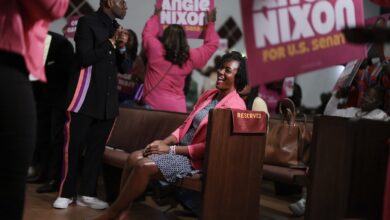
El-Sayed’s ad, entitled “Prayer” and released last Sunday, features the candidate speaking directly to the camera from a brown leather armchair while holding a coffee mug. The Michigan Democrat addresses the skepticism and anti-Muslim rhetoric that has shadowed his candidacy, including unfounded accusations from his Republican opponent, former Representative Mike Rogers, and disparaging remarks from figures such as Senator Tommy Tuberville of Alabama. The ad incorporates visual snapshots of El-Sayed standing with voters, joining hands in prayer with Black churchgoers, and visiting interfaith spaces, connecting his Muslim faith to a broader call for public service and civic unity.
By embracing his religious identity openly, El-Sayed joins a growing cadre of politicians from the religious left, including Christian and Jewish lawmakers nationwide, carving out space for Muslim participation in public life. The commercial attempts to reframe the closing days of a tight race around a message of inclusion and protection for voters.
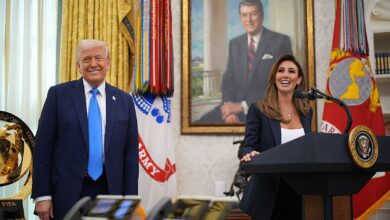
In stark contrast, an ad released just 24 hours later in Ohio by gubernatorial candidate Vivek Ramaswamy launched a deeply personal attack on his Democratic opponent, Dr. Amy Acton. The commercial features Donna Arthur, Acton’s estranged mother, who accuses her daughter of dishonesty. Acton and her brother have been estranged from their mother since 1978, when Acton, then 12 years old, accused her stepfather of raping her. Court records show the stepfather was arrested and charged but fled the state before trial, while Donna Arthur supported her husband and labeled her daughter a liar, prompting child welfare authorities to remove Acton and her brother from her custody.
Acton’s campaign released a statement from her brother standing by her account and condemning the campaign spot. Nevertheless, national Republican figures rallied behind the ad. Vice President JD Vance praised Ramaswamy for running the commercial, while Donald Trump posted on social media calling the ad an example of hitting pay dirt and criticizing the Democratic candidate.
Meanwhile, outgoing Ohio Governor Mike DeWine and former Representative John Kasich joined critics who decried the commercial and called for its removal. The juxtaposition of the two ads underscores a widening divide over political discourse, framing the choice before voters around fundamental questions of empathy, public service, and the boundaries of campaign conduct.