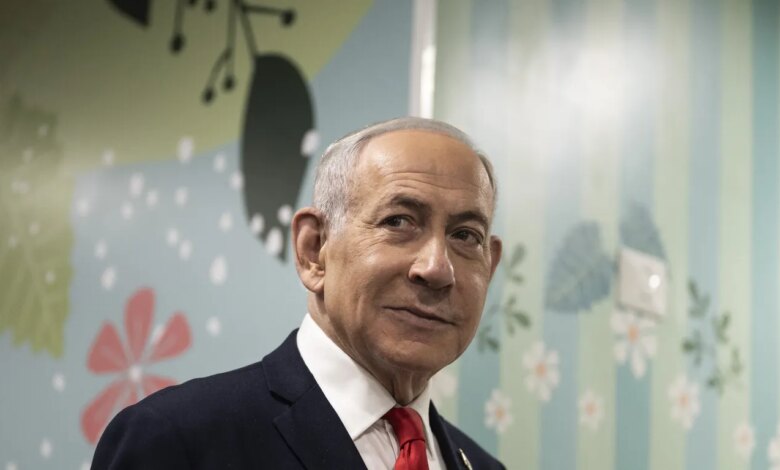
Israeli Prime Minister Benjamin Netanyahu’s electoral coalition has established a substantial lead over the opposition bloc led by Gadi Eisenkot as vote counting reaches 85 percent. Although Netanyahu outperformed initial exit polls that previously favored Eisenkot’s coalition, neither political alliance is on track to clear the 61-seat threshold required for a parliamentary majority, paving the way for weeks of complex negotiations over the country’s next government.
Netanyahu emerges from the contest diminished but politically resilient, with his bloc pacing toward 53 seats—marking a significant drop of 11 seats from his current parliamentary standing. Meanwhile, Eisenkot’s bloc trails at 48 seats, leaving both leaders without a definitive mandate to govern independently. While Eisenkot could theoretically attempt to establish a government backed by Arab parties, which are projected to secure a record 19 seats, political analysts view such an arrangement as highly improbable.
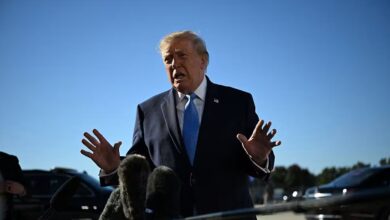
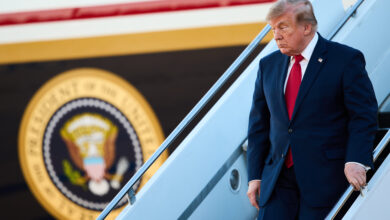
The official vote tally provided a substantial lift to Netanyahu compared to early projections. President Trump remarked in a Wednesday interview that while initial updates brought “horror reports” regarding Netanyahu’s standing, the incumbent prime minister is currently “in pretty good shape.” Trump credited his own endorsement with improving Netanyahu’s electoral fortunes, though he declined to comment immediately on whether he would intervene to help broker a unity government.
Approximately 500,000 ballots remain uncounted, including votes cast by soldiers, diplomats, and prisoners outside their designated voting areas. While these remaining ballots could marginally alter seat distributions within individual blocs, they are widely expected to leave the overarching balance of power unchanged.
In the coming week, Israeli President Isaac Herzog will initiate consultations with party leaders before formally granting a mandate to either Netanyahu or Eisenkot to build a government. Urging political cooperation, Herzog emphasized the necessity of avoiding another electoral cycle. Should both leaders fail to assemble a stable majority, a fresh round of elections could be scheduled as early as April.
Netanyahu has publicly dismissed the prospect of a unity government, advocating instead for a dedicated right-wing administration. To achieve a majority, he will likely attempt to persuade opposition figures to defect, despite pre-election pledges from opposition leaders ruling out such a move. Alternatively, Netanyahu could remain in office as a caretaker prime minister, a position that would preserve his authority over national security and foreign policy while granting his bloc additional time to resolve internal divisions and prepare for potential future contests.
Conversely, Eisenkot faces difficult strategic choices, including the risky option of forming a minority government dependent on outside support from Arab parties—a setup that could rapidly collapse and hand Netanyahu an advantage in subsequent votes. Regardless of the executive branch outcome, the opposition is well-positioned to seize control of key positions in the Knesset when the new parliament convenes next week. This leverage would enable Eisenkot and his allies to install a sympathetic Knesset speaker, dictate the legislative agenda, and advance major initiatives such as a national commission of inquiry into the security failures surrounding the October 7 attacks.