Israel Faces Political Gridlock and Government Formation Hurdles Following Inconclusive Election

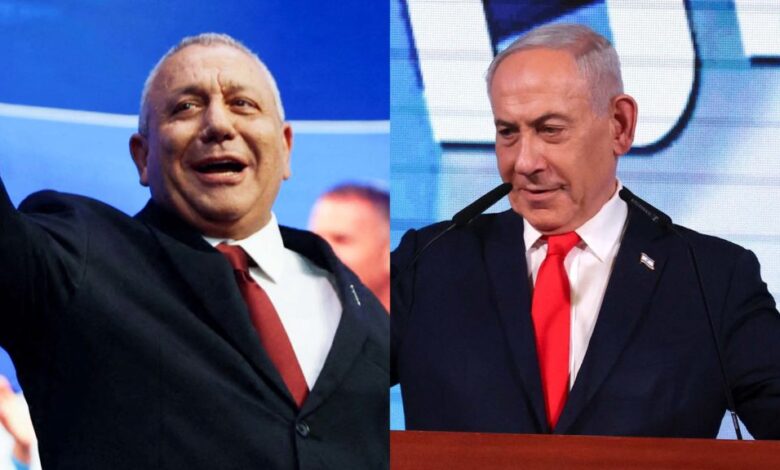
With nearly all votes counted in Israel’s latest general election, Prime Minister Benjamin Netanyahu and his allies have emerged as the largest bloc in parliament but fell short of the majority needed to form a new government. The outcome has plunged the nation into deep political gridlock, defying initial exit polls that had pointed toward an early lead for the opposition.
Netanyahu’s Likud Party secured the highest number of individual seats, and his broader coalition accumulated 53 seats in the Knesset. However, that total remains well below the 61 seats required for a parliamentary majority. Meanwhile, the opposition Change bloc captured 48 seats. A notable development in the tally was the performance of Arab parties, which secured 19 seats, bringing a substantial anti-Netanyahu contingent into the legislature.
While the combined totals of opposition factions and Arab parties theoretically exceed the 61-seat threshold, forming such a coalition remains fraught with domestic hurdles. Political resistance has historically run high against Jewish parties relying on Arab factions to sustain a ruling coalition, a sentiment intensified following the events of October 7. Opposition leader Eisenkot has publicly described his coalition as strictly Zionist, though observers note a technical possibility for Arab parties to lend outside support.
Next week, Israel’s president is scheduled to invite one of the blocs to attempt government formation. Netanyahu faces steep barriers to securing the necessary numbers; a Netanyahu official indicated that persuading a defector from Eisenkot’s coalition is considered impossible, and Eisenkot and his allies have categorically ruled out joining a unity government with Netanyahu, citing their staunch opposition.
Amid the stalemate, Netanyahu’s campaign has leveled accusations that Arab voters were attempting to steal the election. Israeli police responded by stating that there is no investigative substantiation to support the claim. Netanyahu himself has publicly called for the exclusion of Arab parties, emphasizing the necessity of establishing a right-wing national government rather than one backed by what he termed anti-Zionist Arab parties.
Beyond the immediate parliamentary impasse, questions loom over security decisions and Netanyahu’s political future. Prime Minister Netanyahu remains in office while acting with restraint, but analysts warn that coalition pressures could influence military posture. A U.S. official confirmed that Netanyahu previously pushed for attacks on Iran ahead of the election, a concern echoed by Israeli defense officials. These tensions prompted an extraordinary public warning from Eisenkot, who called on security and civil service chiefs to serve the state exclusively and warned Netanyahu against utilizing national security for personal political needs.
With unity government proposals rejected and coalition paths narrowing, political analysts suggest that neither side may ultimately succeed in securing a governing majority, potentially driving Israel toward yet another round of elections.