Under the mass deportation initiatives of President Trump’s second term, nearly one million people have been removed from the United States. While the vast majority are returned to their countries of origin, approximately 25,000 individuals have been sent to third countries—nations where many have never lived and whose languages they do not speak. Although third-country removals can be legal and have been utilized by past administrations, current operations are occurring at an unprecedented scale, according to a five-month investigation that uncovered cases where deportees were routed to nations where U.S. immigration judges previously determined they would face persecution or torture.
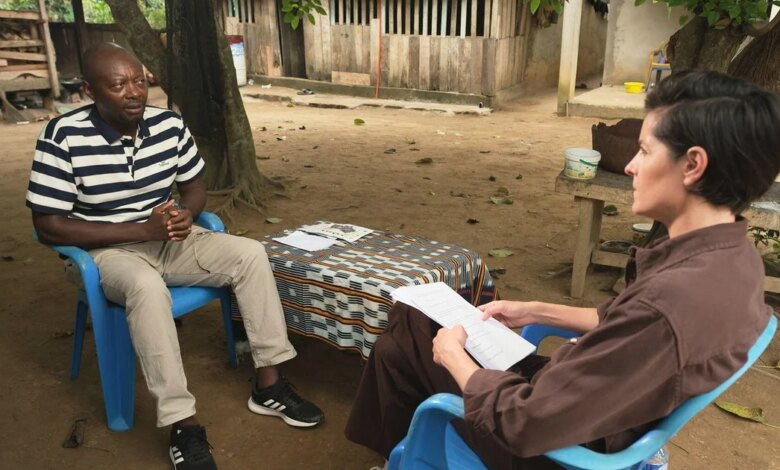
Among those affected is Moussa Diawara, a 57-year-old Uber driver who lived in the United States for 25 years with no criminal record. On July 11, Immigration and Customs Enforcement agents detained Diawara outside the Houston suburban home he shares with his U.S. citizen wife and children. Diawara originally entered the U.S. on a tourist visa that he overstayed, later applying for refugee protection by arguing he would face persecution if returned to war-torn Mali. In 2012, a U.S. immigration judge granted him withholding of removal, ruling he could be deported but specifically prohibiting his return to Mali. That legal protection allowed him to obtain a U.S. work permit.
Following three weeks in an ICE detention facility in Texas without access to a lawyer or a judge, Diawara was placed on a flight and deported to West Africa. On July 31, he landed in Ghana, a country where he had no personal connections. Upon arrival, he and other detainees were placed in a hotel under armed guard and blocked from making phone calls or contacting legal counsel. Within five days, Ghanaian authorities forced Diawara onto a flight back to Mali. Having converted to Christianity, Diawara found himself homeless, broke, and hiding in a Muslim-majority nation grappling with an Islamist insurgency, sleeping on a bench before escaping to an undisclosed neighboring country with the help of local truckers.
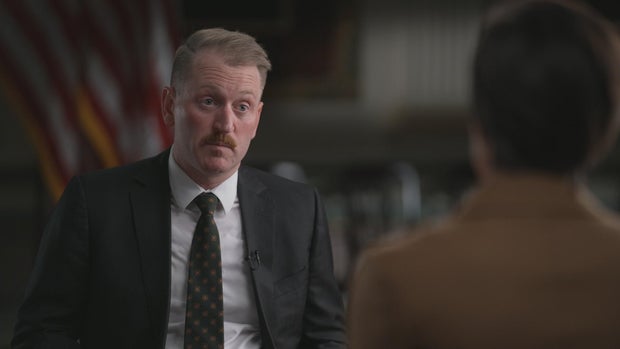
Department of Homeland Security officials defended the removals, stating that Ghana had provided diplomatic assurances regarding Diawara’s safety and questioning the credibility of his persecution claims. James Percival, the top lawyer for the Department of Homeland Security, asserted that third-country deportations are widely misunderstood and vital for public safety. He noted that such removals are utilized when serious criminals cannot be repatriated to their home countries, or when aliens possess a form of relief requiring removal to a location other than their country of origin.
However, records and interviews indicate a different pattern for many on these flights. An examination of the manifest for the July 30 deportation flight carrying 63 individuals revealed that 19% faced criminal charges or convictions for offenses including theft, assault, drugs, and weapons possession. The remaining passengers had either minor traffic violations or no criminal record at all, including professionals such as nurses and mothers. Furthermore, reporting on 19 passengers sent to Ghana from that flight showed that 17 were quickly transported against their will to home countries from which U.S. judges had shielded them.
Evidence gathered during the removal process raised questions about coordination between U.S. and foreign officials. Diawara showed reporters a document and DHS-issued bag tags from his flight explicitly bearing the destination “Mali” rather than Ghana, categorized under a “special high risk charter” flight. While Percival stated he was unaware of such paperwork and DHS subsequently attributed the tags to contractor error and the medical form to a clerical mistake, immigration attorney Meredyth Yoon stated that the U.S. government was explicitly warned about Ghana’s conduct in a lawsuit last year yet proceeded to send 10 additional flights there.
Legal battles over the policy continue to unfold. A federal appeals court recently upheld a ruling in a class action lawsuit declaring the administration’s third-country policy unlawful because it denied deportees due process, though the U.S. Supreme Court has permitted the deportations to continue pending a December hearing. Meanwhile, attorneys for Diawara have petitioned a federal judge in Washington to order his return to the United States, where his wife, Barbara, and their two children await his possible comeback.