HHS Secretary Robert F. Kennedy Jr. Proposes Draft Policy to Ease Access to Unapproved Peptides

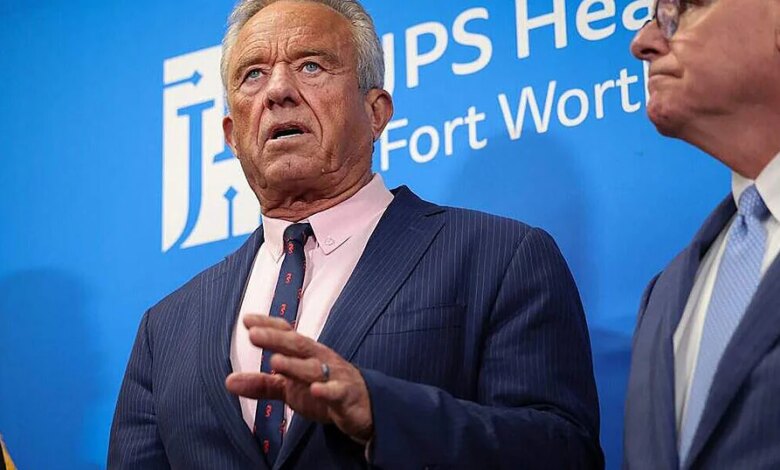
Health and Human Services Secretary Robert F. Kennedy Jr. has taken steps to widen access to specific unapproved peptide drugs marketed for wellness, filing a draft policy that would permit licensed compounding pharmacies to prepare six substances lacking formal Food and Drug Administration approval. The draft, filed Wednesday, covers the peptides BPC-157, Epitalon, KPV, MOTS-c, Semax, and TB-500.
Compounding pharmacies specialize in mixing ingredients to create customized medications tailored to individual patients. While the six targeted peptides do not carry FDA approval, they are frequently marketed with various health claims. Under the new guidance, the Department of Health and Human Services stated it “did not intend to take action” against licensed pharmacies or physicians that compound drug products using peptide bulk drug substances not found in FDA-approved medications.
Secretary Kennedy defended the measure as a balance between personal autonomy and public health. “By allowing limited compounding of the substances addressed in this guidance under appropriate safeguards, the policy provides patients with a more controlled alternative,” Kennedy wrote. He cited a July recommendation from an FDA advisory panel that voted in favor of allowing the six unapproved peptides in compounding, concluding the framework “advances patient choice and freedom while appropriately protecting patient safety.”
The advisory panel’s vote ran contrary to assessments from the FDA’s own scientists, who maintained there was insufficient evidence regarding the safety and effectiveness of each peptide to support such a decision.
To address safety concerns, the draft policy outlines regulatory requirements for compounding operations. Pharmacies must utilize an FDA-registered ingredient maker, obtain a laboratory certificate for raw ingredients, and submit reports concerning serious side effects. An HHS spokesperson emphasized that the guidance does not confer formal FDA approval or verify clinical safety and efficacy. Instead, the policy mandates patient-specific prescriptions, traceable ingredients, quality testing, and safety reporting intended to hold compounders accountable while steering patients away from unregulated sources.
The initiative follows broader scrutiny of unapproved peptide sales. Laboratory testing conducted on an experimental peptide weight-loss drug called retatrutide—purchased from a Brooklyn, New York, bodega—revealed that the sample contained no peptide at all. Separate reporting previously highlighted that dozens of clinics nationwide, staffed by licensed physicians and nurse practitioners, have openly advertised retatrutide despite its status as an unreviewed drug still undergoing clinical trials by pharmaceutical manufacturer Eli Lilly.
The newly filed draft policy opens for public comment on Friday and will accept feedback through Nov. 13. The temporary policy will remain active until the FDA finalizes a formal rule regarding compounded peptides, though the agency has not yet proposed one.