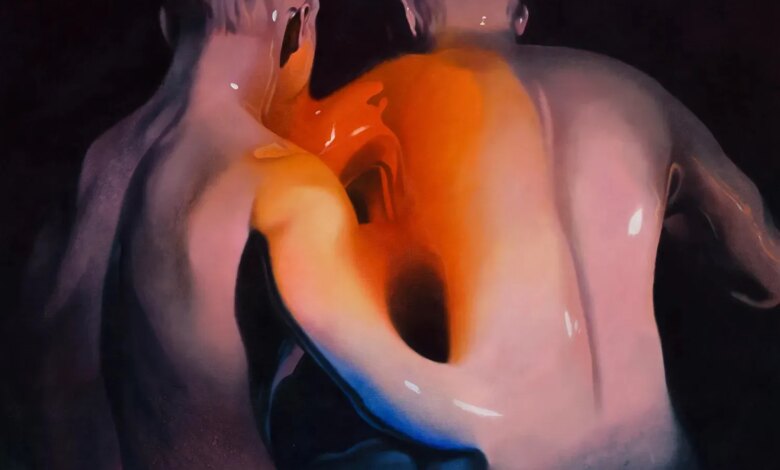
A nonprofit initiative launched in August is working to connect contemporary artists living and working inside Iran with the global art market. Titled “Continuum: Artist Relief for Iran,” the platform offers more than 500 original artworks by over 200 emerging and established creators for sale online. Participating galleries across the country have voluntarily waived their commissions, ensuring that 100 percent of the proceeds go directly to the artists.
The project emerged from a state of emergency described by organizers as an unprecedented network that gives curators, institutions, and collectors worldwide an opportunity to encounter contemporary Iranian art. Behind the effort are Dario Duran, founder of Duran Art Projects, and Mariam Rasti, an Iranian independent curator who has spent more than a decade directing artistic projects in the country.
Duran, born in Shiraz and raised in North America, returned to Iran roughly six years ago to immerse himself in the local scene and collect contemporary art. Rasti and Duran spent months on research and outreach to assemble a selection of new work spanning painting, drawing, photography, sculpture, installation, mixed media, and interdisciplinary practices.
The initiative developed organically after Duran and Rasti were displaced from their respective cities amid conflict and economic disruption. Exhibitions were being canceled, galleries were struggling to operate, and the already fragile connection between artists inside Iran and the international art world was worsening.

What began as an idea for a modest PDF featuring roughly 30 artists expanded rapidly after Duran sent an open letter via WhatsApp to colleagues abroad. Every person contacted responded with offers of assistance, prompting the curators to build a fully curated online exhibition. Duran notes that by the numbers, it is the largest online exhibition in the history of contemporary art in the country.
Communication remains a constant challenge due to intermittent internet throttling that makes VPNs unreliable and blocks applications such as Instagram and WhatsApp. Despite these hurdles, museum directors, major collectors, curators, and gallerists have reached out to establish connections with participating artists.

The initiative involves 20 galleries in Iran, many of which previously lacked consistent international visibility. While a handful of entities such as Dastan Gallery have established a presence at major international art fairs, artists working inside the country have far fewer opportunities for direct global exposure. Iranian-born gallerists, including Leila Heller, have also supported the program by sharing it with their networks.
Exporting artwork presents another significant obstacle, requiring what Duran describes as guerrilla methods. International shipping companies operating in Iran generally route cargo to neighboring countries such as Turkey or the United Arab Emirates before entering courier systems like DHL or FedEx. Because sanctions and flight restrictions change routes daily, couriers frequently rely on overland transport across the Iran-Turkey border.

Buyers cover all shipping costs, and while delivery can take three to six months due to unpredictable logistics, collectors have remained patient. The project has also received donated funds from U.S.-based foundations to acquire works for eventual donation to American institutions.
Beyond sales and visibility, artists face severe difficulties obtaining basic supplies. Art materials have become scarce and expensive, with analog photographers and painters reporting black markets for foreign paints and soaring costs for imported goods. Local alternatives often fail to meet professional standards.

Duran emphasizes that the initiative avoids reducing Iranian artists to narratives of trauma or war, nor does it ask them to produce explicitly political imagery. However, working under constraints and censorship imbues the artwork with layers that require careful engagement from viewers.
The initiative is scheduled to run in its present form through December, with its long-term future remaining open to evolving into a permanent network bridging Iran’s art scene and the global art world.