Israeli Prime Minister Netanyahu Outperforms Expectations in Election, Retaining Path to Power

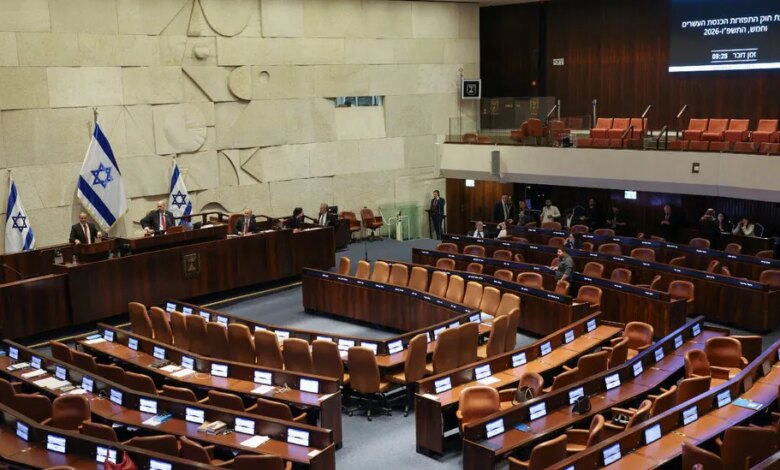
Prime Minister Benjamin Netanyahu fell short of an outright majority in Tuesday’s election, yet the political survivor has emerged with a strong path toward maintaining his grip on power. Mr. Netanyahu’s Likud party is set to remain the largest faction in the Israeli Parliament, outperforming pre-election polling that had signaled deep vulnerability. Meanwhile, his rivals—led by former general Gadi Eisenkot—secured less support than anticipated and remain politically fractured.
With neither major bloc securing the requisite numbers for a clear governing majority, analysts project weeks or months of potential gridlock. Such an outcome preserves Mr. Netanyahu’s position as caretaker prime minister until a new administration is sworn in or fresh elections are triggered.
The political standing of the 77-year-old leader marks a sharp contrast from his position following the Oct. 7, 2023, attacks led by Hamas, which resulted in 1,200 deaths in Israel and 250 hostages taken, igniting the ongoing war in Gaza. Critics previously blamed the prime minister for failing to prevent the security lapse, leading many to believe his decades-long political career was drawing to a close. However, Mr. Netanyahu avoided accepting personal responsibility, instead deflecting blame toward security chiefs, overseeing military campaigns in Lebanon and Iran that targeted major adversaries, and campaigning heavily on security concerns involving Israel’s Arab parties.
“Netanyahu is still in the driver’s seat,” said Natan Sachs, an expert on Israeli politics at the Middle East Institute, a Washington-based research group. “He’s still in control of most events, and that’s where he likes to be.”
Despite outperforming expectations, the prime minister faces significant hurdles. The hard-line coalition he assembled in 2022—characterized as the most far-right in the nation’s history—is projected to lose its majority in the 120-seat Parliament. Potential pathways to unseating him include Mr. Eisenkot forging a partnership with Arab parties, which achieved strong voter turnout. However, that alliance faces steep political barriers; while Arab leaders condemned the Oct. 7 assaults, many Jewish voters continue to view governing partnerships with Arab factions as unacceptable.
“Netanyahu knew he was going to have a weaker bloc. But he knew that his goal, even if he couldn’t get a 61-seat majority, would be to prevent his rivals from forming a government,” said Mazal Mualem, author of a biography on the prime minister. “And it seems he’s succeeded.”
Following initial exit polls, Mr. Netanyahu delivered a fiery overnight address on Wednesday pledging to establish a patriotic, strong, right-wing government. As the electoral map remains sensitive to slight vote shifts, the prime minister retains multiple options to sustain his leadership. One strategy involves blocking alternative government formations to force new elections, a prospect opposition parties would likely struggle to contest after expending significant resources on the recent vote. Another possibility includes pursuing a unity government, though Mr. Eisenkot has vowed not to serve under Mr. Netanyahu unless compelled by a national emergency, such as renewed hostilities with Iran.
Mr. Netanyahu could also attempt to recruit right-wing defectors from the opposition, including former allies who served in previous administrations, such as Naftali Bennett of the center-right Together party and Avigdor Liberman of the right-wing Yisrael Beitenu. Both leaders support Jewish settlements in the Israeli-occupied West Bank and avoided endorsing Mr. Eisenkot as prime minister. Nevertheless, renewing those alliances presents challenges due to past political friction and demands from both men for an independent commission of inquiry into the Oct. 7 security failures—an investigation Mr. Netanyahu has consistently resisted.