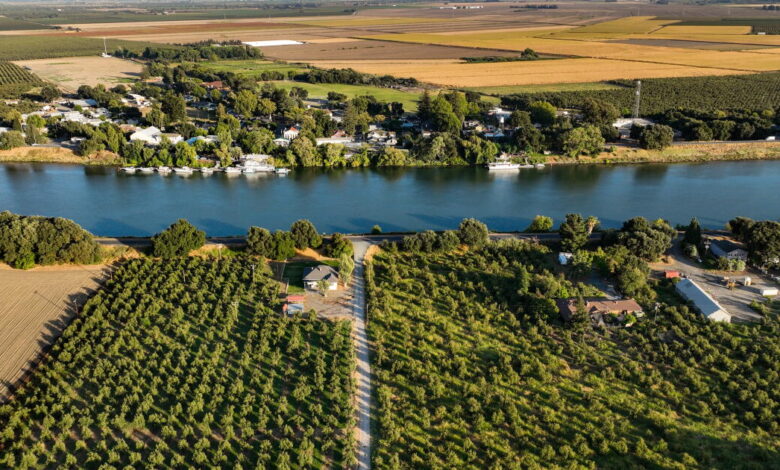
California regulators have adopted a controversial plan that overhauls how the state governs water pumping from the Sacramento-San Joaquin River Delta, the central hub of its vast water distribution network. The decision, finalized late Thursday after two days of intensive debate involving more than 200 participants, breaks from decades of traditional policy. Instead of forcing all water agencies to comply with strict, uniform limits to maintain minimum river flows, the new framework allows agencies to enter negotiated voluntary agreements. Under these deals, participants commit to specific environmental flows and contribute funds for habitat restoration projects.
The five-member State Water Resources Control Board approved the measure on a 4-1 vote, advancing a strategy that state officials have branded as the Healthy Rivers and Landscapes program. Board Chair E. Joaquin Esquivel described the policy as a modernized regulatory approach and a generational shift long overdue for the Bay-Delta ecosystem, which supplies water to nearly 30 million residents and 4 million acres of farmland. Nichole Morgan, the sole board member to vote against the adoption, noted her perspective as someone who grew up fishing in the Delta.

Supporters of the plan, including state officials, business groups, and major municipal water agencies, argue that collaboration offers a more effective path forward than rigid mandates. California Natural Resources Secretary Wade Crowfoot called the strategy a paradigm shift and the most durable, balanced way to secure water supplies while repairing environmental conditions. The Metropolitan Water District of Southern California, which serves 19 million people, also backed the framework. Nina Hawk, the district’s chief of Bay-Delta resources, termed it a landmark achievement centered on science-based decision-making.
Under the eight-year program, which takes effect next year, participating water agencies have pledged $2.9 billion and agreed to carry out restoration work across roughly 20,000 acres of floodplain habitat and more than 5,000 acres of tidal wetlands. Regulators retain the authority to revert agencies to traditional regulatory standards if the collaborative approach falters.

Opposition to the plan was swift and intense. Environmentalists, fishing advocates, and Native leaders filled the hearing room in Sacramento to denounce the measure, arguing it prioritizes agricultural exports over ecological preservation and will accelerate the decline of threatened species such as Chinook salmon, steelhead, green sturgeon, longfin smelt, and Delta smelt. Jon Rosenfield, science director for San Francisco Baykeeper, condemned the framework as an extinction plan, while Barry Nelson of the Golden State Salmon Association characterized it as a scam that will degrade the ecosystem.
Critics also targeted the heavy water demands of commercial agriculture, noting that roughly 80% of diverted water goes to farming, supporting major crops like almonds and pistachios. Max Gomberg of the nonprofit California Water Impact Network accused the board of choosing personal ambition over professional integrity.

Federal partners and major irrigation districts also raised serious objections. The Trump administration, which operates one of the state’s primary water systems through the U.S. Bureau of Reclamation, warned last month that the plan would restrict pumping too severely and stated it would not participate unless revisions are made, threatening hundreds of millions of dollars in federal funding. Meanwhile, the Westlands Water District, the largest irrigation authority in the Central Valley, announced plans to withdraw from the program, asserting that the state abandoned commitments negotiated in 2022.
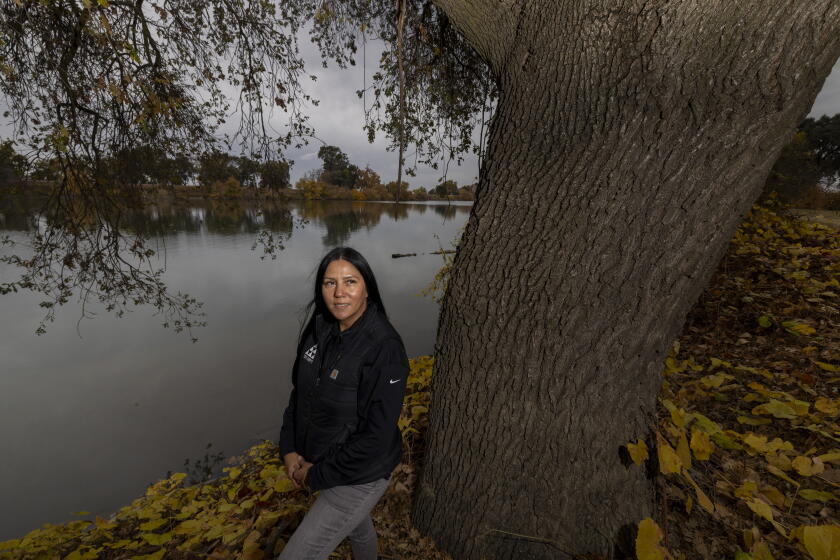
Tribal representatives voiced profound frustration during the proceedings, criticizing both the closed-door nature of the negotiations and broader state water policies, including a recent gubernatorial veto of a bill designed to grant tribes greater decision-making authority. Malissa Tayaba, vice chair of the Shingle Springs Band of Miwok Indians, told the board members they were on the wrong side of history. While Esquivel defended the plan’s inclusion of a tribal advisory committee and formal recognition of tribal water use, student activist Emoni Durham argued that officials remained more focused on politics than on indigenous communities.
The update marks the first major revision to rules governing the Sacramento River and the Delta since 1995. As climate change intensifies pressures on California’s water infrastructure, state regulators face the ongoing challenge of balancing human needs against the survival of the state’s native aquatic life.