California Republicans Pin Hopes on Steve Hilton as 20-Year Statewide Drought Looms Over 2026 Election

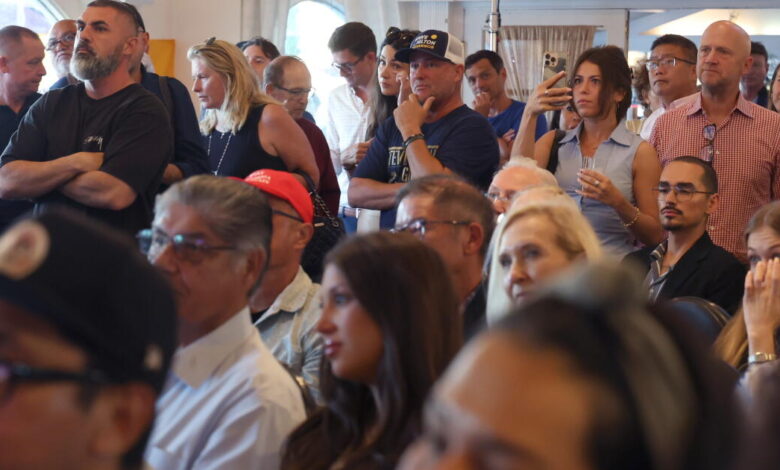
Two decades after the Republican Party last secured a statewide victory in California, the GOP faithful are grappling with a familiar mixture of stubborn optimism and mathematical despair. As the November 3 election approaches, the party finds itself attempting to break a historic drought in a political landscape that has become increasingly hostile to conservative candidates.
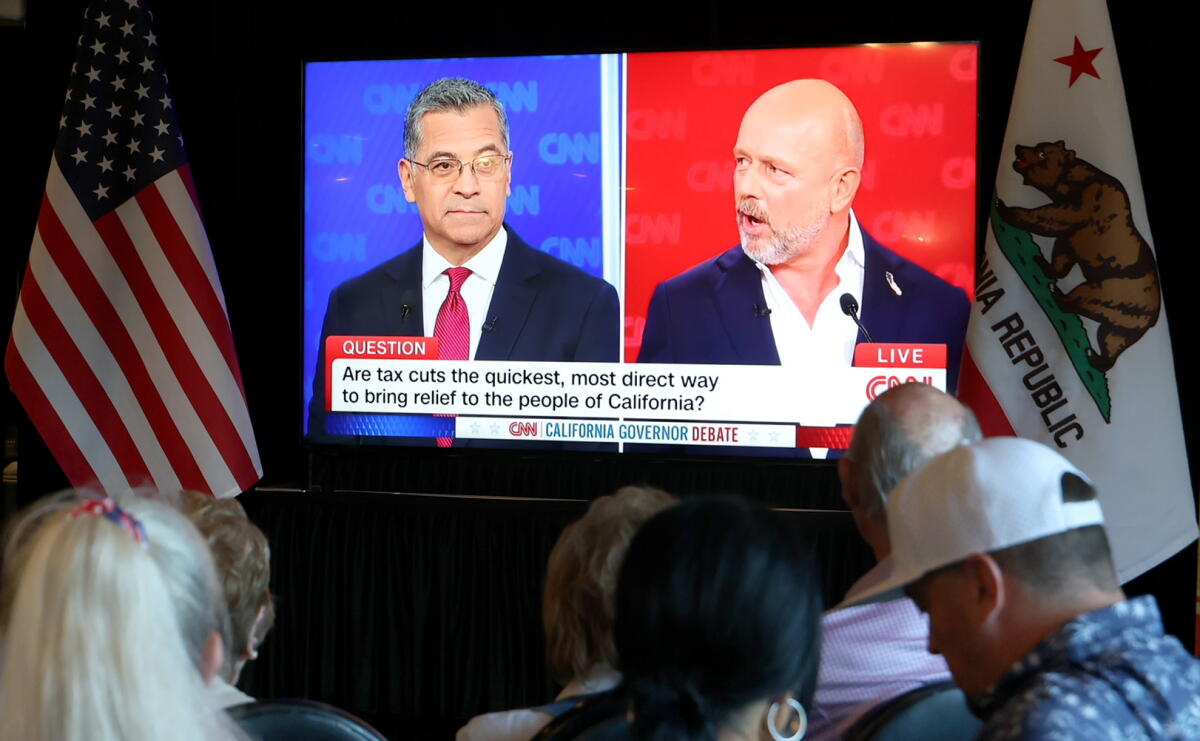
Steve Hilton, a former host and former advisor to the British government, stands as the GOP’s standard-bearer in the race to succeed term-limited Governor Gavin Newsom. Hilton faces Xavier Becerra, a veteran Democratic politician who previously served as the U.S. Secretary of Health and Human Services and California’s Attorney General. Despite the long odds, Republican voters like Annette Owens, a 65-year-old special education teacher from Orange County, are holding onto hope. Owens, who attended a recent campaign stop in Mission Viejo, said she is praying for a surge of support from voters who have stayed on the sidelines in previous cycles.
The hill to climb is steep. The 2026 election cycle appears particularly difficult for California Republicans, whose influence has eroded to super-minority levels in the state legislature over the last twenty years. The party faces systemic hurdles, including redistricting changes following Proposition 50 that eliminated several key GOP congressional seats. Nationally, the Republican brand is struggling with high inflation, the ongoing fallout from the war in Iran, and polling that shows President Trump’s popularity at historic lows within the state. A recent Berkeley Institute of Governmental Studies (IGS) poll placed the president’s approval rating in California at just 27%.
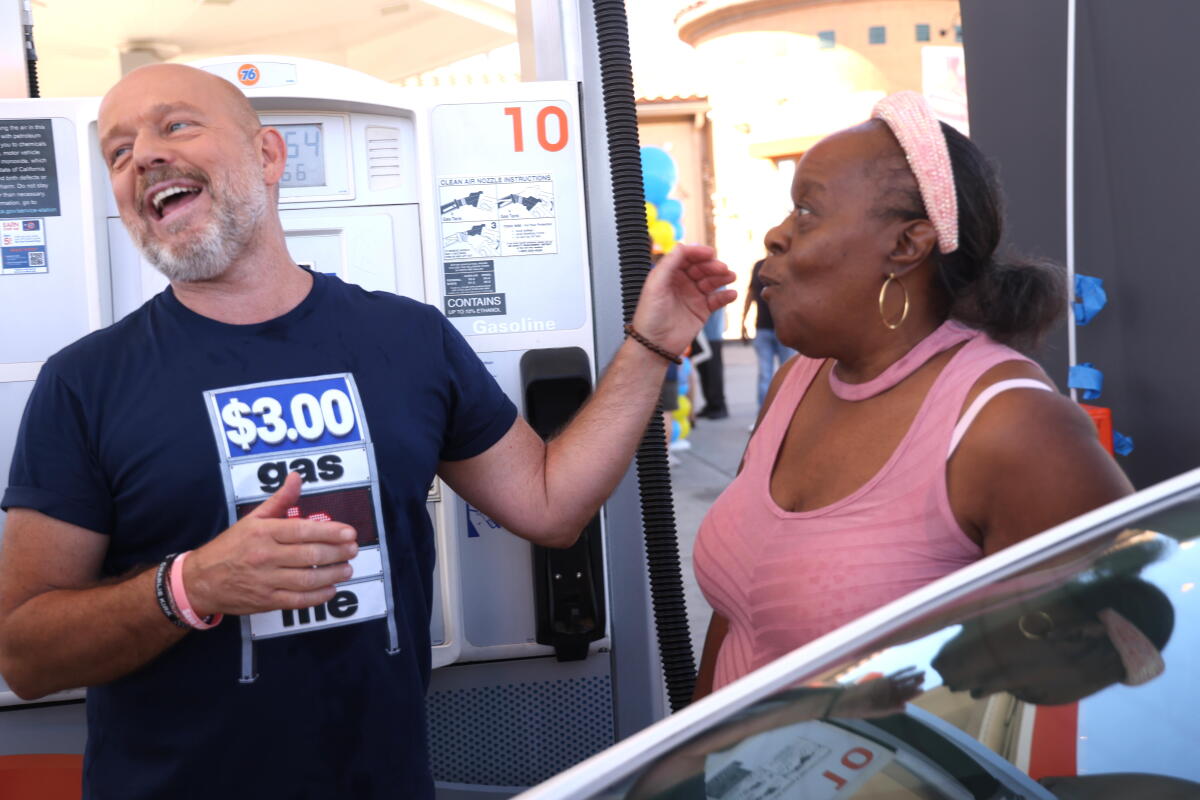
Hilton’s campaign strategy involves a delicate balancing act. While he holds a high-profile endorsement from Trump, he frequently shifts the conversation toward local economic grievances rather than national figureheads. During a meeting with several dozen women in Mission Viejo—an affluent enclave known for its Spanish colonial architecture and verdant golf courses—Hilton argued that 16 years of Democratic control have failed the state. He framed his potential administration as a corrective force that would encourage residents who fled the state’s high costs to return.
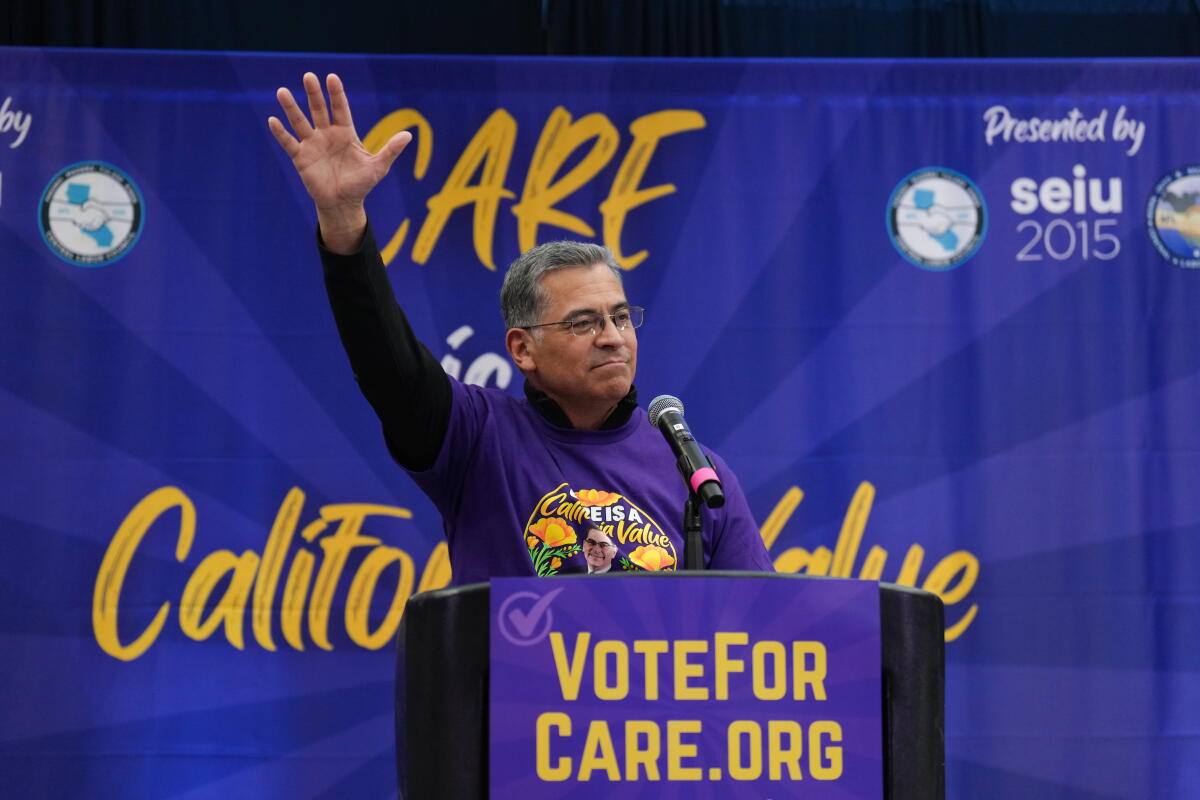
The candidate acknowledges the statistical reality of his position. Democrats outnumber Republicans nearly two-to-one in California, and independent voters—those with no party preference—consistently lean toward Democratic candidates in statewide contests. Established polling from the Public Policy Institute of California and the Berkeley IGS show Hilton trailing Becerra by more than 20 percentage points. Even Hilton’s internal campaign polls show him behind, though by a narrower margin.
Despite these numbers, Hilton claims a groundswell of private support is brewing. He points to voters like Rachel Darvish of Pacific Palisades, who joined the Republican Party following the devastating fires of January 2025. Darvish, who gained social media attention for a viral video in which she confronted Newsom over fire recovery efforts, represents a subset of voters who feel abandoned by the current administration. She described the 2026 race as one where the partisan label finally carries definitive weight for her.
The frustration among conservative and moderate voters is amplified by down-ballot races where the GOP has no presence at all. In the contest for Los Angeles Mayor, voters are choosing between incumbent Karen Bass and City Councilmember Nithya Raman. Darvish characterized the choice as one between “Satan and Lucifer,” ultimately deciding to support Bass only to prevent a candidate backed by the Democratic Socialists of America from taking office. Similarly, the race for State Insurance Commissioner features two Democrats—Jane Kim and Ben Allen—leaving some Republicans, like conservative commentator Jon Fleischman, to suggest they may skip that portion of the ballot entirely.
Addressing the pervasive concern over election integrity, Hilton has taken a measured stance that separates him from some of the more extreme rhetoric in his party. While he criticizes state-specific rules like ballot harvesting and the seven-day post-election window for mail-in ballots, he has pushed back against claims of systemic fraud. During an August town hall in Modesto, he told supporters that the party must accept when it simply fails to win enough votes rather than blaming cheating for every loss.
Hilton is banking on the “exhaustion” of residents like Summer Behan, a former Democrat who moved two hours away from her San Francisco-based nonprofit job to find stability. Behan told the candidate in Modesto that after her car was burglarized 14 times in 18 months and her homeowners insurance premiums quadrupled, she felt forced to sell her home. While many of her peers have moved out of state, Behan said she is staying to see if a change in leadership can restore the California she once knew.
With just weeks to go until the election, the Republican strategy remains focused on these individual stories of economic and personal hardship, hoping that personal frustration will eventually outweigh the state’s massive partisan registration gap.