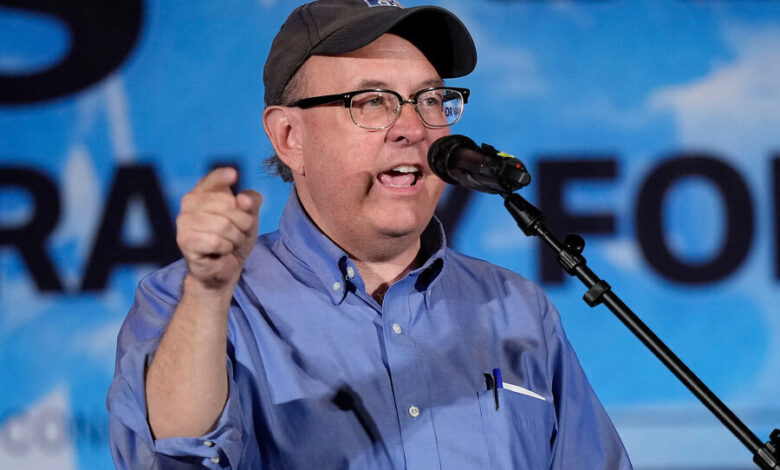
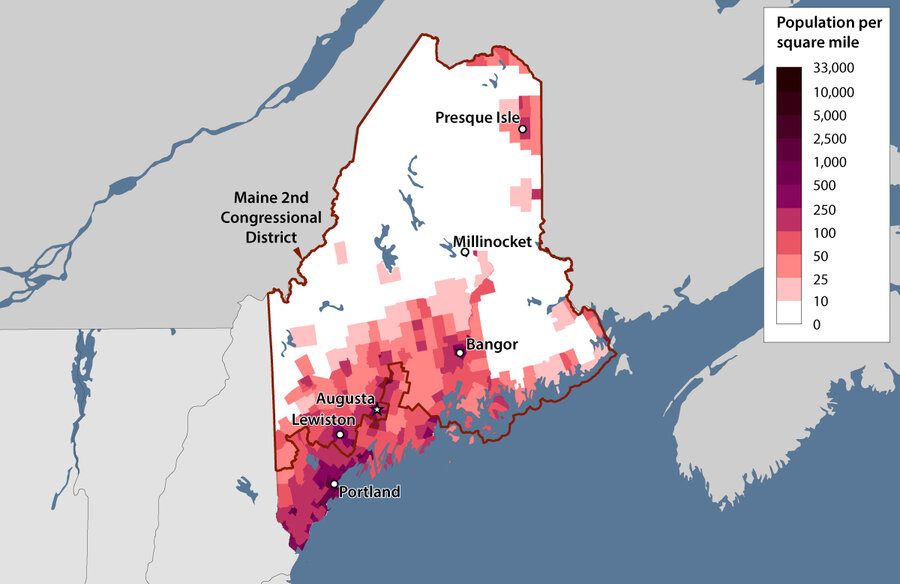
In the vast, mostly rural expanse of Maine’s 2nd Congressional District, a political experiment is unfolding that could redefine the Democratic Party’s strategy for winning back the American heartland. For years, the district—the largest east of the Mississippi River—was represented by Jared Golden, a moderate Marine veteran who frequently crossed party lines. But with Golden stepping aside, the race to replace him has transformed into a sharp ideological battle between a progressive Democrat and a firebrand Republican former governor.
State Auditor Matt Dunlap, a Democrat who embraces a populist, left-leaning agenda, is facing off against former GOP Governor Paul LePage. The contest is more than a local skirmish; it is a vital test case for whether a progressive platform can resonate in a district that Donald Trump carried by nine points in 2024. While national attention has largely focused on the state’s Senate race between Republican incumbent Susan Collins and Democratic challenger Troy Jackson, the House race in the 2nd District offers a window into the shifting alliances of rural voters.
Dunlap’s candidacy is a departure from the “Blue Dog” moderation that long defined successful Democrats in this region. He is running on a platform that includes government-provided healthcare and childcare, funded by higher taxes on the wealthy. Unlike many urban progressives, however, Dunlap is a lifelong outdoorsman who opposes assault rifle bans—a position he says is essential for a district where hunting is a cultural staple. He describes himself as a “bureaucratic nerd,” drawing on his 14 years as Secretary of State and his current role as State Auditor.
During his time as Secretary of State, Dunlap gained national attention when he sued the Trump administration after serving on a short-lived commission investigating voter fraud. Dunlap argued the commission was disbanded because it failed to find evidence, and he successfully fought to make its findings public. Now, he is attempting to translate that record into a congressional win by arguing that rural voters are not hostile to government, but rather frustrated by its failure to address their economic struggles.
“People say, ‘Well, how do you win in a district that voted for Trump three times?’” Dunlap said during a recent campaign stop. “I say they didn’t vote for Trump three times because they were happy. They’re very unhappy. And that’s why they vote that way.”
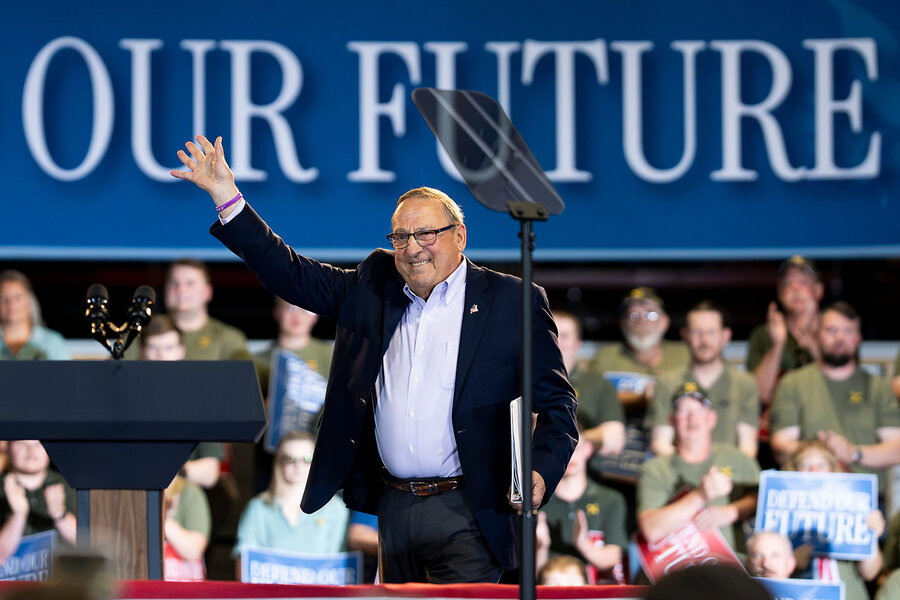
Standing in his way is Paul LePage, a man who famously described himself as being “Donald Trump before Donald Trump was popular.” LePage’s two terms as governor were marked by aggressive tax cuts, spending controls, and a confrontational style that frequently alienated his opponents. In this campaign, LePage has attacked Dunlap’s platform as “socialized medicine” and accused the State Auditor’s office of failing to stop fraud in the state’s Medicaid system.
The economic anxiety of the district is palpable, particularly regarding the cost of living. Approximately half of Maine’s households rely on heating oil, the highest percentage in the nation. As winter approaches and costs remain high, the issue has become a political cudgel. Dunlap has frequently mocked LePage for spending his winters in Florida, comparing the former governor to a “raccoon that gets hit by a car” when confronted with questions about his residency and the struggles of Mainers facing high heating bills.
Despite the clear ideological lines, Dunlap faces internal party friction. Outgoing Congressman Jared Golden has notably declined to endorse him. Golden, who retired citing the “plain nastiness” of modern politics, recently suggested to local media that Dunlap’s campaign seemed more focused on finding someone to blame for a potential loss than on winning.
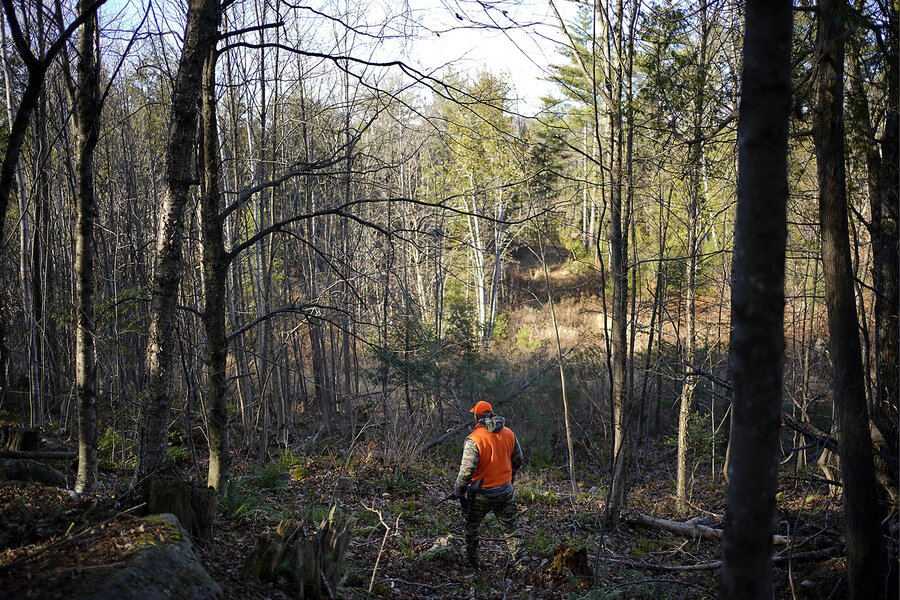
However, Dunlap’s supporters point to his ability to connect with voters on issues like gun rights as a sign that he can bridge the gap. In one campaign advertisement, Dunlap is shown as a sportsman, a move intended to distance him from the national Democratic party’s stance on firearms. He has stated he would even vote against a Democratic-authored assault weapons ban if he felt it wouldn’t reduce violence.
The race is currently a statistical tie, according to polling from September. As the election nears, progressives are looking at this race—alongside similar contests in states like Michigan—to prove that they can compete outside of urban liberal enclaves.
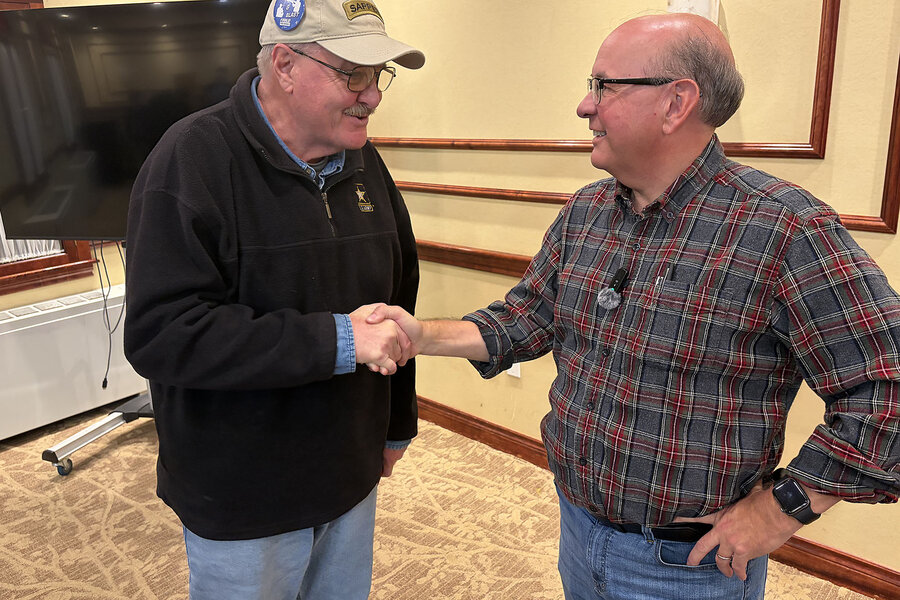
In Millinocket, at a brewery near the northern end of the Appalachian Trail, voters like Michael Scrooc are still weighing their options. A self-described fiscal conservative and social moderate who previously voted for Trump, Scrooc remains undecided between Dunlap and LePage. His primary concern, shared by many in the district, is a return to effective governance. “There has to be more common ground,” he said after questioning Dunlap on fiscal deficits and congressional stock trading. For Dunlap and the progressive wing of the party, the coming weeks will determine if their brand of populism is that common ground.