The Kingdom of Bahrain has announced $3.89 billion in new investments tied to four large-scale projects that received Golden Licenses during the Gateway Gulf 2026 forum. The initiatives span aviation logistics, real estate, and technology, reinforcing the nation’s strategy to expand its economic diversification and attract high-value global capital.
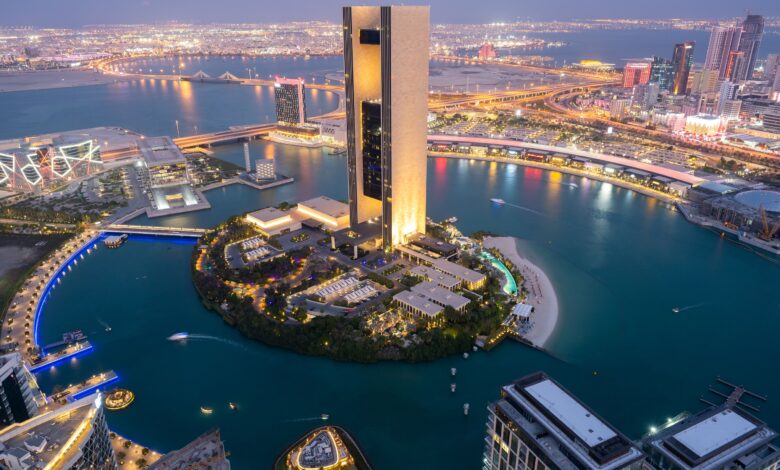
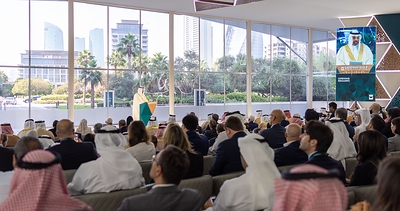
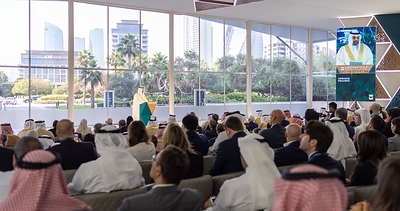
The fourth edition of the Gateway Gulf forum took place on November 1–2, 2026, at the Four Seasons Hotel Bahrain Bay. Hosted by the Bahrain Economic Development Board, the invitation-only event brought together more than 200 global ministerial officials, senior government leaders, chief executives, and international investors to evaluate partnership opportunities across the region.
The four newly certified Golden License initiatives cover distinct sectors designed to bolster infrastructure and commercial capabilities:
DHL is set to establish its first and sole regional maintenance, repair, and overhaul facility at Bahrain International Airport. The project reinforces the company’s commitment to its Middle East and North Africa hub in Bahrain, supporting its growing fleet and expanding global operational capacity.

Capital A, the parent company of AirAsia, is spearheading three major aviation ventures aimed at strengthening connectivity with Europe and the Far East. These initiatives will incrementally expand air cargo capacity through structured freight growth and enhance domestic aircraft maintenance capabilities, anchoring Bahrain’s status as a regional aviation center.
Infracorp and Meliá are partnering on a prominent waterfront development in Amwaj. The project will introduce a five-star hotel alongside Meliá-branded residences, adding to the Kingdom’s luxury tourism and lifestyle infrastructure.
Digital City Bahrain will build a next-generation technology hub dedicated to information and communications technology, innovation, and education. Supported by advanced infrastructure, the development aims to attract cluster technology firms, speed up sector growth, and strengthen the country’s digital ecosystem.
Government officials noted that these investments rely on Bahrain’s collaborative public-private framework, known as the Team Bahrain model, which coordinates government services and private enterprise to foster investment. The Bahrain Economic Development Board acts as a primary liaison between investors and regulatory bodies to facilitate long-term project execution.
This investment environment is supported by ongoing digitalization, modern regulations, and workforce development. Non-oil activities currently account for approximately 86% of Bahrain’s gross domestic product, providing a stable economic foundation for sustained growth across emerging sectors.