Rohit Chopra Warns Federal Regulators Are Unprepared for Potential Artificial Intelligence Economic Bubble

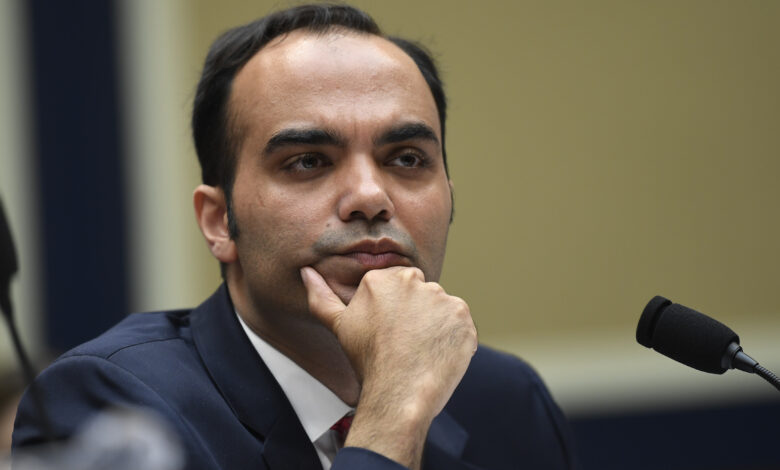
Former federal consumer protection official Rohit Chopra has warned that the federal government is ill-prepared to manage the potential fallout of an artificial intelligence investment bubble. Chopra, who served as a top watchdog under President Joe Biden before being ousted by President Donald Trump, argued that Washington lacks an adequate response plan should assumptions regarding sustained artificial intelligence growth fail to materialize.
Financial markets have faced growing scrutiny over the volume and complexity of interconnected financing arrangements sustaining the rapid development of artificial intelligence technologies. These market dynamics have sparked concerns that an investment-driven downturn could ripple through the broader economy. According to Chopra, cracks are already emerging in parts of the market, raising questions about hidden systemic risks and potential downside responses.
To address these vulnerabilities, Chopra plans to utilize his authority in his new role as California’s top financial and consumer protection watchdog. Appointed by Governor Gavin Newsom as the first secretary of the state’s Business and Consumer Services Agency, Chopra oversees state entities regulating banking, accounting, cannabis sales, and horse racing. He stated that his office will examine artificial intelligence-related financial risks and monitor consumer protection threats as businesses increasingly integrate automated tools into customer engagement and operations.
Chopra’s appointment places him at the head of an agency tasked with enforcing state laws that often parallel or exceed federal prohibitions. He noted a specific interest in the deployment of artificial intelligence agents within banking and finance, emphasizing that oversight will extend beyond basic fraud detection to broader systemic practices.
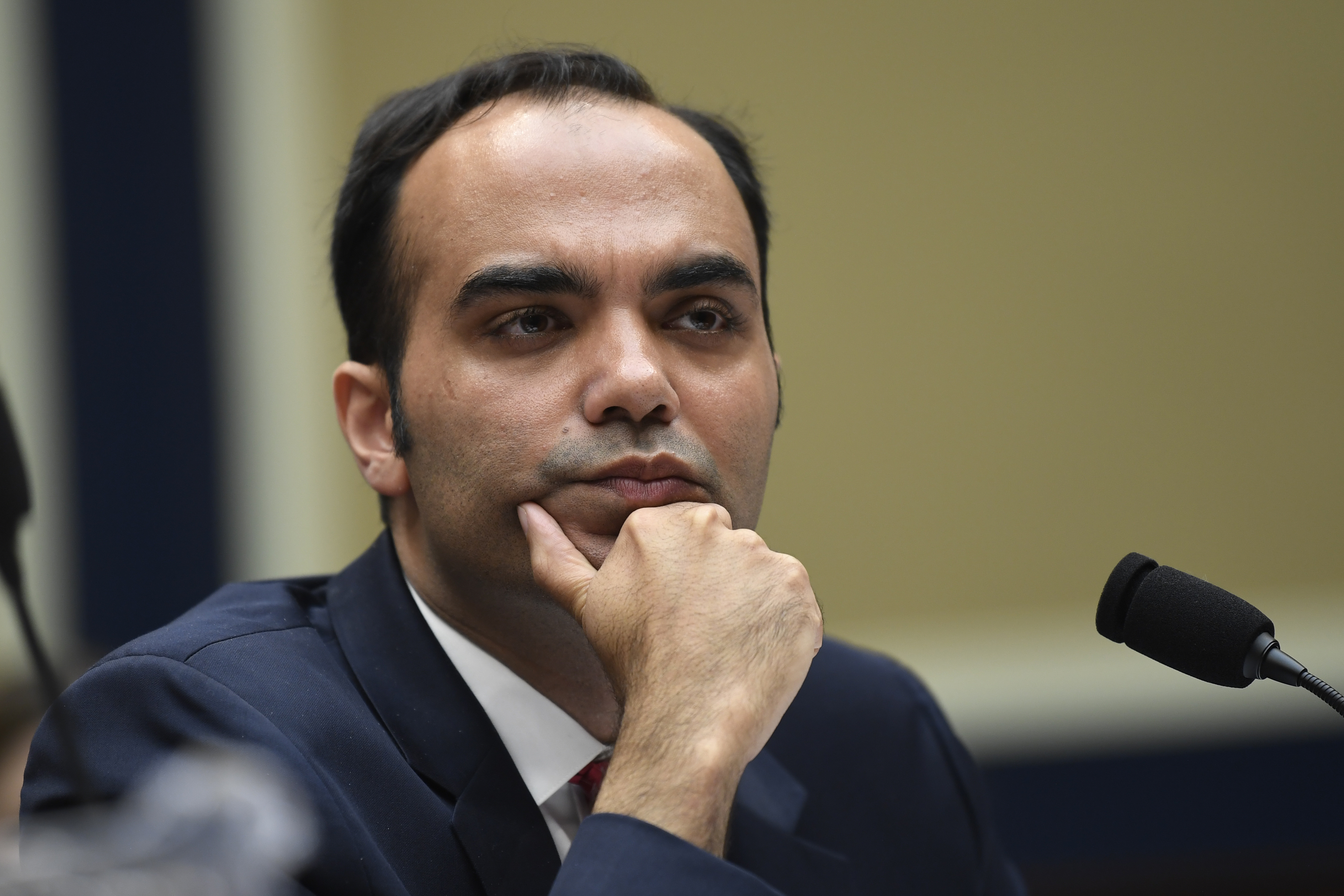
Federal officials have offered a different perspective on current market conditions. Treasury Secretary Scott Bessent told financial media that a recent credit tightening affecting certain artificial intelligence-related companies is not problematic. The White House subsequently directed inquiries regarding market stability to Bessent’s remarks.
Broader political and economic circles are increasingly echoing these financial concerns. Senator Elizabeth Warren published a letter to Anthropic CEO Dario Amodei, cautioning that the company’s anticipated initial public offering, projected to be the largest in history, could elevate both public safety and systemic financial risks. Additionally, former Biden economic adviser Jennifer Harris described the current artificial intelligence boom as reminiscent of pre-crisis economic conditions. Public opinion polling released in October by the Center for Shared AI Prosperity indicates that voters view the artificial intelligence boom as an investment bubble by nearly a 2-to-1 margin.
While positioning himself in state-level oversight, Chopra acknowledged his background in progressive economic policy circles and his past clashes with major financial and technology institutions during his tenure leading the Consumer Financial Protection Bureau. Former Federal Deposit Insurance Corporation Chair Jelena McWilliams previously criticized his approach to agency governance.
Reflecting on his career trajectory and willingness to engage in complex regulatory challenges, Chopra signaled openness to future federal roles if political leadership changes, emphasizing his history of stepping into turbulent economic environments.