For 49-year-old Angel Brownawell, attending K-Pop concerts offers a much-needed escape. Working a full-time job in the Washington, D.C., area while caring for her husband, who has Alzheimer’s, Brownawell treasures the immersive energy of live performances. Earlier this year, she purchased tickets to see South Korean soloist Lee Taemin in New Jersey, coordinating the trip so she could take time off work and stay with a nearby cousin without needing a hotel or extra caretaking arrangements. But in late September, just two weeks before the tour’s opening night, organizers announced that the entire North American leg of Taemin’s “LiMiNaL” world tour would be postponed indefinitely.
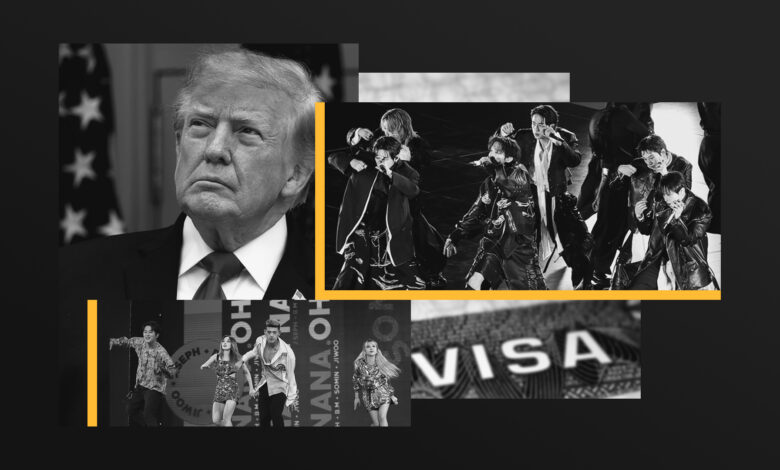
Now, Brownawell and thousands of other American fans find themselves in limbo. Hundreds of dollars remain locked up on credit cards with ticket refunds unconfirmed, while travel and lodging plans hang in the balance. The disruption to Taemin’s tour is part of a broader industry trend. Following decades of steady growth that brought Korean pop from a niche interest into mainstream American radio and social media, K-Pop acts are encountering a major roadblock: the U.S. legal immigration and visa system.

Under the second Trump administration, tightening domestic policies have placed heavier administrative hurdles on legal immigration pathways. Julia Gelatt, associate director of the U.S. Immigration Policy Program at the Migration Policy Institute, notes that restrictions extend well beyond mass deportations to include visa bans, intensified vetting of applicants, and the re-vetting of individuals already holding legal status. In early October, the State Department reported that more than 250,000 visas had been revoked during Trump’s second term due to violations, compared to 150,000 in August. Furthermore, overall immigrant visa issuances have fallen to half their previous rate since the administration took office, with South Korean applicants experiencing a 19% decline.
While approval rates for O-1 and O-2 work visas—which cover individuals with extraordinary ability such as K-Pop performers and their supporting crews—have remained relatively steady according to historical data, processing times have slowed significantly alongside rising fees. In April 2024, United States Citizenship and Immigration Services quadrupled visa fees for international artists. For large, multi-member groups like Seventeen, or independent acts signed to smaller entertainment companies with thin financial margins, these surging administrative costs and procedural bottlenecks make touring the United States a high-stakes financial gamble.

Industry disruptions have mounted steadily over the past two years. In 2025, the co-ed quartet KARD quietly canceled its North American tour due to delayed visa approvals for staff and performers, while boy band BE:MAX had to scrap a Minnesota concert after their entry visas were revoked at the airport. This year, organizers of the inaugural KPOPWorld Festival in San Antonio, Texas, postponed the star-studded event to 2027 because of ongoing visa delays.
Responding to inquiries about the restrictions, a State Department spokesperson maintained that the U.S. government is “unapologetic about implementing America First visa policies,” adding that foreign artists are welcome provided they meet all statutory requirements and follow proper procedures.

For artists and promoters, the current climate has raised questions about whether future tours will bypass the United States entirely in favor of markets in Canada, Mexico, or Europe, where entry logistics are less burdensome. Dedicated fans like Brownawell say they will approach future concert planning with much greater caution. Meanwhile, American K-Pop enthusiasts continue to wait for answers on delayed shows, wondering if the vibrant live connection they fought so hard to establish stateside is beginning to fade.