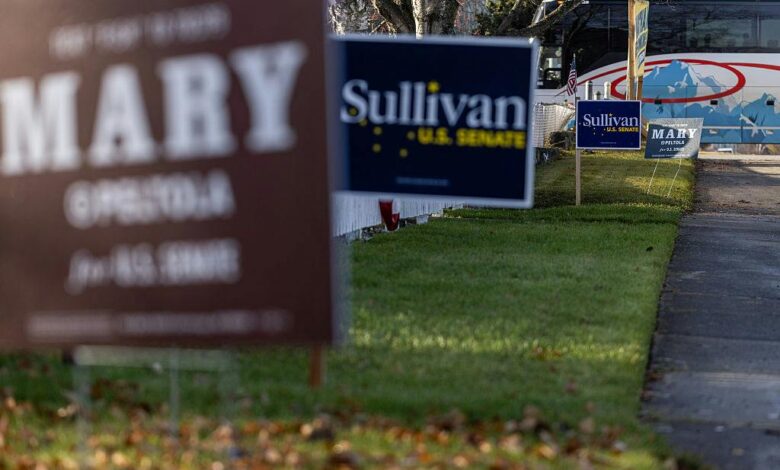
A strategic effort by political operatives in Alaska to recruit a candidate sharing the name of incumbent Republican Senator Dan Sullivan has thrust the state’s Senate contest into national scrutiny. The maneuver, described in recent reporting, was designed to create voter confusion and impact vote distributions in the Last Frontier’s electoral system.
The initiative, which campaign figures reportedly referred to as a “ballot composition project,” involved covert outreach across remote Alaskan communities. According to accounts of the effort, an operative utilized an alias while pitching potential candidates in local establishments. The search ultimately identified Dan J. Sullivan, a retired teacher from a fishing village in the Alaska Panhandle who had prior professional ties to Democrats, including Senate candidate Mary Peltola. Following the outreach, he registered as a Republican and filed paperwork to enter the Senate race.
The candidacy immediately triggered procedural challenges. Alaska’s Republican-led Division of Elections attempted to block his appearance on the ballot, deeming the filing misleading. However, the Alaska Supreme Court overturned that administrative decision on June 29, allowing the candidate to proceed. He subsequently secured 2.5% of the vote in the state’s nonpartisan top-four primary format, a system that permits candidates to list party affiliations without formal party endorsement.
The primary results introduced a further complication for Democratic strategists in the form of David Leslie, a fourth-place finisher whose presence on the ballot threatened to siphon votes away from Peltola. Following communications involving campaign lawyers and senior aides associated with the Democratic Senatorial Campaign Committee—led by New York Senator Kirsten Gillibrand—Leslie withdrew from the contest.
The ballot strategy has drawn intense legal and political reactions. On October 22, the U.S. Justice Department filed a lawsuit seeking to block Alaska from certifying a potential Peltola victory until an investigation into voter confusion can be completed. Meanwhile, political debate continues over the mechanics of Alaska’s election laws, including its ranked-choice voting model and open primaries, as candidates navigate the fallout from the ballot maneuver ahead of the general election.