Washington, D.C., and Virginia filed a joint lawsuit Saturday against the National Park Service and the Interior Department in a last-minute bid to halt construction on President Donald Trump’s proposed 250-foot triumphal arch. The Trump administration has indicated that construction could begin as early as next week, setting up a high-stakes showdown in federal court over executive authority and federal land use in the nation’s capital.
The newly filed complaint describes the project as flagrantly unlawful, asserting that it violates several bedrock statutes including the Commemorative Works Act, which mandates congressional authorization for memorials on federal land in Washington and its surrounding areas. The lawsuit further alleges violations of the Administrative Procedure Act, the National Environmental Policy Act, and the National Historic Preservation Act, claiming federal officials failed to adequately evaluate environmental and historical impacts or complete required consultations.
“In their rush to break ground on the Arch, Defendants have made only half-hearted gestures at complying with these requirements,” Virginia Attorney General Jay Jones and D.C. Attorney General Brian L. Schwalb wrote in the complaint, adding that officials have sought to outrun judicial review.
Jones emphasized the gravity of the legal challenge in a statement, saying, “The Commonwealth has a solemn duty and a profound interest in preserving the dignity of this sacred place. We will vigorously litigate to protect its sanctity and honor the legacy of those who made the ultimate sacrifice.”
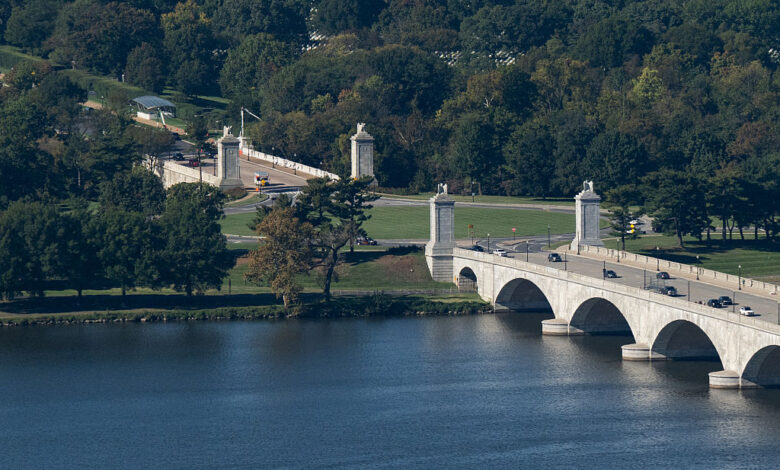
The joint state action is the latest legal hurdle facing the controversial monument. It joins two existing lawsuits, including Lemmon v. Trump filed in February by three Vietnam War veterans and an architectural historian who argue the arch would obstruct historic sightlines between the Lincoln Memorial and Arlington National Cemetery. The Arlington County Board filed a separate suit on Oct. 8, warning that construction would disrupt vital emergency vehicle routes and negatively impact the cemetery.
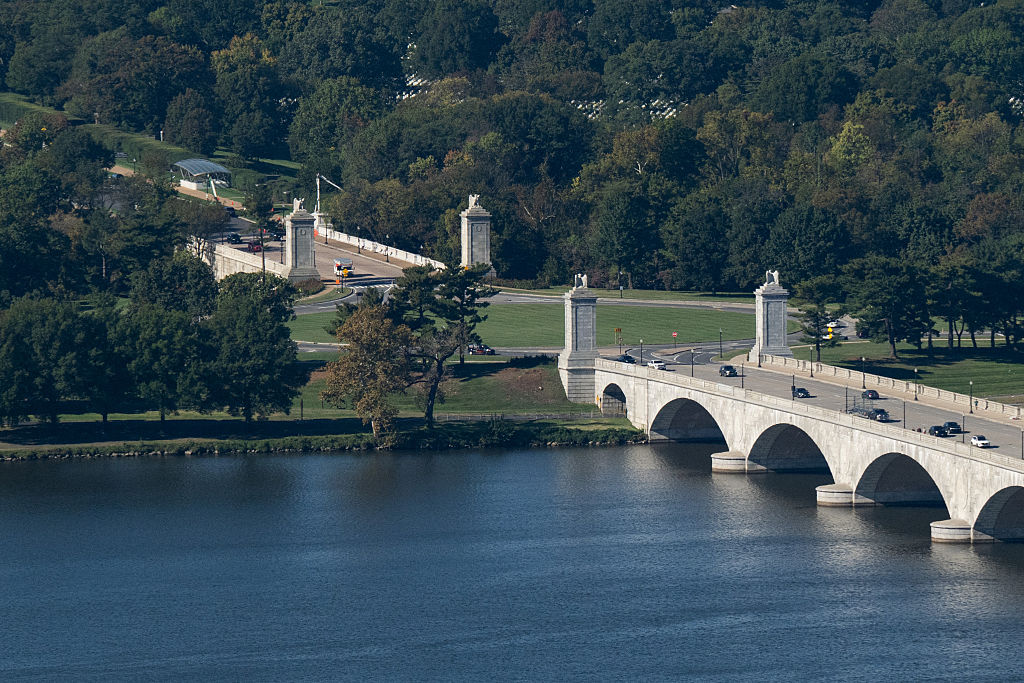
To counter these legal challenges and underscore the project’s urgency, the administration announced last month that it had agreed to a Defense Department request to integrate a military complex into the arch, featuring facilities for drones and snipers. In sworn declarations filed Oct. 28, Defense Secretary Pete Hegseth and Homeland Security Secretary Markwayne Mullin maintained that the structure is vital to national security. Hegseth called the arch “a generational national defense opportunity to mitigate these evolving threats.”
Federal review panels and interior officials are moving quickly to clear the remaining bureaucratic hurdles. The National Capital Planning Commission, a federal oversight panel with multiple Trump appointees, is scheduled to consider final site and building approvals on Nov. 5. The Interior Department is also expected to issue its final authorization and publish the required notices on the same day, clearing the path for immediate groundbreaking, according to statements made by Justice Department attorneys in court.
During a Friday hearing for the Lemmon case, U.S. District Judge Tanya Chutkan expressed skepticism regarding the administration’s accelerated timeline. “What’s the harm to the government to wait 3 or 4 months? What’s the rush to put this arch up?” Chutkan asked, noting the complexity of the legal questions involved. She stated she would review plaintiffs’ standing over the weekend and issue an expedited ruling.
Chutkan also questioned the administration’s newly adopted national security rationale, noting that the arch was originally announced to celebrate the country’s 250th anniversary. “This is the first time the government has proffered a national security aspect to this case,” she observed during the proceedings, highlighting a broader pattern in which the administration has invoked national security to defend policies ranging from offshore wind pauses to press restrictions and oil drilling exemptions.
Deputy Assistant Attorney General Robert Stander cited a Supreme Court decision from August allowing White House ballroom construction to proceed during ongoing litigation, arguing the legal principles are identical. Chutkan rejected that comparison, pointing to distinct public safety and traffic concerns raised by plaintiffs in the arch dispute.
The triumphal arch is one of several high-profile second-term projects advanced by Trump to reshape Washington, a list that includes the demolition of the White House East Wing for a new ballroom, a 15-month overhaul of the East Potomac golf course, and plans for the Kennedy Center. For now, the immediate focus remains on whether federal intervention will pause construction before work can begin in the coming days.