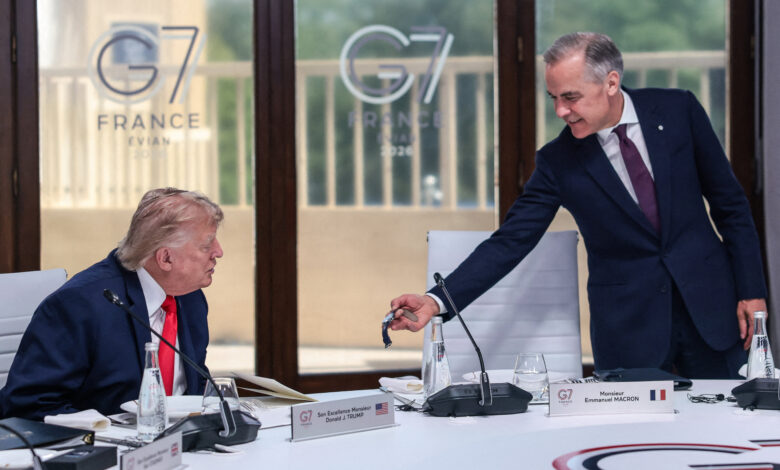
Washington and Ottawa have significantly increased the frequency of trade discussions over the past week, signaling a tentative thaw in a relationship that has been defined by friction since the summer. Despite the uptick in engagement, however, negotiators have yet to offer substantive concessions on the core issues—ranging from automotive tariffs to dairy market access—that have kept the two North American neighbors in a state of economic conflict.
The renewed contact follows an October 21 phone call between President Donald Trump and Canadian Prime Minister Mark Carney. Since that conversation, U.S. Commerce Secretary Howard Lutnick and Canadian Trade Minister Dominic LeBlanc have been in regular contact, according to people familiar with the discussions. While the engagement has been characterized as informal, it marks a notable shift in activity following the collapse of a preliminary trade agreement in August.
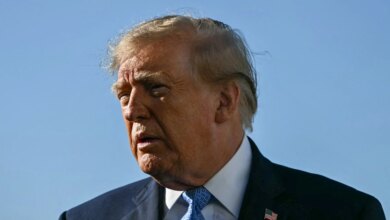
The rhetoric surrounding the talks remains sharply divided between the two capitals. During a rally in Michigan on Sunday, President Trump predicted that the trade spat would be settled “pretty soon,” a sentiment echoed by National Economic Council Director Kevin Hassett, who told reporters that the sides are “very close” to a resolution. Conversely, Prime Minister Carney has projected a more measured stance, describing the recent activity as “un petit intensification” while speaking to reporters in Ottawa.
For Carney, there is little immediate political incentive to bridge the gap before the upcoming U.S. midterm elections. The Prime Minister’s domestic approval ratings surged after he walked away from the negotiating table in August, positioning him as a leader capable of standing up to Washington. Furthermore, Carney is scheduled to host European Union leaders in Montreal for a summit intended to deepen trans-Atlantic ties, potentially creating an economic counterweight to the United States.
The primary sticking points remain unchanged from the previous round of failed negotiations. Canada is seeking a reduction in U.S. tariffs on steel, aluminum, and the automotive sector—particularly regarding heavy-duty trucks manufactured in Ontario. In exchange, the Trump administration has pushed for broader access to Canada’s highly protected dairy and alcohol markets. These disputes led to the implementation of 50% duties on approximately $20 billion worth of goods on both sides of the border earlier this year.
Inside the United States, the persistence of these tariffs has created significant political pressure for Republican candidates in border states where the economies are deeply integrated with Canada’s. Senator Susan Collins of Maine, as well as GOP Senate candidates Mike Rogers of Michigan and John Sununu of New Hampshire, have expressed opposition to the current trade restrictions. In Kansas, the agriculture industry’s exposure to the trade war has become a central issue in the race between Senator Roger Marshall and his Democratic challenger, Adam Hamilton.
Despite the political pressure, some U.S. industry leaders are lobbying the Commerce Department to maintain the status quo. Jesse Gary, President and CEO of Century Aluminum, argued that existing programs are effective and should remain in place, citing Secretary Lutnick’s understanding of domestic industrial needs.
Diplomatic officials on both sides have suggested that while a deal is likely the eventual outcome, a breakthrough may still be weeks or months away. Both Mark Wiseman, the Canadian Ambassador to the U.S., and Pete Hoekstra, the U.S. Ambassador to Canada, recently emphasized that the long-term relationship remains intact despite the current friction. Wiseman noted that both nations must take a longer timeline into account, observing that “neither of us is moving out of the neighborhood.”