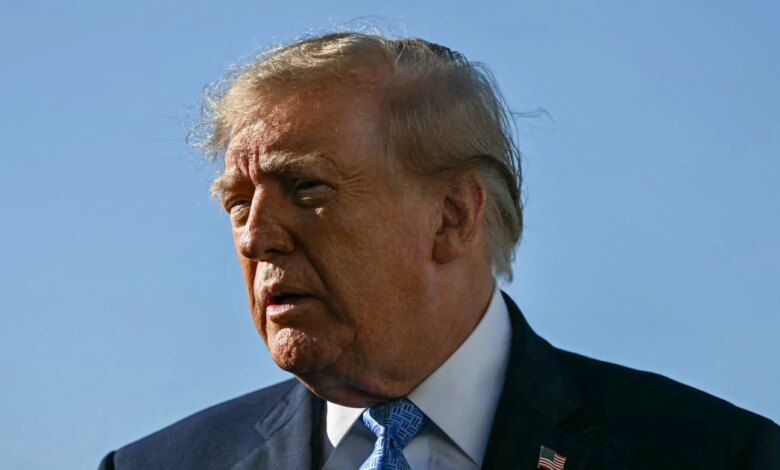
Donald Trump has announced a $1 million reward for information leading to the arrest and conviction of individuals involved in voter fraud, marking a significant escalation in his efforts to influence the integrity of the electoral process. The proposal, shared via his Truth Social platform on Monday, specifically targets those responsible for creating fraud in both upcoming and past elections. However, Trump did not specify the source of the funds for such a substantial bounty, and representatives referred inquiries back to the original social media post without further clarification.
While Trump has maintained a years-long narrative regarding widespread election irregularities, statistical evidence and independent research continue to show that such instances are exceedingly rare in U.S. elections. Data tracked by the Heritage Foundation, a conservative organization, identified approximately 1,600 incidents of voter fraud over a 40-year period. This figure represents a tiny fraction of the hundreds of millions of votes cast during that timeframe. Most documented cases are isolated and involve individuals casting ballots for deceased relatives or providing false information on mail-in applications, activities that are typically flagged by existing security protocols.
The reward offer coincides with a broader administrative push to reshape voter rolls and challenge state-level election management. Federal authorities have recently dedicated resources to identifying noncitizens on state voter lists, despite studies showing that noncitizen voting is statistically rare. In California, the Justice Department has filed suit against state officials in an attempt to force the segregation of mail-in ballots that the administration claims may have been distributed to potential noncitizens.
Legal intervention has also extended to specific races. In Alaska, the Justice Department initiated a lawsuit at Trump’s request to prevent the certification of the U.S. Senate race results if Republican Senator Dan Sullivan fails to secure a victory. These maneuvers reflect a strategy of utilizing the federal legal apparatus to challenge election outcomes and procedures in real-time.
The $1 million bounty is the latest in a series of high-dollar financial incentives proposed by Trump on the campaign trail. He recently unveiled a $25 million government fraud whistleblower program, stating that he would personally determine which participants are worthy of the prize. Additionally, Trump has promised $5,000 payments to Americans if the Republican Party maintains control of Congress. As with the voter fraud reward, the specific funding mechanisms for these $5,000 payments remain unverified.
Despite these aggressive efforts, the administration has faced repeated setbacks in the judicial system. Courts have blocked various attempts to implement sweeping changes to mail-in voting or to mandate documentary proof of citizenship as a prerequisite for voting. These rulings have served as a consistent barrier to the administration’s efforts to alter established voting requirements through executive or departmental action.