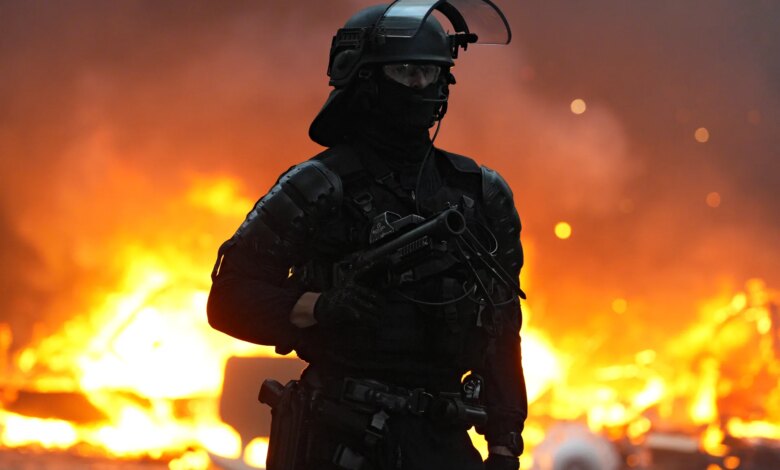
United Nations human rights experts have voiced deep concern over the excessive use of force deployed by French authorities to break up nationwide student protests, pointing to widespread arrests and severe injuries among minors.
In a statement released on Wednesday, four independent experts mandated by the UN Human Rights Council criticized the scope of detentions. They noted that the scale of arrests affecting several thousand individuals—predominantly minors—appears disproportionate and actively deters citizens from exercising their fundamental freedoms of peaceful assembly and expression.
The panel of experts includes Gina Romero, special rapporteur on the freedom of peaceful assembly, and Farida Shaheed, the UN expert on cultural rights. While acknowledging that authorities launched initiatives in October to facilitate dialogue and respond to student demands, the rapporteurs cautioned that prioritizing a security-driven response has sidelined the underlying grievances driving the mobilization.
France has experienced continuous student demonstrations since mid-September. The unrest originated in high schools, where students protested deteriorating infrastructure, overcrowded classrooms, and frequent teacher absences. The movement subsequently expanded into nationwide demonstrations against the rising cost of living, which on the margins gave way to localized riots and looting.

The demonstrations have triggered massive security deployments. According to figures from France’s Interior Ministry, the government mobilized 70,000 security personnel during Saturday demonstrations that drew 410,000 participants nationwide, resulting in 1,000 arrests. A week prior, authorities recorded 2,700 arrests alongside widespread vandalism of public buildings and looting of hundreds of businesses. Interior Minister Laurent Nunez vowed extreme vigilance and firmness to suppress further unrest.
Protest organizers trace the friction to deeper economic grievances. Alice Cohen-Morzadec, a spokesperson for the Union Etudiante, described the movement as a broader expression of resentment against President Emmanuel Macron and government policies that participants argue have undermined living standards and rights. Meanwhile, analysts note that the administration faces significant hurdles in addressing student demands due to a severe fiscal crisis and planned budget cuts that have reduced education funding.
The UN statement also highlighted physical casualties resulting from law enforcement operations. In the northern city of Lille, a teenager lost a hand when a grenade detonated during clashes between school protesters and police.
Characterizing such harm as unacceptable and unjustifiable, the UN rapporteurs reiterated previous calls for French authorities to conduct a comprehensive review of their policing tactics to safeguard peaceful expression and facilitate the resolution of social tensions. The experts confirmed they remain in direct contact with French authorities regarding the situation.