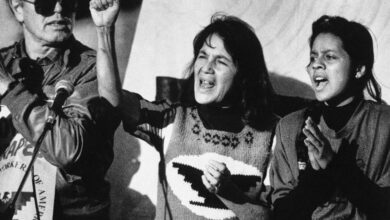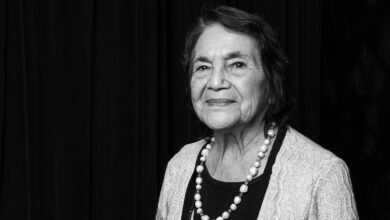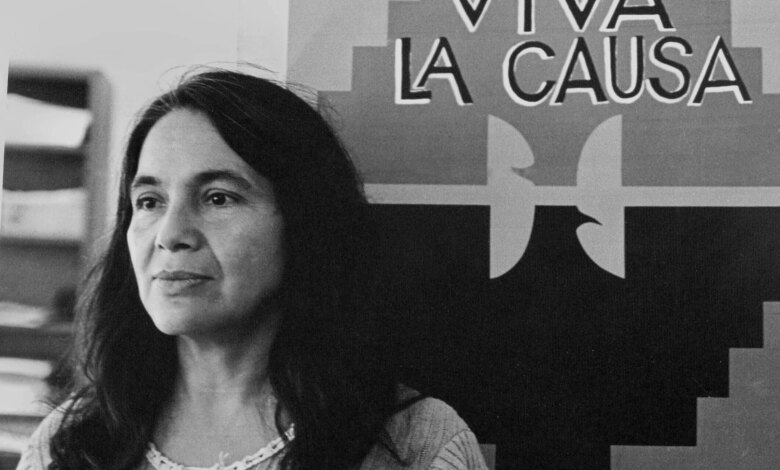
Dolores Huerta, the pioneering labor organizer and civil rights icon who co-founded the United Farm Workers and coined the rallying cry “Sí, se puede,” died Wednesday at the age of 96. Her family announced her passing on Instagram, stating that she died from cancer.
“We are deeply saddened to announce that our beloved mother, Dolores Huerta, has passed away today at the age of 96,” her family wrote in a statement. “As you can imagine, this is an incredibly difficult time for us, and we ask for privacy as we grieve this incredible loss to our family. We know that many of you around the world share in our mourning, and we will be following up on plans to recognize and celebrate her incredible life and legacy.”
Born in the mining town of Dawson, New Mexico, approximately 140 miles northeast of Santa Fe, Huerta was raised around labor activism before moving to Stockton, California, as a child. A 2018 PBS documentary, “Dolores,” detailed her transition from a married woman in a middle-class home to a union activist who left a comfortable life behind to pursue the fight for equality.
Alongside fellow activists César Chávez and Gilbert Padilla, Huerta helped organize workers subjected to poor conditions on farms and co-founded the National Farm Workers Association in 1962, which later became the United Farm Workers. Together, they led historic strikes and boycotts to expand rights for Hispanic Americans. Huerta also stood beside Senator Robert F. Kennedy moments before he was fatally shot following his 1968 California primary win, having worked to mobilize Mexican American voters in his support. Over the decades, she forged close bonds with civil rights figures, including the widows of RFK and Martin Luther King Jr., Ethel Kennedy and Coretta Scott King.
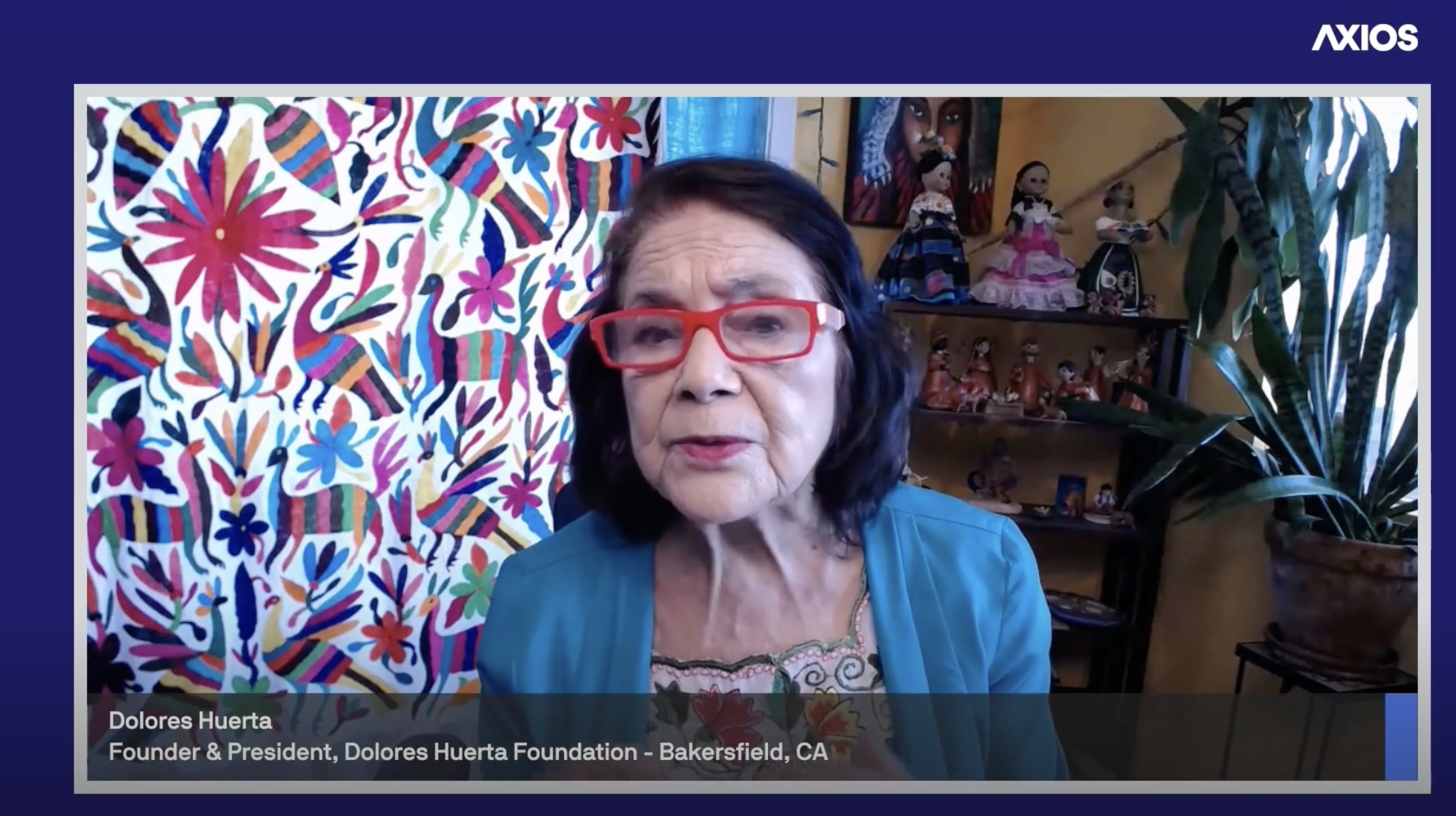
In her later years, Huerta became a powerful political kingmaker, sought out by Democratic candidates running for offices ranging from the presidency to local municipal posts. She continued speaking publicly and attending rallies well into her 90s.
In 2012, President Barack Obama presented Huerta with the Presidential Medal of Freedom, the nation’s highest civilian honor. During the ceremony, Obama acknowledged that his 2008 presidential campaign slogan, “Yes, we can,” was adapted from her famous rallying cry.
Later in life, Huerta spoke openly about the sexism she faced within the labor movement despite becoming a Chicana feminist icon celebrated in murals, songs, and on apparel. Earlier this year, following an investigative report detailing allegations that Chávez had sexually abused multiple women and girls during his leadership of the UFW, Huerta revealed that she had been raped by Chávez decades prior. She became the most prominent figure to accuse him of misconduct, disclosing that she carried the secret for decades because building the labor movement was her life’s work. She also revealed that she became pregnant after the encounters and arranged for the children to be raised by other families.