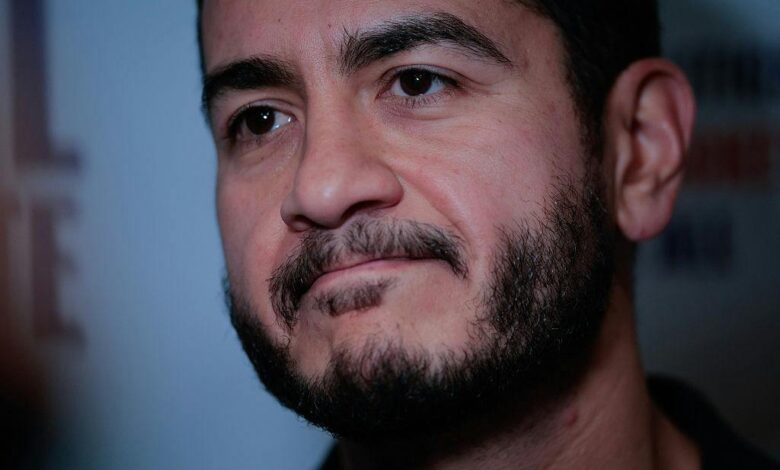
Dr. Mohammed El-Sayed, a Michigan academic and imam who is the father of Abdul El-Sayed, currently serves on the board of Life for Relief and Development, an international humanitarian charity with a history of federal scrutiny. According to reports, the elder El-Sayed has maintained an affiliation with the organization since at least 2020. Furthermore, records from prosecutors indicate that at least two of the group’s current leaders appeared in a 1992 directory of U.S. Muslim Brotherhood figures. Abdul El-Sayed’s father-in-law, Jukaku Tayeb, has also previously served on the charity’s board.
While Life for Relief and Development promotes itself as a top-rated global relief organization assisting populations affected by natural disasters and conflicts, its history includes major federal investigations and raids. In 2004, following the ouster of Saddam Hussein, U.S. military forces raided the group’s offices in Baghdad, confiscating files and computer hardware. A separate federal raid targeted the charity’s headquarters in September 2006. Although federal officials stated at the time that the operation was not tied to terrorism, members of the Joint Terrorism Task Force participated in the search.
Legal fallout continued when Muthanna al-Hanooti, who served as the charity’s public relations coordinator, was charged in 2008 with operating as an unregistered agent for the Iraqi government, breaching economic sanctions, and making false statements to investigators. Al-Hanooti later entered a guilty plea for violating the International Emergency Economic Powers Act. Seized documents from the inquiries also linked the group to correspondence involving the Islamic African Relief Agency, a network designated by the U.S. Treasury Department in 2004 over alleged support for Osama bin Laden, Al Qaeda, and the Taliban. Public records indicate that Abdul El-Sayed’s mother, Fatten Fathy Elkomy, previously worked for the U.S. branch of that designated agency.
The federal investigations culminated in 2015 when Life for Relief and Development finalized a six-figure financial settlement with the United States government. According to government findings released with the settlement, the charity conspired to transfer funds from the United States to Iraq through Amman, Jordan, between September 2002 and March 19, 2003, in willful violation of economic sanctions. The report stated that the organization proceeded despite written warnings from the Office of Foreign Assets Control and that top leadership directed the transfers until U.S. military bombing campaigns in Iraq halted the transactions. To resolve the dispute, the charity remitted $780,000 to the Office of Foreign Assets Control.