Three years of brutal civil war between the Sudanese Armed Forces and the paramilitary Rapid Support Forces have pushed Sudan into an economic spiral, leaving millions facing severe food shortages as the national currency collapses.
Since May, the Sudanese pound has lost more than half its value, driving prices upward and straining local volunteers and international aid groups. Before the conflict began, the currency traded at 600 to the dollar. By May 2026, the black-market rate reached approximately 4,000 pounds per dollar, and it has since surpassed 10,000.
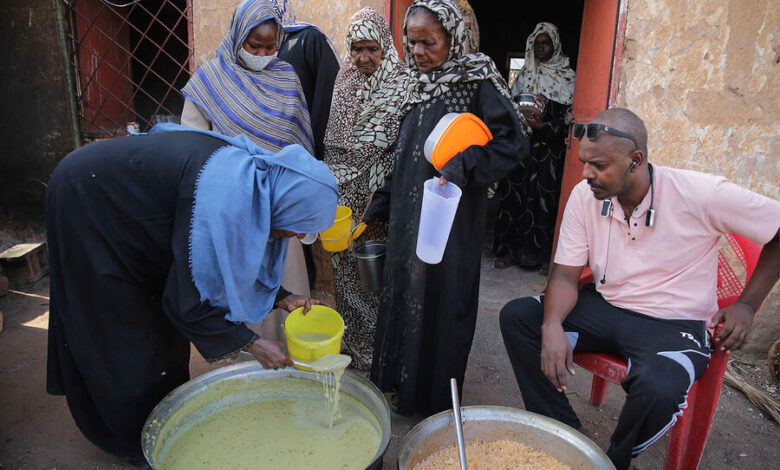
In Khartoum, volunteers with grassroots networks known as Emergency Response Rooms report severe challenges in feeding residents. A.M., a volunteer who spoke on the condition of anonymity due to threats against relief workers, said that community kitchens have had to drastically reduce portions. Where volunteers once served four or five spoonfuls of stew per person, they now provide only a couple. Because the currency fluctuates daily, many traders refuse to sell food, and the supplies that remain are priced beyond the reach of local aid groups.
The economic unraveling stems from the collapse of vital export sectors, disrupted seasonal harvests, and widespread resource plunder. Both military factions have looted and smuggled vast quantities of gold, which accounted for 70% of Sudan’s export revenues before the war. According to United Nations experts and analysts, more than half of the annual gold production is smuggled out of the country, bypassing official coffers. The de facto SAF-backed government uses its share of the proceeds to fund salaries and maintain the loyalty of allied leaders, while the RSF controls western gold-producing regions and routes the commodity through neighboring Chad and South Sudan to finance its operations. Neither military leadership responded to inquiries regarding the gold trade.
Civilians bear the brunt of the crisis. Many residents who fled when the RSF captured Khartoum have returned following the SAF’s retaking of the city in March 2025, only to find their homes in ruins without running water or electricity. In December 2025, global relief groups estimated that 97% of households in Khartoum were coping with food shortages. A.M. noted a 10% increase in individuals seeking food assistance since May, with neighborhood groups in some areas reporting surges of up to 40% and several southern kitchens shutting down entirely.
Gada, a Khartoum resident who stayed during the RSF occupation and withheld her surname out of fear of reprisal, expressed concern that mounting hunger could restore lawlessness. People are increasingly angry and the city is growing chaotic, she noted.
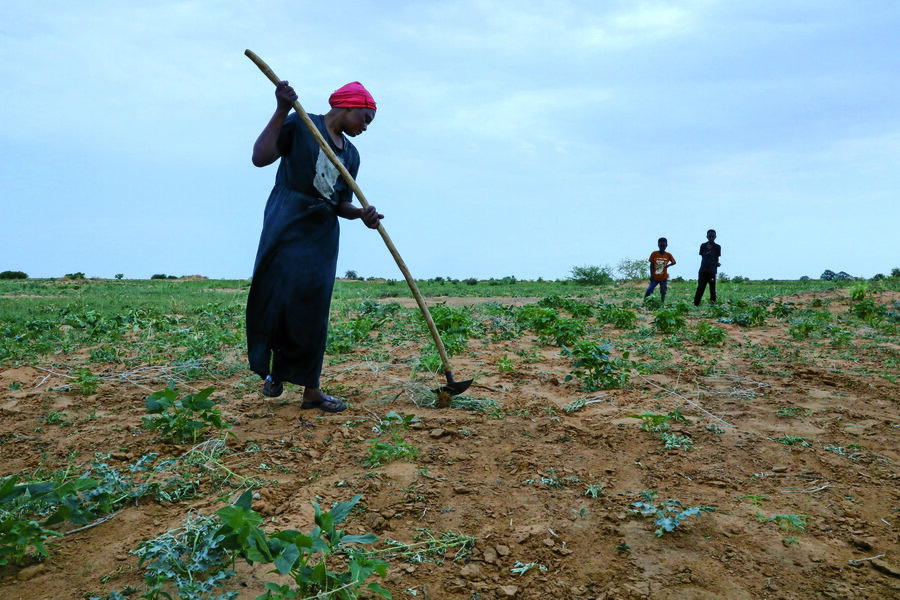
International humanitarian efforts face severe funding shortfalls. The United Nations has struggled to bridge the gap left by the withdrawal of American aid, leaving its Sudan Humanitarian Need and Response Plan only 46.5% funded. Denise Brown, the U.N. resident and humanitarian coordinator in Sudan, highlighted the widening gap between growing needs and shrinking donor contributions. U.N. agencies are prioritizing the Kordofan and Darfur regions, where severe drought is compounding the hunger crisis. A recent U.N. survey of two displacement camps in South Darfur found that approximately one-third of children were acutely malnourished.
Thirty-one Western countries issued a joint statement calling for urgent action to prevent the hunger crisis from escalating, emphasizing that there is no time to lose in saving lives.