Brazil’s Lula Secures Historic Fourth Presidential Term After Tense Runoff Against Flavio Bolsonaro

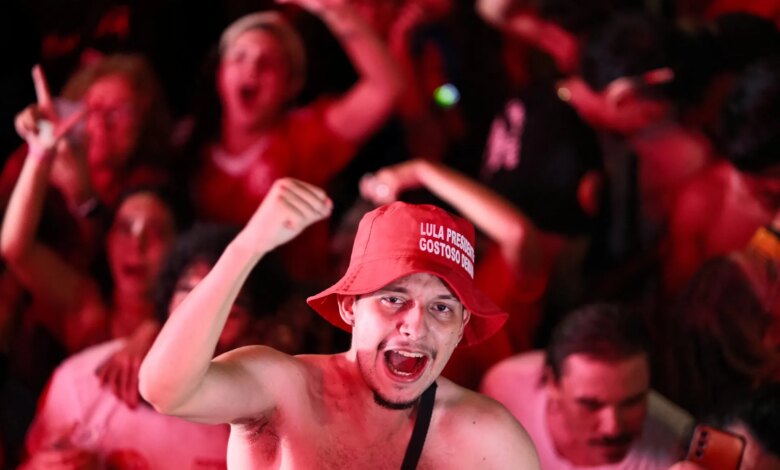
Luiz Inacio Lula da Silva has secured an unprecedented political comeback in Brazil, winning a historic fourth non-consecutive presidential term after overcoming a first-round defeat to right-wing Senator Flavio Bolsonaro. The 80-year-old incumbent captured over 51 percent of the vote compared to 48 percent for Bolsonaro, according to electoral authorities who declared the winner after 98.76 percent of ballots were counted.
Sunday’s runoff capped a volatile election cycle that kept the nation on edge. Just three weeks prior, Bolsonaro surprised observers by leading the initial October 4 vote with 47.03 percent against Lula’s 45.16 percent, creating a 2.2-million-vote margin. Lula spent the final weeks of the campaign rallying voters who had abstained in the first round and appealing to citizens concerned about the cost of living and his signature social programs, including a late-campaign promise to pursue free weekend public transportation.
Voting day was complicated by last-minute logistical hurdles and disputes. Both campaigns petitioned for extended hours as the election entered its final stretch. Lula’s camp accused local authorities of deliberately cutting public transport services in multiple cities to hinder lower-income voters, leading to a regional court ordering the arrest of Salvador’s transport secretary over alleged transport disruptions in five states. Meanwhile, Bolsonaro’s campaign requested more time for voters affected by heavy rain and flooding. Regional electoral courts also reported that 349 polling locations in Minas Gerais lost electricity, though voting machines maintained operation on backup batteries.
In response to the petitions, Supreme Court Justice Cristiano Zanin ordered polling stations to remain open for an additional two hours until 7 p.m. Brasilia time, though the directive arrived after some stations had already closed their electronic voting machines. Zanin subsequently clarified that already-closed stations would remain shut, creating confusion that left some voters turned away despite the extension.
Following the results, Senator Bolsonaro announced plans to annul the vote, accusing Justice Zanin of judicial malfeasance for altering rules mid-game and pointing to Zanin’s history as Lula’s personal lawyer. The defeat also blocked Bolsonaro’s bid to return his family to the presidency following the legal troubles of his jailed father, former President Jair Bolsonaro. The prospective legal challenge received backing from international figures, including Donald Trump Jr., who criticized the voting hour extensions on social media.
Analysts noted that higher voter turnout likely aided Lula’s turnaround. An estimated 33.4 million Brazilians abstained during the first round, representing roughly 21 percent of the electorate and marking the highest abstention rate in a general election since 1998. Lula ultimately secured his lead as results arrived from his strongholds in the country’s northeast, offsetting Bolsonaro’s solid bases in the south, southeast, and centre-west.
The outcome complicates regional dynamics, particularly regarding United States influence in Latin America. The Bolsonaro family has maintained close ties with Washington, and reports indicated that US State Department officials had pushed for sanctions to weaken Lula. While Lula campaigned on defending Brazilian sovereignty and resisting foreign interference—citing US tariff campaigns and social media disputes—he celebrated his victory on Sunday night by praising his supporters.
“The election was a defeat for denialism,” Lula said in his victory address. “It was a defeat for lies.”