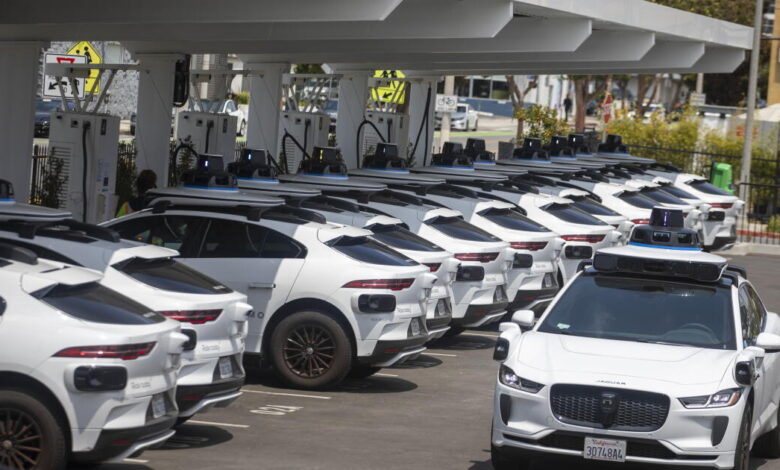
Electric vehicle owners in Southern California are facing a new competitive hurdle at public charging stations: a growing fleet of driverless robotaxis. In San Diego, where Waymo officially launched its autonomous service in September following months of testing, local motorists report that scarce fast-charging stalls are frequently tied up by driverless vehicles. Drivers have described waiting up to an hour to plug in their personal cars as automated fleets congregate at public charging hubs.
José Manjarrés, a San Diego resident who drives a Ford Mustang Mach-E, recalled a recent instance where he had to wait an hour because three out of four charging spots were occupied by Waymo vehicles. “It becomes really annoying when you see three Waymos in a charging station with four spots,” Manjarrés said, adding that the dynamic fosters an antagonistic attitude toward the technology. Another local resident, 24-year-old Finn Sadler, said he frequently waits more than 30 minutes to charge his Audi E-tron, noting that long lines have become common as the vehicles arrive in large numbers.
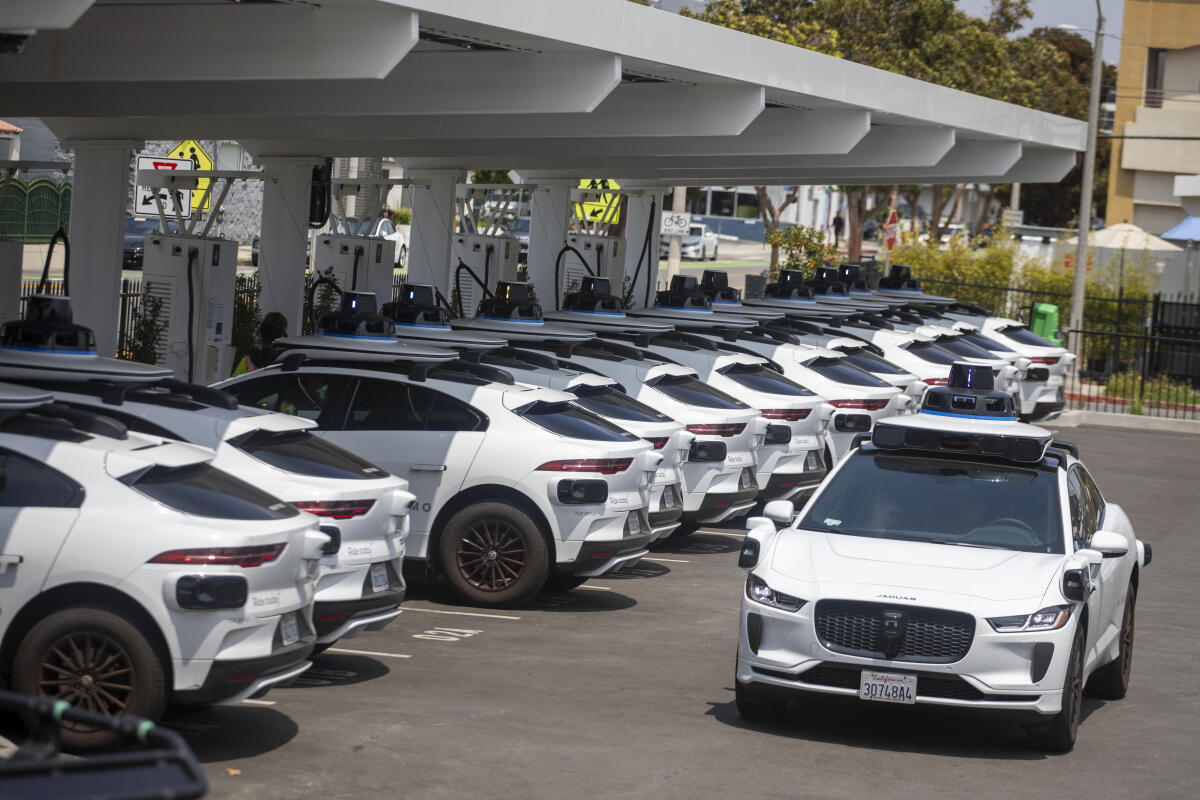
Private charging networks operating in the region find themselves navigating the influx. Electrify America, which operates 13 stations in San Diego and more than 300 across California, stated that it has no official partnership with Waymo. Meanwhile, EVgo—which has collaborated with autonomous vehicle partners since 2020 and operated about 120 dedicated stalls for them earlier this year—confirmed that its San Diego locations are public sites available to all motorists, including robotaxis.
A Waymo spokesperson explained that the company posts human attendants at certain public stations to assist with plugging in vehicles and attempts to prevent its cars from clustering. However, the spokesperson acknowledged that managing vehicle distribution remains challenging while public and private fast-charging infrastructure continues to expand. “As our operations in a city mature, we establish our own charging infrastructure and prioritize using dedicated charging,” the spokesperson said. “If a vehicle is being driven or supervised by a human specialist, they might also choose to charge on the road while taking their break.”

The friction at charging stations compounds existing skepticism among municipal officials in San Diego. In January, after Waymo announced its regional expansion plans, a Metropolitan Transit System advisory committee chaired by Councilmember Sean Elo-Rivera voted to oppose autonomous vehicle expansion and urged state authorities to grant communities local decision-making power. On Sept. 14, the San Diego City Council voted unanimously for a resolution asking Gov. Gavin Newsom and state lawmakers to give cities greater oversight over how driverless vehicles are deployed and monitored. The resolution also calls for keeping autonomous vehicles away from San Diego International Airport and placing charging hubs away from residential homes, schools, and emergency services.
Elo-Rivera argued that autonomous fleets should not displace human residents who rely on public charging infrastructure for work and family routines, particularly those who cannot charge at home. “Those drivers are now competing with robots that can hover,” he said. A city spokesperson noted that San Diego is actively expanding its public charging network with plans to add chargers at more than 50 sites over the next 18 months, including libraries and recreation centers. The spokesperson clarified that while these new resources are intended for residents and visitors, autonomous vehicles will not be barred from public stations and will be subject to standard fees.
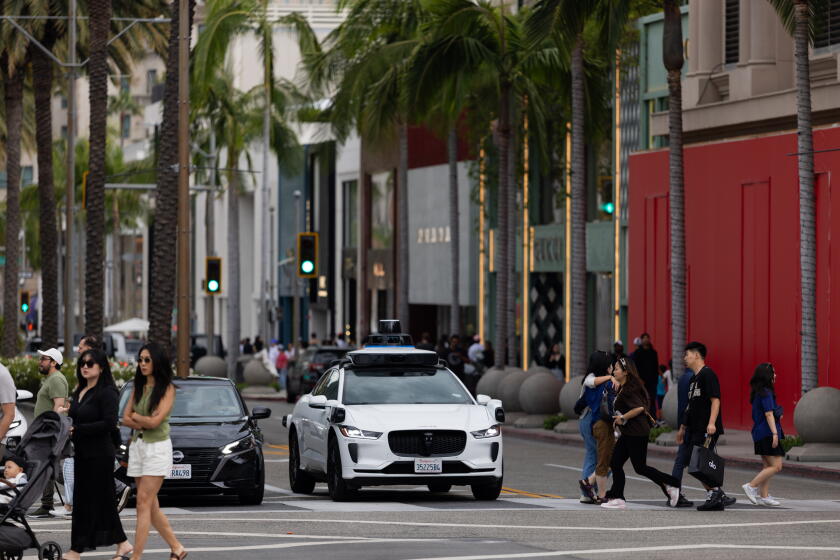
Tensions over autonomous vehicle infrastructure extend beyond San Diego. In Santa Monica, neighborhood complaints regarding noise from Waymo charging lots led the City Council last year to order the company’s charging provider to halt overnight operations. Similar encounters have been documented on social media in other states, including photos of Waymo vehicles utilizing public fast chargers in Nashville and St. Louis. In L.A. County, the City of Commerce announced plans for increased overnight monitoring of self-driving vehicles parked in residential areas following resident concerns. Meanwhile, Los Angeles World Airports indicated that while discussions with Waymo are ongoing, no timeline has been established to permit autonomous vehicles to conduct pickups or drop-offs at Los Angeles International Airport.