Federal authorities have arrested multiple foreign nationals in connection with a sprawling “ghost student” conspiracy that exploits federal student aid programs to siphon hundreds of thousands of dollars into overseas accounts.
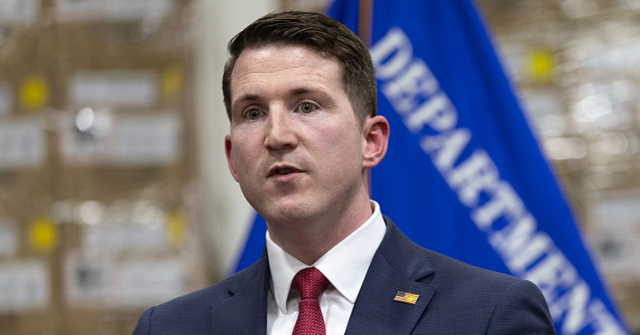
Assistant Attorney General Colin McDonald announced the crackdown during a Thursday news conference, describing the operation as an unprecedented criminal enterprise. “These are not isolated errors,” McDonald said. “This is organized fraud at scale.”
According to the Department of Justice, criminal syndicates have been stealing the personal identities of Americans who never applied for higher education. The fraudsters use this purloined information to enroll fictitious students in colleges across the United States. Once accepted, the Department of Education disburses federal financial aid directly to the institutions. After tuition and mandatory fees are deducted, the remaining credit balances are deposited into bank accounts controlled by the conspirators.
“And in a flash, the money vanishes, often overseas to places like Kenya,” McDonald said. The operation has already triggered 40 active cases spanning 26 field offices, resulting in the seizure of more than $750,000 in laundered cryptocurrency tied to networks in Kenya, where the DOJ maintains personnel tasked with tracing illicit funds.
The methods employed by the syndicates have grown increasingly complex. Perpetrators utilize advanced artificial intelligence tools to complete college applications and coursework, maintaining the illusion that the non-existent students are actively participating. Some operations even simulate a digital presence in online classrooms to deceive academic institutions, aiming to sustain the fraud across multiple semesters.
Beyond the direct theft of taxpayer funds, officials warned that the scams are inflicting severe collateral damage on the credit histories and financial security of unsuspecting citizens. McDonald cited the case of a young American who entered the workforce directly after high school instead of attending college, only to discover his identity attached to thousands of dollars in student loans from an institution located thousands of miles away.
“His credit is now at risk and his name is on the bill,” McDonald said. Warning conspirators across domestic and international borders, he added, “If you steal American identities, if you steal taxpayer dollars, if you exploit programs meant to help students build their future, we are resolved to find you and prosecute you. Whether you’re in Nebraska, New Jersey, Virginia, or Nairobi, we will pursue you and bring you to justice.”
Under Secretary of Education Nicholas Kent also addressed the briefing, criticizing previous oversight practices. He asserted that incoming officials discovered that key fraud detection mechanisms had been deactivated, leaving federal assistance vulnerable.
“When we walked in the door last January, we were extremely troubled to find that the Biden administration had turned off nearly every fraud detection measure, allowing critical funds to become the target of large-scale fraud,” Kent said, comparing the situation to disabling security controls at a major commercial bank within a federal student loan portfolio valued at roughly $1.7 trillion.